

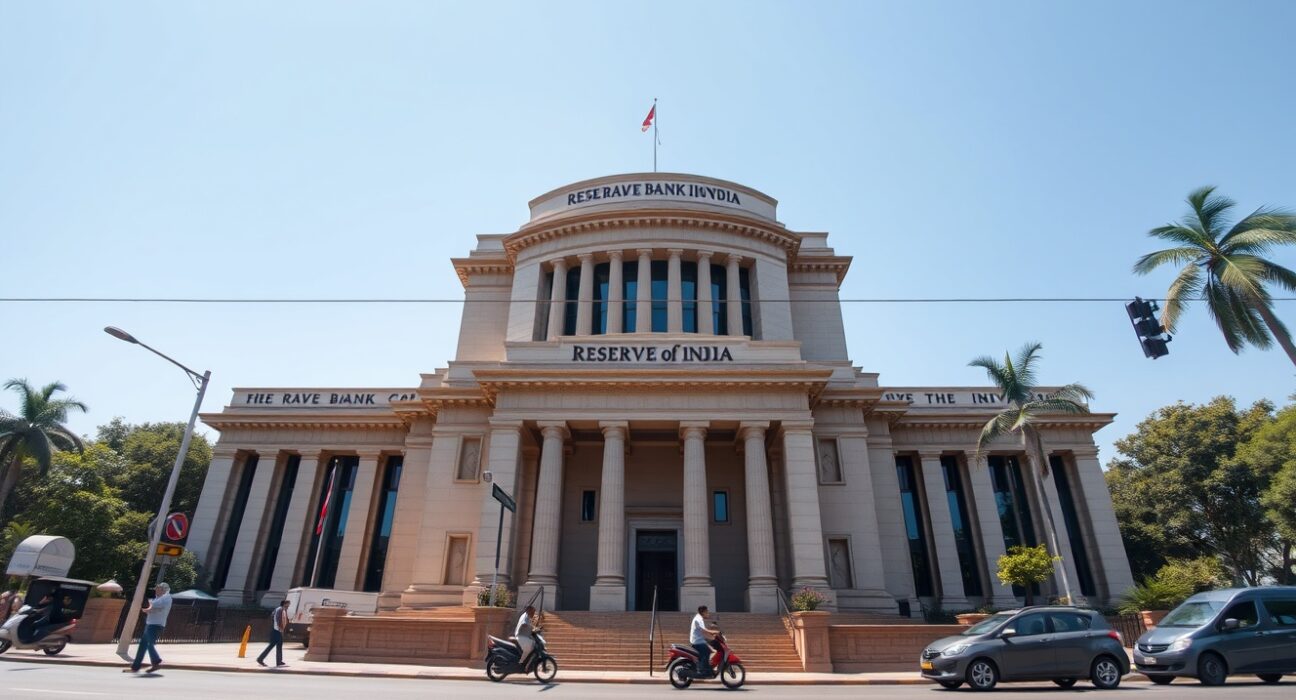
India’s foreign exchange reserves increased to $682.35 billion as of July 20, up from $676.24 billion in the previous week, according to the latest data from the Reserve Bank of India (RBI). This rise of approximately $6.11 billion marks a notable recovery after a period of fluctuation, reflecting both market interventions and valuation gains.
What Drove the Weekly Increase?
The weekly gain in India’s forex reserves was primarily driven by a rise in foreign currency assets (FCAs), which constitute the largest component of the reserves. FCAs increased by about $5.4 billion to $597.9 billion during the week. Additionally, gold reserves, a key component, rose by roughly $300 million to $61.5 billion, supported by higher global gold prices. The RBI’s active management of the currency market, including selling dollars to prevent sharp rupee depreciation, also played a role in the overall reserve levels.
How Does This Compare to Recent Trends?
India’s forex reserves have been on a roller-coaster over the past year. After reaching an all-time high of $704.89 billion in September 2024, the reserves declined steadily due to RBI interventions to support the rupee amid a strengthening US dollar and volatile global markets. The reserves touched a recent low of $622.47 billion in February 2025 before beginning a gradual recovery. The latest figure of $682.35 billion marks a significant rebound, though it remains below the peak. This trend reflects the RBI’s strategy of building a robust buffer against external shocks while managing currency volatility.
Why This Matters for the Economy
Healthy forex reserves are crucial for India’s economic stability. They provide a cushion against external shocks, such as sudden capital outflows or global commodity price spikes, and help maintain investor confidence. The current level is sufficient to cover about 11 months of imports, offering a strong safety net. For businesses and importers, stable reserves mean lower currency risk, while for global investors, it signals India’s ability to meet its external obligations. The RBI’s prudent management of reserves continues to be a key pillar of the country’s macroeconomic resilience.
Conclusion
India’s forex reserves rose to $682.35 billion as of July 20, reflecting a positive trend after months of decline. The increase, driven by valuation gains and RBI actions, underscores the central bank’s commitment to maintaining stability. While the reserves are still below their peak, the upward trajectory is a reassuring sign for the economy, offering a buffer against global uncertainties and supporting the rupee’s stability.
FAQs
Q1: What are foreign exchange reserves?
Foreign exchange reserves are assets held by a central bank in foreign currencies, gold, and other reserve assets. They are used to back liabilities and influence monetary policy, and they provide a cushion against economic shocks.
Q2: How does the RBI use forex reserves?
The RBI uses forex reserves to manage the rupee’s exchange rate, intervene in currency markets to prevent excessive volatility, and ensure adequate liquidity for international trade and debt obligations.
Q3: Why did the reserves decline earlier this year?
The decline earlier in 2025 was primarily due to the RBI’s interventions to support the rupee against a strengthening US dollar, coupled with higher global oil prices and outflows from foreign portfolio investors.
Disclaimer: The information provided is not trading advice, Bitcoinworld.co.in holds no liability for any investments made based on the information provided on this page. We strongly recommend independent research and/or consultation with a qualified professional before making any investment decisions.
