

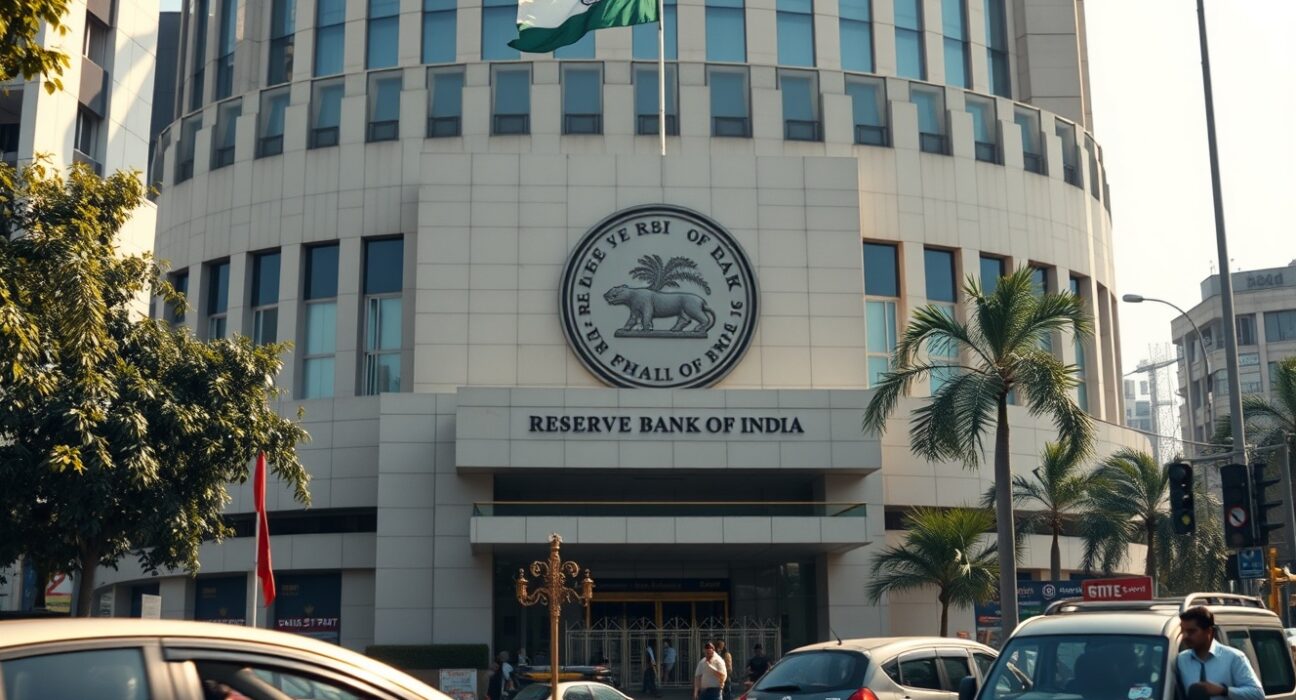
Standard Chartered has issued a warning that elevated consumer price index (CPI) risks in India could force the Reserve Bank of India (RBI) to raise interest rates during the 2026-27 fiscal year (FY27). The call comes amid persistent food inflation pressures and a firming domestic demand outlook that complicates the central bank’s policy path.
Standard Chartered’s Inflation Warning
In a research note released this week, Standard Chartered economists highlighted that India’s CPI inflation has remained stubbornly above the RBI’s medium-term target of 4%, driven largely by volatile food prices and core services inflation. The bank projects that average CPI inflation for FY26 will hover near 4.8%, before edging higher in FY27 due to base effects and potential demand-side pressures.
The note specifically points to the risk that the RBI’s Monetary Policy Committee (MPC) may need to deliver a rate hike of 25 basis points in early FY27 if inflation does not show a sustained decline toward the target. Standard Chartered currently expects the repo rate to remain unchanged at 6.50% through the remainder of FY26, but sees the balance of risks tilted toward tightening.
RBI’s Policy Dilemma
The RBI has held the repo rate steady since February 2023, maintaining a status quo despite elevated inflation, as it prioritizes supporting economic growth. However, the central bank’s stance remains ‘withdrawal of accommodation,’ signaling that the next move is more likely to be a hike than a cut.
Governor Shaktikanta Das has repeatedly emphasized the need to see durable disinflation before any policy easing. With core inflation showing stickiness and food inflation remaining susceptible to weather shocks, the MPC faces a challenging trade-off between growth and price stability.
Market Implications
If Standard Chartered’s call materializes, it would mark the first rate hike since the current tightening cycle ended in early 2023. Bond markets have already priced in some tightening risk, with the 10-year government bond yield rising from 6.80% to 7.10% over the past quarter. A rate hike in FY27 would likely push yields higher, raising borrowing costs for the government and corporates.
For equity markets, a rate hike could dampen sentiment in interest-rate-sensitive sectors such as banking, real estate, and automobiles. However, if the hike is seen as a preemptive move to anchor inflation expectations, markets may view it as a necessary step to sustain long-term economic stability.
Conclusion
Standard Chartered’s rate hike call for FY27 underscores the persistent inflation challenge facing the Indian economy. While the RBI is expected to maintain its current stance for now, the path ahead depends heavily on food price trends, global commodity prices, and domestic demand dynamics. Investors and businesses should prepare for the possibility of tighter monetary conditions in the coming fiscal year.
FAQs
Q1: Why is Standard Chartered predicting a rate hike for India in FY27?
A1: The bank cites higher CPI inflation risks, particularly from persistent food inflation and core services inflation, which may force the RBI to tighten policy to bring inflation back toward its 4% target.
Q2: What is the current repo rate in India?
A2: The repo rate is currently 6.50%, where it has remained since February 2023, following a series of rate hikes totaling 250 basis points.
Q3: How would a rate hike in FY27 affect Indian markets?
A3: A rate hike would likely push bond yields higher, increase borrowing costs, and could negatively impact interest-rate-sensitive sectors like banking and real estate, though it may help anchor inflation expectations over the long term.
Disclaimer: The information provided is not trading advice, Bitcoinworld.co.in holds no liability for any investments made based on the information provided on this page. We strongly recommend independent research and/or consultation with a qualified professional before making any investment decisions.
