

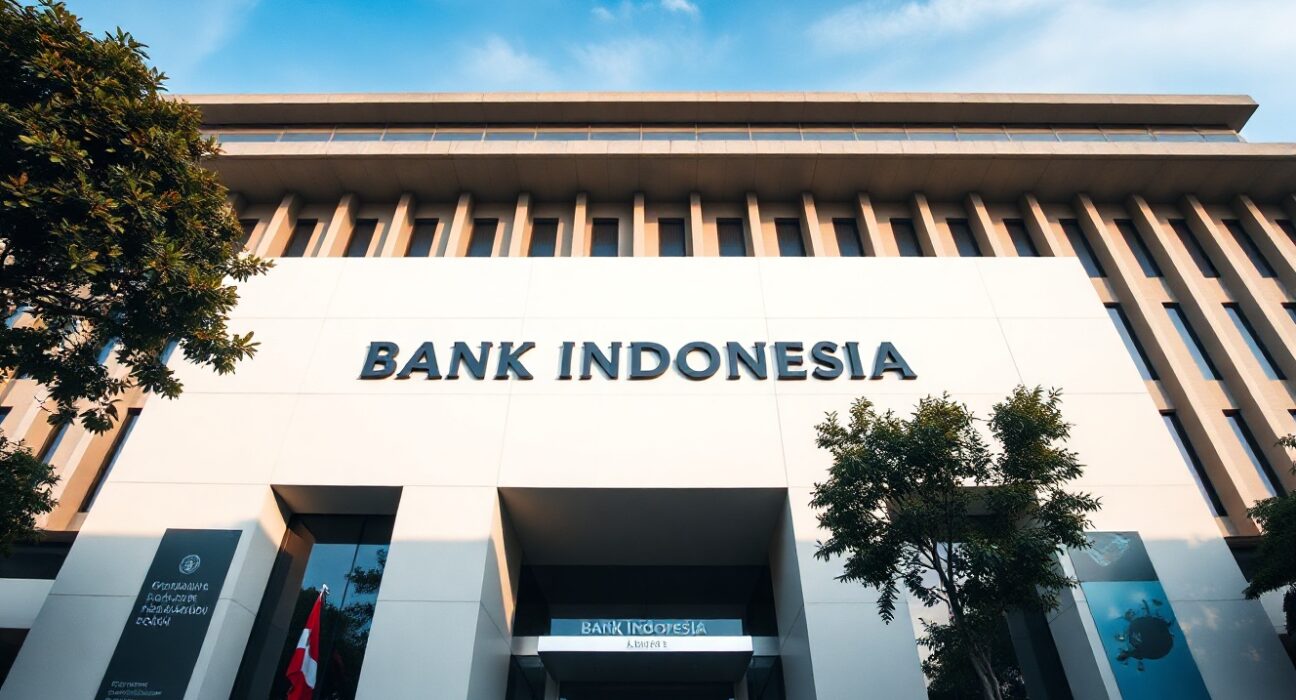
Indonesia’s core inflation rate rose 2.76% year-on-year in July, slightly below market expectations of 2.8%, according to data released by Statistics Indonesia (BPS) on Monday. The figure, which excludes volatile food and fuel prices, remains well within Bank Indonesia’s (BI) target range of 2.5% to 3.5% for the year.
What the Data Shows
The July reading marks a modest slowdown from June’s 2.82% annual increase, suggesting that underlying price pressures in Southeast Asia’s largest economy are easing. On a monthly basis, core inflation was flat, with a 0.02% decline, reflecting subdued demand in the economy.
Headline inflation, meanwhile, stood at 2.13% year-on-year in July, also below the central bank’s target, driven by lower food and energy costs. This mixed picture gives policymakers room to maintain their current monetary stance.
Implications for Bank Indonesia
The below-forecast core inflation reading supports the case for Bank Indonesia to keep its benchmark interest rate unchanged at 6.25% in its upcoming policy meeting in August. The central bank has maintained a hawkish bias to support the rupiah, which has faced pressure from global dollar strength and geopolitical tensions.
Analysts suggest that with inflation under control, BI can focus on currency stability and economic growth, especially as the government pushes for higher investment. However, any sharp depreciation of the rupiah could reignite imported inflation, forcing BI to act.
Market and Consumer Impact
For consumers, stable core inflation means that the cost of non-food goods and services, such as housing, health, and education, is rising at a manageable pace. This supports purchasing power, which has been a concern for households amid sluggish wage growth.
For markets, the data reinforces expectations of a steady policy rate, which is generally positive for bond prices and the rupiah. Investors will now focus on BI’s forward guidance for any hints of a rate cut later this year, particularly if inflation remains contained and the rupiah stabilizes.
Conclusion
Indonesia’s July core inflation, at 2.76% year-on-year, came in slightly below expectations, signaling that underlying price pressures remain subdued. This development gives Bank Indonesia room to hold rates steady and prioritize currency stability. With inflation comfortably within target, the central bank’s next moves will likely be guided by external factors, especially the rupiah’s performance and global commodity prices.
FAQs
Q1: What is core inflation and why does it matter?
Core inflation excludes volatile items like food and energy, providing a clearer picture of underlying price trends. It is a key metric for central banks when setting interest rates, as it indicates demand-side pressures in the economy.
Q2: How did the rupiah react to the inflation data?
Immediate market reaction was muted, as the data aligned with expectations. The rupiah remained stable, supported by the central bank’s intervention and steady policy outlook.
Q3: What is Bank Indonesia’s inflation target?
Bank Indonesia targets inflation in the range of 2.5% to 3.5% for 2024. The current core and headline inflation figures are both within this target, giving the central bank flexibility in its monetary policy.
Disclaimer: The information provided is not trading advice, Bitcoinworld.co.in holds no liability for any investments made based on the information provided on this page. We strongly recommend independent research and/or consultation with a qualified professional before making any investment decisions.
