

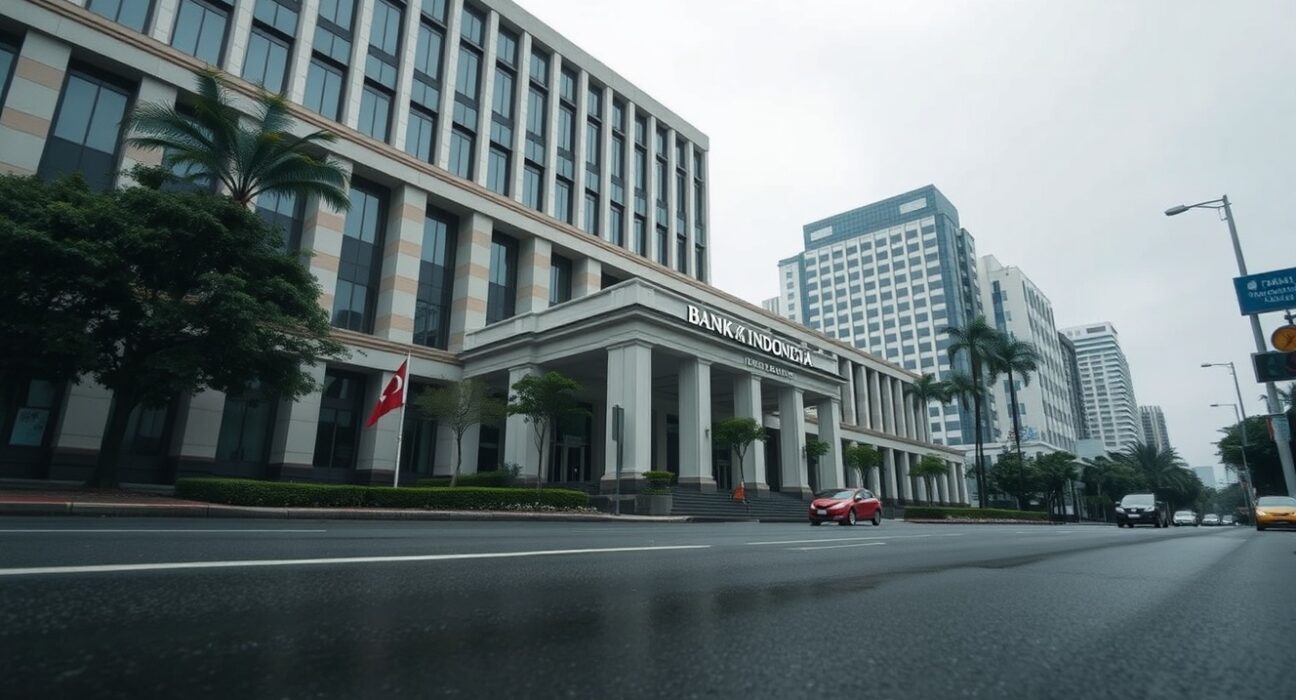
Bank Indonesia’s aggressive interest rate hike has provided only temporary relief for the Indonesian rupiah, according to a new analysis from OCBC. The central bank’s move, which surprised many market participants, is seen as a tactical step to stabilize the currency amid persistent global headwinds rather than a structural solution.
BI’s Jumbo Move: A Tactical Pause
In late 2024, Bank Indonesia raised its benchmark interest rate by 25 basis points to 6.25%, a decision that caught some analysts off guard. The central bank cited the need to anchor inflation expectations and support the rupiah, which had been under sustained pressure from a strong US dollar and rising global interest rates.
OCBC’s currency strategists describe the hike as a ‘buying time’ maneuver. The move temporarily narrowed the interest rate differential between Indonesia and the US, making rupiah-denominated assets more attractive to foreign investors. However, the analysts caution that without deeper structural reforms, the currency remains vulnerable to external shocks.
Market Reaction and Near-Term Outlook
Following the announcement, the rupiah strengthened modestly against the US dollar, recovering some of its year-to-date losses. The Indonesian stock market also saw a brief uptick, driven by foreign portfolio inflows. Yet, OCBC notes that the rally may be short-lived.
The bank’s analysis highlights several persistent risks: the Federal Reserve’s commitment to higher-for-longer interest rates, elevated geopolitical tensions affecting commodity prices, and Indonesia’s reliance on foreign capital to finance its current account deficit. These factors collectively limit the effectiveness of a single rate hike in reversing the rupiah’s trajectory.
Implications for Indonesian Borrowers and Businesses
For Indonesian companies and consumers, the rate hike translates into higher borrowing costs. Mortgage rates, corporate loans, and working capital financing are all expected to rise, potentially slowing domestic consumption and investment. OCBC’s report suggests that businesses with significant foreign currency debt should hedge aggressively, as the rupiah could face renewed pressure once the initial market euphoria fades.
Importers, particularly those dealing in raw materials and capital goods, will also feel the pinch. A weaker rupiah increases the cost of imported inputs, which could feed into domestic inflation over the coming months.
Conclusion
OCBC’s assessment underscores a key reality for emerging markets: monetary policy alone cannot insulate a currency from powerful global trends. Bank Indonesia’s jumbo hike has bought valuable time, but the rupiah’s stability ultimately depends on sustained foreign investor confidence, fiscal discipline, and a favorable external environment. For now, market participants should expect continued volatility and remain cautious about the medium-term outlook.
FAQs
Q1: Why did Bank Indonesia raise interest rates?
Bank Indonesia raised rates to combat inflationary pressures and support the rupiah, which had been weakening due to a strong US dollar and global interest rate trends.
Q2: How does OCBC view the impact of the rate hike?
OCBC views the rate hike as a temporary measure that buys time for the rupiah but does not address underlying structural vulnerabilities. The currency remains exposed to global shocks.
Q3: What should Indonesian businesses do in response?
Businesses with foreign currency debt should consider hedging strategies. Importers should prepare for higher costs, and all firms should review their exposure to interest rate and currency fluctuations.
Disclaimer: The information provided is not trading advice, Bitcoinworld.co.in holds no liability for any investments made based on the information provided on this page. We strongly recommend independent research and/or consultation with a qualified professional before making any investment decisions.
