

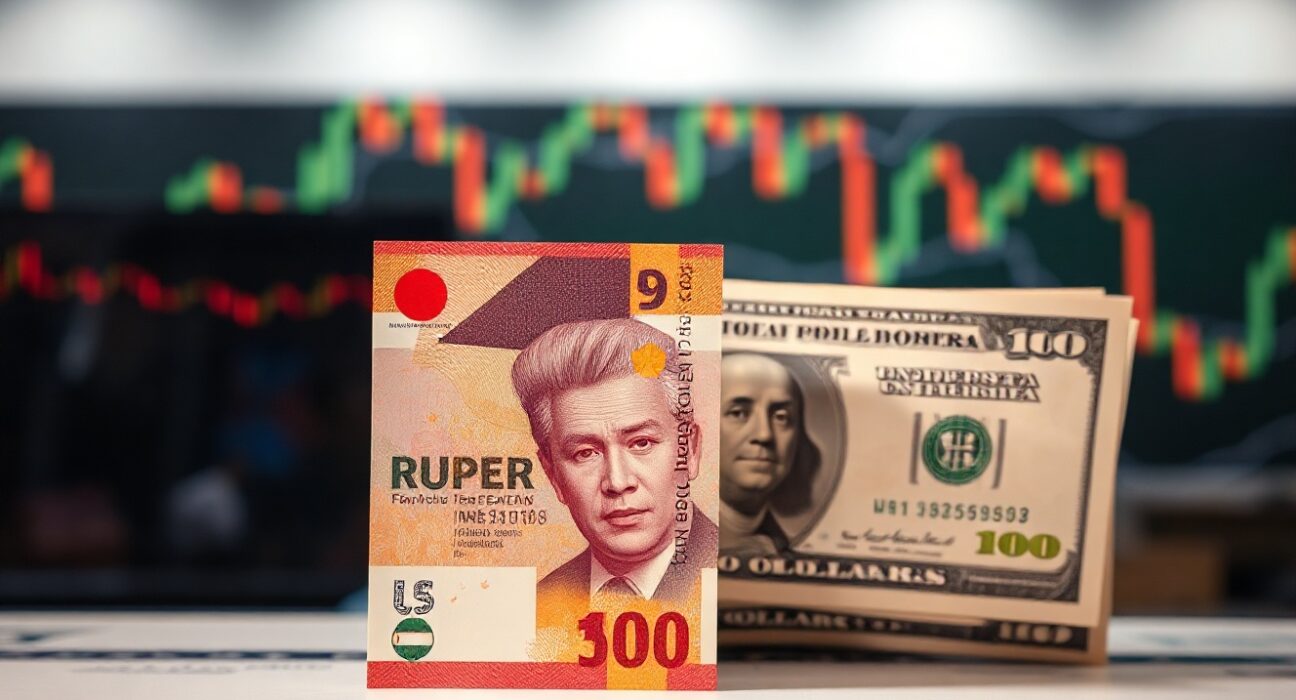
The Indonesian rupiah (IDR) is facing renewed depreciation pressure against the US dollar, driven by policy uncertainty, according to a note from ING, a global financial institution. As of the latest market updates, the USD/IDR exchange rate has been hovering near recent highs, reflecting investor caution over the country’s economic policy direction and external headwinds.
What is Driving the Rupiah’s Weakness?
The rupiah’s decline is largely attributed to a combination of domestic and external factors. Domestically, uncertainty over the new government’s fiscal and monetary policies, including potential changes to energy subsidies and tax regulations, has made investors wary. Externally, the strength of the US dollar, supported by the Federal Reserve’s sustained high interest rates, continues to put pressure on emerging market currencies, including the IDR.
ING analysts highlight that the lack of clarity on policy direction has dampened foreign capital inflows, which are crucial for supporting the rupiah. This uncertainty is compounded by global trade tensions and volatile commodity prices, which affect Indonesia’s export revenues.
Market Implications and Investor Sentiment
The rupiah’s weakness has significant implications for Indonesia’s economy, including higher import costs and potential inflationary pressures. For investors, this translates into a cautious outlook on Indonesian assets, with some reducing their exposure until policy signals become clearer.
Bank Indonesia, the country’s central bank, has intervened in the foreign exchange market to stabilize the rupiah, but its efforts may be limited without a clear policy framework from the government. ING suggests that the central bank may need to raise interest rates further if the currency continues to slide, which could weigh on economic growth.
Why This Matters to You
For businesses and individuals engaged in international trade or remittances, a weaker rupiah means higher costs for imported goods and services. It also affects the value of foreign investments and the purchasing power of Indonesian consumers. Understanding these dynamics is crucial for making informed financial decisions in the current environment.
Conclusion
In summary, the Indonesian rupiah is under pressure from policy uncertainty and a strong US dollar, as highlighted by ING. The outlook remains cautious, with the potential for further depreciation if domestic policy clarity is not achieved soon. Investors and market participants should closely monitor policy announcements and central bank actions to gauge the rupiah’s trajectory.
FAQs
Q1: Why is the Indonesian rupiah weakening against the US dollar?
The rupiah is weakening due to a mix of domestic policy uncertainty and external factors like a strong US dollar and global trade tensions. Investors are cautious about Indonesia’s fiscal and monetary direction, reducing capital inflows.
Q2: What can Bank Indonesia do to support the rupiah?
Bank Indonesia can intervene in the foreign exchange market by selling dollars to support the rupiah, and it may also raise interest rates to attract foreign capital. However, these measures may be limited without clear policy signals from the government.
Q3: How does a weak rupiah affect the Indonesian economy?
A weak rupiah increases the cost of imports, potentially fueling inflation. It also makes foreign debt more expensive and can reduce consumer purchasing power. However, it may benefit exporters by making their goods cheaper on the global market.
Disclaimer: The information provided is not trading advice, Bitcoinworld.co.in holds no liability for any investments made based on the information provided on this page. We strongly recommend independent research and/or consultation with a qualified professional before making any investment decisions.
