

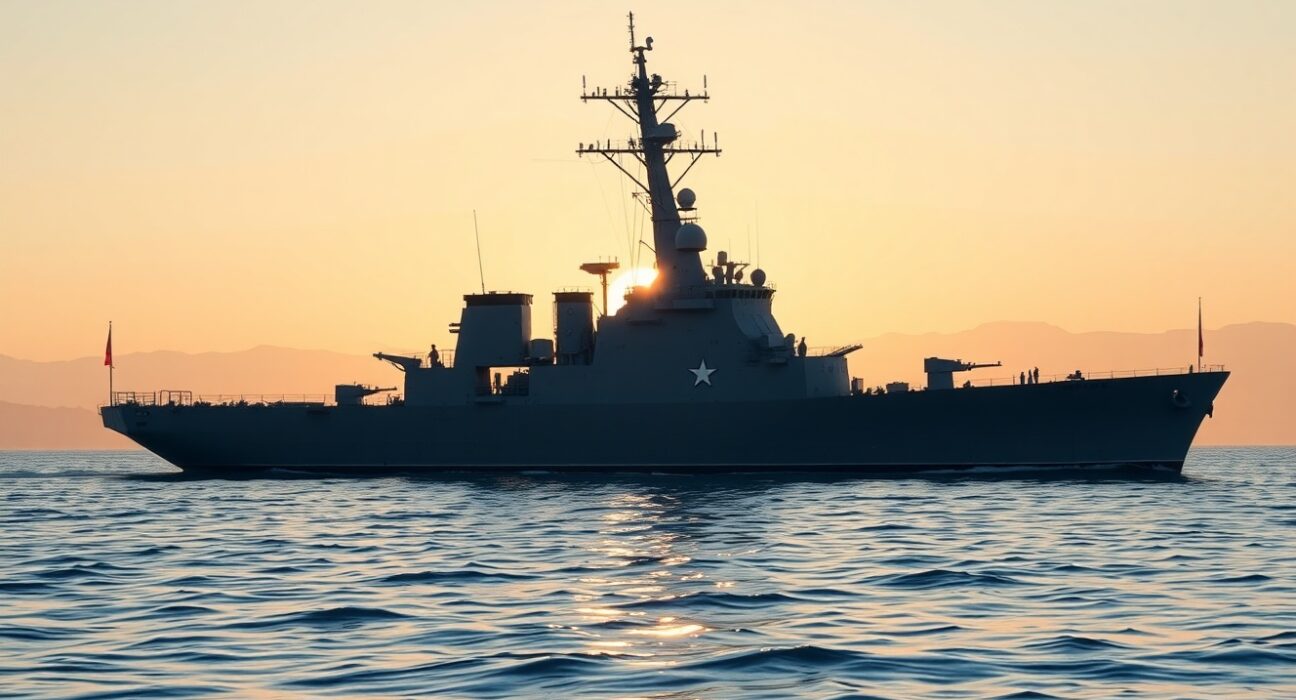
The United States military is preparing new operational plans to strike Iranian military capabilities around the Strait of Hormuz if the current ceasefire agreement collapses, according to a CNN report citing multiple sources. These plans emphasize dynamic strikes against Iranian forces in the Strait of Hormuz, the southern Persian Gulf, and the Gulf of Oman. Key targets include asymmetric assets such as small, fast attack boats and minelaying ships, which Iran has used to blockade this strategic waterway.
New US Military Strategy for Iran Hormuz Strikes
The reported shift in US military strategy marks a significant escalation in potential operations. Previously, US strikes focused on Iranian bases far from the strait. Now, the focus narrows to the waterway itself. This change reflects a tactical recalibration. It aims to neutralize Iran’s ability to disrupt global oil shipments through the Strait of Hormuz. The strait handles about 20% of the world’s petroleum transit.
Military analysts describe this as a targeted approach. It prioritizes speed and precision. The goal is to degrade Iran’s naval capabilities without triggering a broader regional war. The plans include real-time intelligence gathering. They also involve rapid deployment of naval and air assets.
Key Targets in the Strait of Hormuz
According to the CNN report, specific Iranian assets are in the crosshairs. These include:
- Small, fast attack boats: These vessels can swarm larger ships. They pose a threat to commercial tankers and naval vessels.
- Minelaying ships: Iran has used these to block the strait. Mines can disrupt shipping for weeks.
- Coastal defense systems: Anti-ship missiles and radar installations are also potential targets.
These assets are asymmetric. They allow Iran to challenge superior US naval power. Neutralizing them requires precise strikes. It also demands constant surveillance.
Background of US-Iran Tensions Over the Strait
The Strait of Hormuz has been a flashpoint for decades. Iran has threatened to close it during past disputes. In 2019, Iran seized several oil tankers. This prompted a US-led naval coalition. The current ceasefire, brokered in 2024, aimed to reduce tensions. However, negotiations have stalled. Both sides accuse each other of violations.
The US military maintains a strong presence in the region. The Fifth Fleet is based in Bahrain. It includes aircraft carriers, destroyers, and submarines. These forces conduct regular patrols. They ensure freedom of navigation. The new plans would authorize strikes without a direct attack on US assets.
Expert Analysis on the Escalation Risk
Defense experts warn of unintended consequences. Strikes on Iranian assets could provoke retaliation. Iran might target US allies in the region. It could also attack oil infrastructure in Saudi Arabia or the UAE. The risk of miscalculation is high. Both sides have red lines. A single incident could spiral into a larger conflict.
However, proponents argue that deterrence is necessary. They believe Iran only understands force. The new plans signal US resolve. They also provide options for a calibrated response.
Impact on Global Oil Markets and Shipping
The Strait of Hormuz is a chokepoint for global energy supplies. Any disruption affects oil prices. In 2023, a minor incident caused a 5% price spike. A full blockade could double prices. This would impact economies worldwide. The US is now a major oil producer. But Asia and Europe rely heavily on Gulf crude.
Shipping insurance rates would rise. Tankers might avoid the strait. Alternative routes, like the Bab el-Mandeb, are also risky. The global economy remains vulnerable. The US plans aim to prevent a blockade. But they also risk causing one.
Timeline of Recent Events
Here is a brief timeline of key events:
| Date | Event |
|---|---|
| 2024 | Ceasefire agreement signed between US and Iran |
| Early 2025 | Negotiations stall over nuclear and missile issues |
| March 2025 | CNN reports new US strike plans |
| Ongoing | US military refines operational details |
The timeline shows a pattern of escalation. The ceasefire bought time. But underlying tensions remain. The new plans represent a contingency. They are not yet authorized. But they are ready if needed.
Reactions from Iran and Regional Allies
Iran has condemned the reported plans. Officials call them a violation of international law. They warn of a strong response. Iran’s Revolutionary Guard Corps operates the fast attack boats. They have practiced swarming tactics. They also have coastal defense missiles. Iran could also use proxies in Yemen or Iraq to strike back.
Regional allies, including Saudi Arabia and the UAE, are concerned. They support the US presence. But they fear being caught in the crossfire. Both countries have diversified their economies. But oil remains central. They urge restraint. They also seek diplomatic solutions.
Military Capabilities Comparison
A quick comparison of US and Iranian naval capabilities:
- US Navy: Aircraft carriers, destroyers, submarines, advanced aircraft. Global power projection.
- Iranian Navy: Small boats, mines, anti-ship missiles, coastal defenses. Asymmetric warfare focus.
The US has overwhelming conventional superiority. But Iran’s asymmetric tactics can offset this. The new plans aim to neutralize this advantage. They rely on speed, precision, and surprise.
Conclusion
The reported US plans for intensified Iran Hormuz strikes represent a significant shift in military strategy. They focus on asymmetric assets like small attack boats and minelayers. The goal is to ensure freedom of navigation in the Strait of Hormuz. However, the risk of escalation remains high. The situation demands careful diplomacy. It also requires military readiness. The world watches as tensions rise. The outcome will shape global energy security and regional stability for years to come.
FAQs
Q1: What is the Strait of Hormuz and why is it important?
The Strait of Hormuz is a narrow waterway between Iran and Oman. It connects the Persian Gulf to the Gulf of Oman. About 20% of global oil passes through it. It is a critical chokepoint for energy supplies.
Q2: What are asymmetric assets in the context of Iran’s military?
Asymmetric assets are unconventional weapons. They allow a weaker force to challenge a stronger one. For Iran, these include small attack boats, mines, and anti-ship missiles. They are cheap but effective in the narrow strait.
Q3: How would new US strikes differ from previous operations?
Previous strikes targeted Iranian bases far from the strait. New plans focus on the waterway itself. They aim to hit fast attack boats and minelayers. This is a more direct approach to prevent a blockade.
Q4: What could trigger the US to execute these plans?
The plans are a contingency. They would be activated if the ceasefire collapses. A direct Iranian attack on US or allied ships could also trigger them. The US wants to deter such actions.
Q5: How might Iran respond to US strikes?
Iran could retaliate with missile attacks on US bases or allies. It could also use proxies in Yemen or Iraq. Another option is to mine the strait. This would disrupt shipping and raise oil prices.
Q6: What is the current status of the US-Iran ceasefire?
The ceasefire is fragile. Negotiations have stalled. Both sides accuse each other of violations. The US military is preparing for a possible collapse. Diplomatic efforts continue but face significant hurdles.
Disclaimer: The information provided is not trading advice, Bitcoinworld.co.in holds no liability for any investments made based on the information provided on this page. We strongly recommend independent research and/or consultation with a qualified professional before making any investment decisions.
