

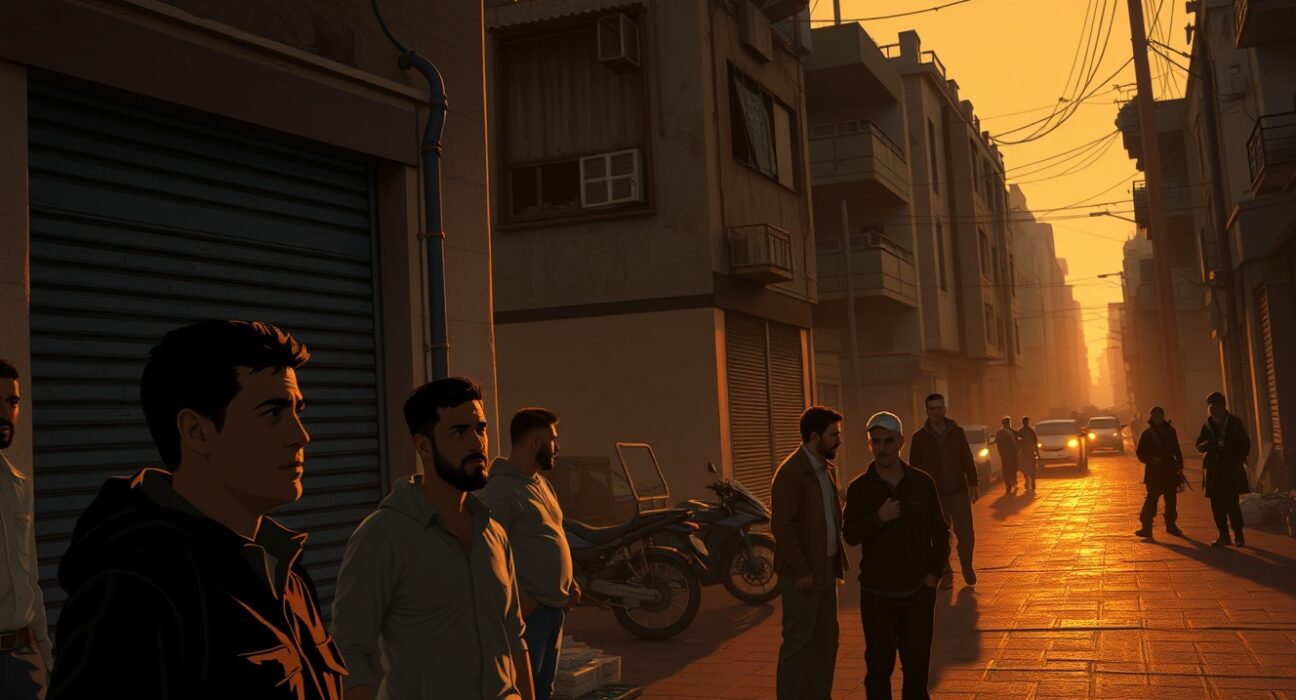
TEHRAN, Iran – Senior Iranian diplomat Abbas Araghchi has made explosive allegations against United States military forces operating in the Middle East, claiming American soldiers systematically use local residents as human shields during operations. This serious accusation, made during a recent security conference in Tehran, immediately escalated diplomatic tensions between the two nations. Furthermore, the allegation touches on fundamental principles of international humanitarian law that govern armed conflict worldwide.
Iran’s Araghchi Levels Grave US Soldiers Allegations
Deputy Foreign Minister Abbas Araghchi presented detailed claims about American military conduct during his address to regional security officials. Specifically, he asserted that US forces deliberately position civilians between themselves and potential threats. Consequently, this practice allegedly occurs during house raids, checkpoint operations, and convoy movements across multiple Middle Eastern countries. Moreover, Araghchi referenced what he described as documented incidents from Iraq, Syria, and Afghanistan over the past decade.
The Iranian official supported his allegations with several specific claims:
- Urban Operations: US soldiers reportedly force residents to enter buildings first during clearance operations
- Checkpoint Procedures: Civilians allegedly remain positioned near military personnel at security points
- Convoy Protection: Local vehicles supposedly travel alongside military convoys as deterrents
- Intelligence Gathering: Residents reportedly face coercion to provide information under threat of proximity to operations
International Law and Human Shield Prohibitions
International humanitarian law establishes clear protections for civilians during armed conflict. The Geneva Conventions explicitly prohibit using human shields under any circumstances. Additionally, the Rome Statute of the International Criminal Court classifies this practice as a war crime. Therefore, verified instances could potentially lead to prosecution at international tribunals.
Military experts distinguish between several types of human shield scenarios:
| Type | Definition | Legal Status |
|---|---|---|
| Voluntary Shields | Civilians who willingly position themselves | Still prohibited under international law |
| Coerced Shields | Civilians forced into protective positions | War crime under Rome Statute |
| Involuntary Proximity | Civilians incidentally near military operations | Requires proportionality assessment |
Historical Context of Human Shield Allegations
Human shield allegations possess a long history in modern warfare. Previously, Iraqi forces under Saddam Hussein faced similar accusations during the 1990-1991 Gulf War. Similarly, Hezbollah fighters received criticism during the 2006 Lebanon War. More recently, Hamas operations in Gaza prompted identical allegations from Israeli authorities. However, accusations against major Western military powers remain relatively uncommon in recent decades.
US Military Response and Protocol Analysis
The United States Department of Defense maintains strict rules of engagement regarding civilian protection. American military manuals explicitly forbid human shield tactics. Furthermore, US soldiers receive extensive training on distinguishing combatants from non-combatants. The Law of Armed Conflict (LOAC) training occurs annually for all service members.
Pentagon officials historically address such allegations through specific channels:
- Immediate investigation by the relevant combatant command
- Review by Judge Advocate General (JAG) corps personnel
- Potential disciplinary action under the Uniform Code of Military Justice
- Transparency reports to congressional oversight committees
However, independent monitoring organizations sometimes criticize investigation processes. Human Rights Watch and Amnesty International repeatedly call for more transparent reporting mechanisms. These groups advocate for civilian casualty tracking that includes potential human shield scenarios.
Regional Implications and Diplomatic Fallout
Araghchi’s allegations emerge during particularly tense US-Iran relations. Recent negotiations regarding Iran’s nuclear program reached a stalemate last month. Simultaneously, American forces maintain significant presence in Syria and Iraq. Consequently, regional analysts interpret these accusations as political positioning rather than purely humanitarian concern.
Middle Eastern governments typically respond cautiously to such allegations. Regional powers balance several competing interests:
- Maintaining security cooperation with United States forces
- Addressing domestic political pressures regarding foreign military presence
- Preserving diplomatic relationships with Iran
- Upholding international law principles for civilian protection
Verification Challenges and Evidence Standards
Verifying human shield allegations presents substantial difficulties. Battlefield conditions often prevent clear documentation. Additionally, conflicting narratives typically emerge from opposing sides. International investigators require specific types of evidence to establish violations:
First, photographic or video documentation showing deliberate positioning. Second, eyewitness testimony from multiple independent sources. Third, military communications indicating intentional tactics. Fourth, patterns of behavior across multiple incidents. Finally, forensic evidence from incident sites.
Civilian Protection Mechanisms in Modern Warfare
Modern militaries implement various systems to minimize civilian harm. The United States military developed specific protocols after criticism during earlier conflicts. These include advanced surveillance technology to identify non-combatants. Additionally, delayed fuse weapons reduce fragmentation in populated areas. Furthermore, no-strike lists protect sensitive civilian locations.
Despite these measures, civilian casualties unfortunately continue in conflict zones. The United Nations documents approximately 20,000 civilian deaths annually in current conflicts. However, distinguishing between incidental casualties and human shield scenarios remains challenging for monitoring organizations.
Conclusion
Iranian diplomat Abbas Araghchi’s allegations regarding US soldiers using human shields represent serious accusations under international law. These claims require thorough investigation through proper legal channels. Furthermore, the allegations highlight ongoing tensions between the United States and Iran in the Middle East. Ultimately, protecting civilians during armed conflict remains a fundamental obligation for all military forces. The international community must ensure proper accountability mechanisms exist for verifying such serious claims about military conduct.
FAQs
Q1: What exactly did Iranian official Abbas Araghchi allege about US soldiers?
Abbas Araghchi alleged that United States military forces deliberately use local residents as human shields during operations in Middle Eastern countries. Specifically, he claimed this occurs during house raids, checkpoint operations, and convoy movements.
Q2: What does international law say about using human shields in military operations?
International humanitarian law strictly prohibits using human shields under any circumstances. The Geneva Conventions explicitly ban this practice, and the Rome Statute of the International Criminal Court classifies it as a war crime subject to prosecution.
Q3: How has the United States military responded to similar allegations in the past?
The US Department of Defense typically investigates such allegations through military channels. Pentagon officials emphasize their strict rules of engagement and extensive Law of Armed Conflict training that explicitly prohibits human shield tactics.
Q4: What evidence would be needed to verify human shield allegations?
Verification requires photographic documentation, eyewitness testimony from independent sources, military communications indicating intentional tactics, patterns across multiple incidents, and forensic evidence from incident sites.
Q5: Why are these allegations significant in current US-Iran relations?
These allegations emerge during particularly tense diplomatic relations between the United States and Iran. They occur alongside stalled nuclear negotiations and continued US military presence in Syria and Iraq, making them politically significant beyond purely humanitarian concerns.
Disclaimer: The information provided is not trading advice, Bitcoinworld.co.in holds no liability for any investments made based on the information provided on this page. We strongly recommend independent research and/or consultation with a qualified professional before making any investment decisions.
