

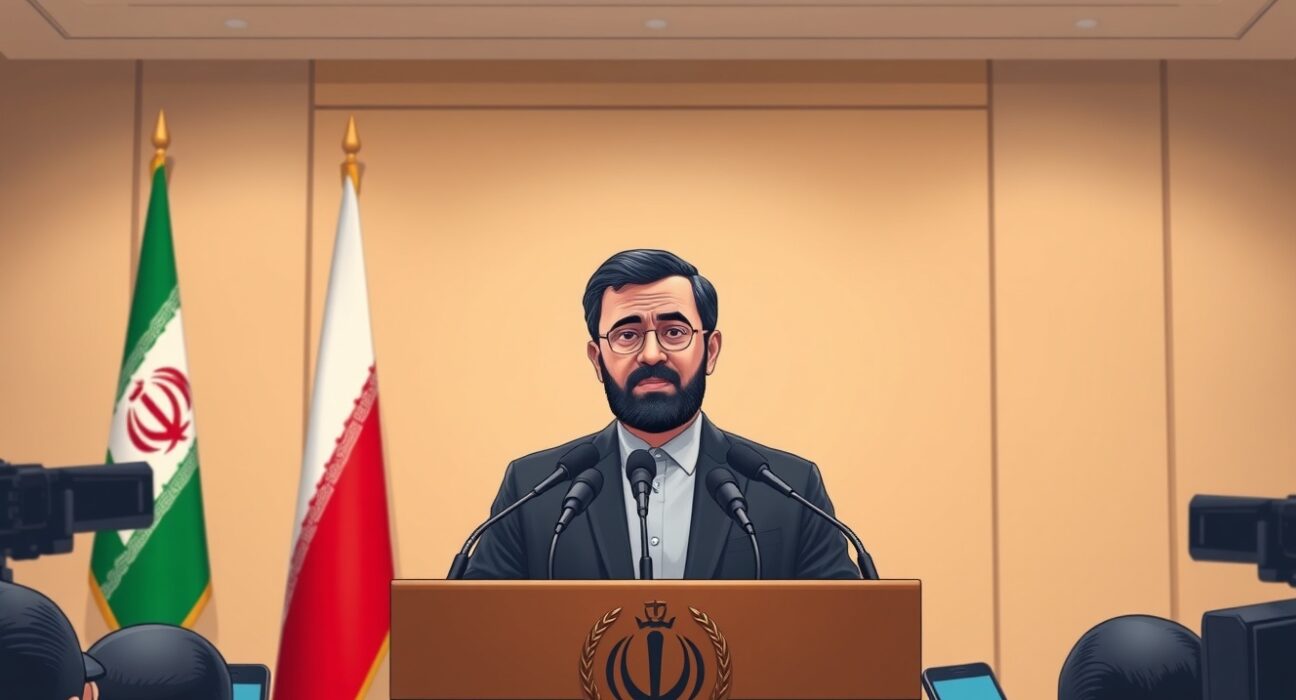
Iranian Foreign Minister Abbas Araghchi has declared that the United States is requesting negotiations because Washington has failed to achieve any of its strategic objectives in the region. This statement comes amid heightened tensions and stalled nuclear talks. Araghchi’s remarks highlight a significant shift in diplomatic rhetoric. They also underscore the deep impasse between Tehran and Washington.
Araghchi’s Bold Statement on US Negotiations
Speaking at a press conference in Tehran on March 10, 2025, Araghchi directly challenged the US position. He stated that American requests for dialogue are a direct admission of failure. According to Araghchi, the US has not met any of its goals regarding Iran’s nuclear program or regional influence. This marks a departure from previous Iranian diplomatic language. It signals a hardening of Tehran’s stance. The statement comes weeks after indirect talks in Oman stalled.
Analysts view this as a calculated move. It pressures the US to offer concessions before any formal talks. Araghchi emphasized that Iran will not negotiate under duress. He cited ongoing sanctions as proof of US hostility. The foreign minister’s words carry weight. He is a key architect of Iran’s nuclear diplomacy. His experience includes the 2015 Joint Comprehensive Plan of Action (JCPOA).
Background of US-Iran Tensions
Relations between the US and Iran have been fraught for decades. The 1979 Iranian Revolution and hostage crisis set a hostile tone. Subsequent US support for Iraq during the Iran-Iraq War deepened mistrust. The 2015 JCPOA offered a brief thaw. It limited Iran’s nuclear program in exchange for sanctions relief. However, the US withdrawal from the deal in 2018 under President Donald Trump shattered that progress.
Since then, Iran has advanced its nuclear capabilities. It now enriches uranium to near weapons-grade levels. The US has responded with maximum pressure campaigns. These include economic sanctions and military posturing. Neither side has achieved its stated objectives. Iran wants sanctions lifted and its sovereignty respected. The US wants Iran to halt nuclear enrichment and curb regional proxies.
Failed US Objectives in the Region
Araghchi’s claim aligns with observable realities. The US has not stopped Iran’s nuclear progress. It has not reduced Iran’s influence in Syria, Iraq, Lebanon, or Yemen. It has not forced regime change in Tehran. The 2023 Gaza conflict further complicated US strategy. Iran’s proxies, including Hezbollah and Houthi rebels, remain active. US military presence in the Middle East has not deterred Iranian operations.
A table of key US objectives and their status illustrates this point:
| US Objective | Status as of 2025 |
|---|---|
| Halt Iran’s nuclear enrichment | Failed – Iran enriches uranium to 60% |
| Reduce Iranian regional influence | Failed – Influence remains strong |
| Force regime change | Failed – Government remains stable |
| Secure a new nuclear deal | Failed – Talks are stalled |
| Stabilize Iraq and Syria | Failed – Conflicts persist |
This failure creates a strategic dilemma for Washington. Negotiations appear to be a last resort. However, Iran now demands more favorable terms. Araghchi’s statement reinforces that position.
Impacts on Global Diplomacy and Energy Markets
The impasse affects more than just bilateral relations. Global energy markets react to every shift in rhetoric. Iran holds some of the world’s largest oil and gas reserves. Sanctions limit its exports. Any prospect of renewed talks raises hopes of increased supply. Conversely, a breakdown can spike prices. In early 2025, oil prices remain volatile. Traders watch every diplomatic signal.
European powers are caught in the middle. They want to preserve the JCPOA framework. They also fear a nuclear-armed Iran. France, Germany, and the UK have attempted mediation. Their efforts have yielded little progress. The US and Iran remain entrenched. Araghchi’s comments suggest Europe’s role may diminish.
Regional Reactions to Araghchi’s Remarks
Neighboring countries reacted cautiously. Saudi Arabia, which normalized ties with Iran in 2023, called for restraint. The United Arab Emirates urged dialogue. Israel, however, condemned the statement. Israeli officials reiterated their readiness for military action. This regional divide complicates any US negotiation strategy. Iran’s allies, including Russia and China, supported Araghchi’s position. They criticized US unilateralism.
A timeline of key events leading to this point:
- 2015: JCPOA signed between Iran and P5+1
- 2018: US withdraws from JCPOA, reimposes sanctions
- 2020: US kills Iranian General Qasem Soleimani
- 2021-2022: Indirect nuclear talks in Vienna fail
- 2023: Iran-Saudi rapprochement brokered by China
- 2024: Gaza war escalates regional tensions
- 2025: Araghchi declares US negotiation request a sign of failure
Expert Analysis on the Negotiation Stance
Dr. Vali Nasr, a professor of Middle East studies at Johns Hopkins University, notes that Araghchi’s statement is a strategic gambit. “Iran wants to negotiate from a position of strength,” he says. “By framing US requests as weakness, Tehran aims to extract maximum concessions.” This approach mirrors Iran’s successful tactic in the 2015 talks. It also reflects a changed geopolitical landscape. The US is now less dominant in the Middle East. China and Russia offer Iran alternatives.
Other experts point to internal Iranian politics. Hardliners in Tehran oppose any talks with the US. Araghchi’s tough language may appease them. It also buys time for Iran to advance its nuclear program. The International Atomic Energy Agency (IAEA) reports that Iran now has enough enriched material for multiple bombs. This gives Iran leverage. It also raises the stakes for diplomacy.
What This Means for the Future of Diplomacy
The path forward remains uncertain. Both sides have reasons to negotiate. Neither wants a full-scale war. However, trust is virtually nonexistent. Araghchi’s statement reinforces that distrust. The US must decide whether to offer new incentives. These could include sanctions relief or security guarantees. Iran must decide whether to freeze its nuclear program. Neither concession seems likely soon.
Observers suggest a gradual approach. Back-channel talks may continue. Public statements like Araghchi’s serve domestic audiences. They also signal intransigence. The real negotiations happen quietly. But time is running out. Iran’s nuclear breakout time is now weeks, not months. This creates a dangerous dynamic. Any miscalculation could trigger conflict.
Conclusion
Iran’s Araghchi has clearly stated that US negotiations requests stem from a failure to achieve objectives. This declaration reshapes the diplomatic landscape. It underscores the stalemate between two powerful nations. The world watches as tensions persist. The US must reassess its strategy. Iran demands respect and relief. Without compromise, the risk of escalation grows. Araghchi’s words are a warning. They are also an opportunity for a new approach. The future of Iran-US relations hangs in the balance.
FAQs
Q1: What did Iran’s Araghchi say about US negotiations?
A1: Araghchi stated that the US is requesting negotiations because it has failed to achieve any of its strategic objectives in the region. He made this remark during a press conference in Tehran on March 10, 2025.
Q2: Why are US-Iran negotiations stalled?
A2: Negotiations are stalled due to deep mistrust, ongoing US sanctions, Iran’s advancing nuclear program, and disagreements over regional influence. Both sides have failed to find common ground since the US left the JCPOA in 2018.
Q3: How does this affect global oil prices?
A3: The impasse keeps oil markets volatile. Iran’s potential return to global oil markets could lower prices. However, any escalation or breakdown in talks could spike prices. Traders monitor diplomatic signals closely.
Q4: What is the JCPOA and why does it matter?
A4: The Joint Comprehensive Plan of Action (JCPOA) is a 2015 nuclear deal between Iran and world powers. It limited Iran’s nuclear program in exchange for sanctions relief. The US withdrawal in 2018 undermined the deal. Efforts to revive it have failed.
Q5: Could this lead to military conflict?
A5: The risk exists but remains low for now. Both sides prefer diplomacy. However, Iran’s nuclear progress and US military presence create a flashpoint. Miscalculations or provocations could trigger a conflict. Regional actors urge restraint.
Q6: What role do China and Russia play?
A6: China and Russia support Iran’s position. They criticize US unilateralism. Both nations provide economic and diplomatic alternatives to Iran. This reduces the impact of US sanctions and complicates US strategy.
Disclaimer: The information provided is not trading advice, Bitcoinworld.co.in holds no liability for any investments made based on the information provided on this page. We strongly recommend independent research and/or consultation with a qualified professional before making any investment decisions.
