
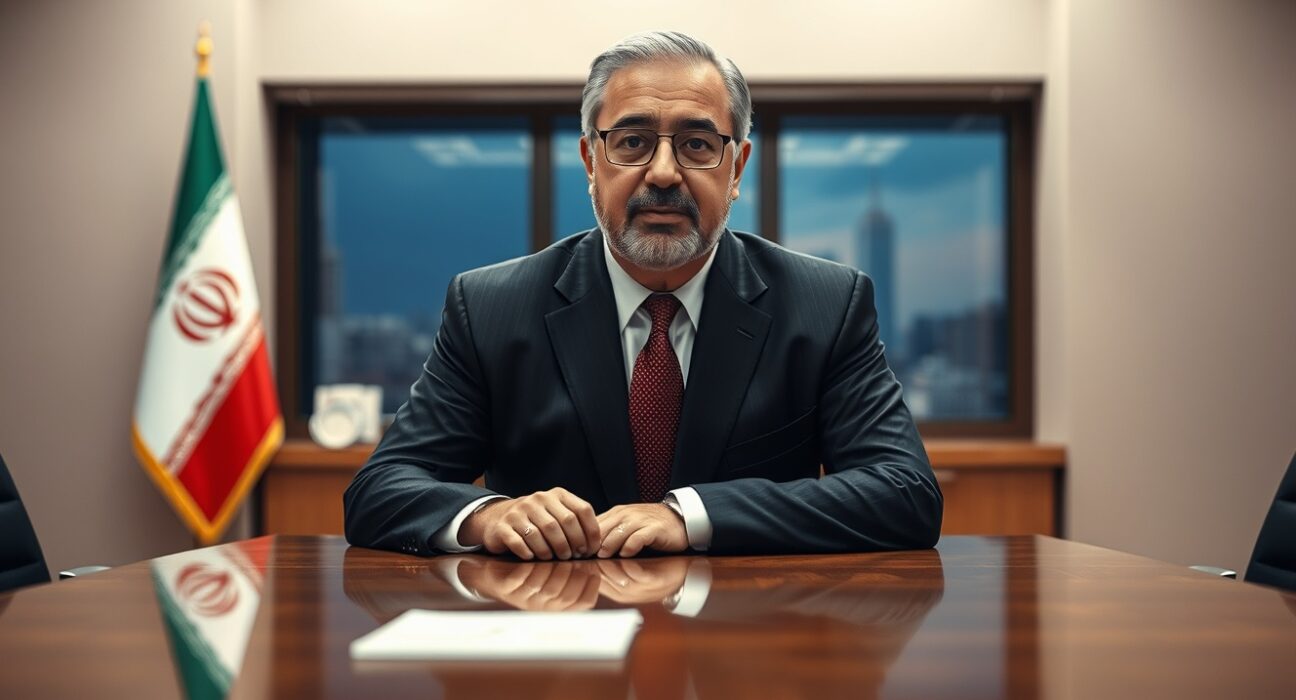
TEHRAN, Iran – In a significant development for Middle Eastern geopolitics, Iranian Foreign Minister Hossein Amir-Abdollahian, widely known in diplomatic parlance as Araghchi, has publicly confirmed ongoing engagement with the United States. The objective, he stated, is to end a protracted regional conflict through good-faith negotiations. This announcement marks a potential turning point in years of strained relations and could reshape the security landscape of the entire region.
Iran’s Diplomatic Stance on US Negotiations
Minister Araghchi’s comments emerged during a press briefing in Tehran. He emphasized Iran’s commitment to a diplomatic resolution. “We are engaged with the American side in good faith,” Araghchi stated, according to transcripts from the Iranian Foreign Ministry. “Our primary goal remains the cessation of hostilities and the establishment of a sustainable peace framework.” This language represents a notable shift from previous rhetoric, which often emphasized resistance over dialogue.
Analysts immediately scrutinized the statement for its implications. The term “good faith” is a critical diplomatic signal. It suggests a willingness to move beyond procedural talks toward substantive negotiation. Furthermore, the direct acknowledgment of engagement contradicts months of official silence on the matter. This transparency itself is a confidence-building measure aimed at both domestic and international audiences.
The Historical Context of US-Iran Relations
To understand the weight of this announcement, one must consider the deep historical rift. Relations between Iran and the United States have been largely adversarial since the 1979 Islamic Revolution. Key points of contention include:
- Nuclear Program: The 2015 Joint Comprehensive Plan of Action (JCPOA) and its subsequent collapse under the Trump administration.
- Regional Proxy Conflicts: Support for opposing factions in Yemen, Syria, Iraq, and Lebanon.
- Sanctions Regime: Crippling US economic sanctions targeting Iran’s oil and financial sectors.
- Military Posturing: Incidents in the Persian Gulf and strikes against Iranian military officials.
This history makes any direct communication a delicate and high-stakes endeavor. The current talks, therefore, are not occurring in a vacuum. They are built upon a fragile foundation of indirect discussions, often facilitated by European or Gulf intermediaries.
Analyzing the Path to a Ceasefire
The specific “war” referenced by Araghchi is widely interpreted as the broader regional conflict encompassing several theaters. A potential ceasefire would likely involve a complex, multi-layered agreement. Experts point to several necessary components for any viable deal. These components would need to address both immediate de-escalation and long-term political solutions.
Potential Framework for De-escalation:
| Component | Iranian Interest | US Interest |
|---|---|---|
| Nuclear Program Freeze | Sanctions relief, economic normalization | Verifiable halt to uranium enrichment |
| Regional Militia Activity | Security guarantees, recognition of influence | Cessation of attacks on US allies and assets |
| Prisoner Exchange | Humanitarian gesture, bilateral trust | Release of detained US citizens |
| Maritime Security | Freedom of navigation for oil exports | Safe passage in Strait of Hormuz |
Dr. Leila Ahmed, a senior fellow at the Center for Strategic Studies, notes the challenges. “The devil is in the sequencing,” she explains. “Does sanctions relief come before, during, or after verifiable actions on the ground? Establishing this timeline is the core of the negotiation.” Both sides possess powerful hardliners who could derail any agreement perceived as a concession.
Global and Regional Impacts of Potential Peace
A successful diplomatic outcome would have profound ripple effects. Firstly, global energy markets would likely stabilize. Iran holds some of the world’s largest proven oil and gas reserves. Its full return to the market could lower prices and increase supply security. Secondly, regional allies on both sides would need to adjust their strategies. Countries like Israel and Saudi Arabia have built security policies around the threat of Iran.
Conversely, a failure of these talks could lead to dangerous escalation. Military analysts warn of a higher probability of miscalculation if diplomacy is seen as exhausted. The region remains a tinderbox, with advanced weapons systems and proxy forces in close proximity. Therefore, the stakes of Araghchi’s “good faith” engagement could not be higher.
The Role of International Mediators
While Araghchi highlighted bilateral engagement, third parties continue to play a crucial role. Oman and Qatar have historically facilitated backchannel communications. European powers, particularly France and Germany, remain invested in reviving the nuclear deal’s architecture. Additionally, international organizations like the United Nations could provide verification mechanisms for any future agreement. This multi-track diplomacy adds layers of complexity but also creates more entry points for dialogue.
Conclusion
Foreign Minister Araghchi’s confirmation of good-faith talks with the United States represents a pivotal moment in Middle Eastern diplomacy. While significant obstacles remain, the mere existence of direct engagement offers a fragile hope for de-escalation. The path forward requires meticulous negotiation, reciprocal concessions, and robust verification. The world now watches to see if this diplomatic opening can translate into a tangible end to conflict, or if it will become another footnote in the long history of US-Iran discord. The outcome of these Iran US negotiations will undoubtedly define the region’s stability for years to come.
FAQs
Q1: What specific war is Iran’s Foreign Minister referring to?
Minister Araghchi is likely referencing the broader regional conflict spanning several countries, including proxy wars in Yemen and Syria, and the ongoing tensions with the US and its allies that have repeatedly brought the region to the brink of direct military confrontation.
Q2: Have there been direct talks between Iran and the US before?
Yes. The most significant were the direct negotiations that led to the 2015 nuclear deal (JCPOA). Since the US withdrawal in 2018, talks have been sporadic, often indirect, and focused primarily on reviving the nuclear agreement, with limited discussion on broader regional issues.
Q3: What does “good faith” mean in diplomatic terms?
In diplomacy, “good faith” implies a sincere intention to reach an agreement. It means parties are negotiating honestly, not using talks as a cover for other actions, and are willing to make compromises to achieve a mutual goal. It’s a foundational principle for trust-building.
Q4: What are the biggest obstacles to a deal?
The main obstacles include deep mutual distrust, disagreement on the sequence of concessions (e.g., sanctions relief vs. nuclear rollback), the activities of Iran’s regional proxies, domestic political opposition in both countries, and the interests of regional allies like Israel and Saudi Arabia.
Q5: How would a US-Iran agreement affect global oil prices?
A comprehensive agreement leading to the lifting of sanctions on Iranian oil exports would likely increase global supply, potentially putting downward pressure on oil prices. Iran could realistically add 1-1.5 million barrels per day to the market relatively quickly, impacting global energy economics.
Disclaimer: The information provided is not trading advice, Bitcoinworld.co.in holds no liability for any investments made based on the information provided on this page. We strongly recommend independent research and/or consultation with a qualified professional before making any investment decisions.