

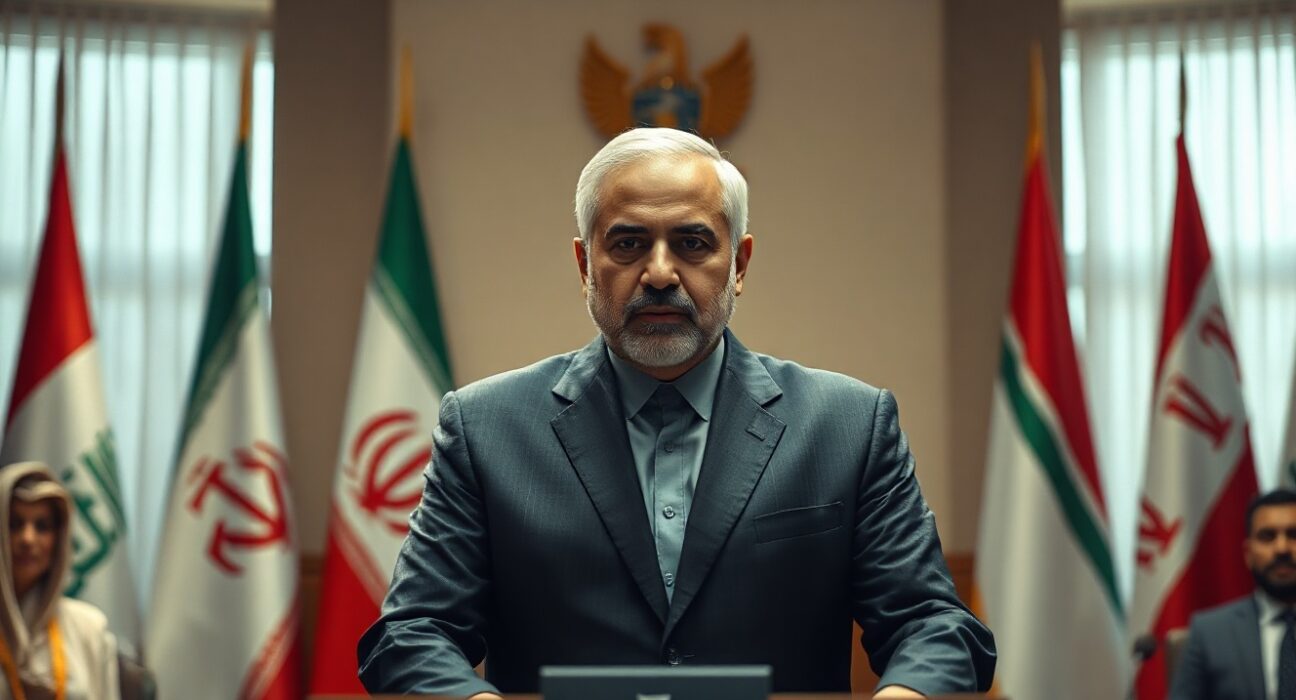
Iran’s top diplomat, Abbas Araghchi, has issued a stark warning to Gulf states, asserting that they bear a legal and moral responsibility to prevent any potential US or Israeli military strikes against Iranian territory. The statement, delivered during a regional diplomatic tour, underscores Tehran’s growing anxiety over perceived collusion between its Gulf neighbors and Western powers amid escalating tensions over Iran’s nuclear program and regional influence.
Context of the Warning
Araghchi’s remarks come as the United States and Israel have repeatedly signaled a willingness to use military force to prevent Iran from acquiring nuclear weapons capability. The Iranian Foreign Minister’s comments, made in meetings with Gulf officials, emphasize that any attack launched from or supported by Gulf states would constitute a violation of international law and regional stability. The warning reflects Iran’s strategy to diplomatically isolate potential adversaries while rallying regional support against external threats.
Legal and Moral Dimensions
According to Araghchi, Gulf states are bound by international treaties and United Nations Charter provisions that prohibit the use of force against sovereign nations. He argued that allowing foreign powers to use their territory for strikes would make them complicit in aggression. This legal framing is part of Iran’s broader effort to shift the narrative from its nuclear activities to the legitimacy of potential attacks against it. Analysts note that such warnings also serve to pressure Gulf governments, which have historically balanced security alliances with the US and economic ties with Iran.
Implications for Regional Security
The warning heightens the stakes for Gulf states, including Saudi Arabia, the United Arab Emirates, and Qatar, which host US military bases and have varying degrees of diplomatic relations with Iran. Any military confrontation between Iran and the US or Israel could destabilize the entire Persian Gulf region, affecting global energy markets and civilian safety. Araghchi’s comments aim to create a deterrent by highlighting the potential consequences for Gulf nations, including retaliatory strikes or increased domestic unrest.
Reactions and Next Steps
Neither the United States nor Israel has formally responded to Araghchi’s remarks, but both countries have maintained their positions on Iran’s nuclear program. Gulf states have not publicly commented on the warning, but diplomatic sources suggest that behind-the-scenes discussions are ongoing to de-escalate tensions. The international community, including the International Atomic Energy Agency, continues to monitor Iran’s nuclear activities while urging restraint from all parties.
Conclusion
Iran’s warning to Gulf states represents a significant escalation in diplomatic rhetoric, reflecting the fragile security landscape of the Middle East. As negotiations over Iran’s nuclear program remain stalled, the risk of miscalculation or unintended conflict persists. For Gulf nations, the challenge lies in balancing their security partnerships with the need to avoid being drawn into a direct confrontation that could have catastrophic regional consequences.
FAQs
Q1: Why is Iran warning Gulf states about US and Israeli strikes?
Iran seeks to hold Gulf states accountable under international law for any military action launched from their territory, aiming to deter them from supporting or facilitating attacks against Iran.
Q2: What legal basis does Iran cite for its warning?
Iran refers to the UN Charter and international law, which prohibit the use of force against sovereign states and hold nations responsible for actions taken from their soil.
Q3: How might Gulf states respond to Iran’s warning?
Gulf states are likely to maintain diplomatic engagement with both Iran and the US, balancing security concerns with regional stability, while avoiding public commitments that could alienate either side.
Disclaimer: The information provided is not trading advice, Bitcoinworld.co.in holds no liability for any investments made based on the information provided on this page. We strongly recommend independent research and/or consultation with a qualified professional before making any investment decisions.
