

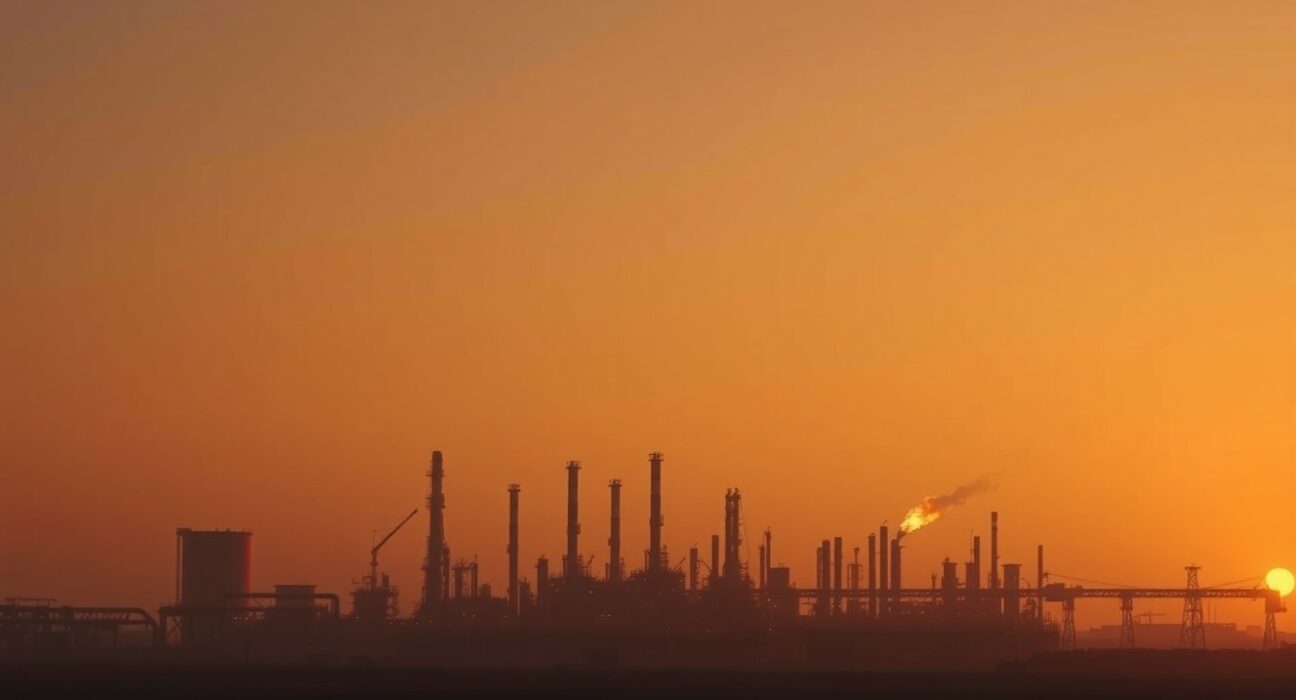
The apparent de-escalation of military tensions with Iran offers only a temporary and deeply uncertain reprieve for global energy markets, with risks to both crude supply and refinery capacity that could leave Europe facing a severe energy shortage this winter.
Ceasefire Provides Only a Temporary Pause
The current halt in active hostilities between Israel and Iran has calmed immediate fears of a regional conflagration, but analysts warn the underlying triggers for conflict remain unresolved. The ceasefire is widely viewed as fragile, with both sides maintaining high military readiness. The background factors that drove the confrontation — including Iran’s nuclear ambitions, proxy conflicts across the Middle East, and ongoing tensions with the U.S. — have not been addressed and can easily escalate again if the ceasefire collapses.
Energy Markets Face Dual Supply Threats
The energy sector’s exposure to the Iran situation goes beyond crude oil production. While Iran is a significant oil producer, the immediate concern for European markets is the potential disruption to refinery output. A major military escalation could damage critical refining infrastructure in the Persian Gulf region, which processes a substantial share of the world’s crude into finished products like diesel and heating oil. Europe, already grappling with reduced Russian gas flows, is particularly vulnerable to any disruption in refined product imports as it heads into peak winter demand.
Refinery Capability as a Critical Weak Point
The focus on crude supply alone misses a more pressing vulnerability: the global refinery system is operating with limited spare capacity. Any conflict-related damage to refineries in the Middle East would immediately tighten markets for gasoline, diesel, and jet fuel. For Europe, which depends heavily on imported refined products from the region, the impact would be immediate and severe, potentially forcing governments to ration fuel or implement emergency measures.
Winter Energy Crisis Could Resurface
European energy officials have been quietly warning that the continent is not out of the woods despite a relatively mild previous winter. Natural gas storage levels are high, but the infrastructure for converting gas to electricity and heat remains strained. A disruption to oil product imports — especially diesel, which is used for heating in many parts of Europe — would compound existing vulnerabilities. The situation is made more precarious by the fact that the ceasefire could end at any moment, with little warning.
Conclusion
The current pause in the Iran conflict provides a window for energy markets to stabilize, but it is a fragile one. The combination of unresolved geopolitical tensions, tight refinery capacity, and Europe’s structural energy vulnerabilities means the risk of a severe supply crisis this winter remains real. Market participants and policymakers should treat this reprieve as an opportunity to prepare for a potential escalation, not as a resolution.
FAQs
Q1: Why is the Iran ceasefire considered fragile?
The ceasefire is a temporary halt in active hostilities, not a negotiated settlement. The underlying political and strategic disputes between Iran, Israel, and the U.S. remain unresolved, and both sides have signaled readiness to resume operations if conditions change.
Q2: How would a renewed conflict affect oil prices?
A renewed conflict would likely cause a sharp spike in crude oil prices due to supply disruption fears. However, the more significant impact could be on refined product prices if refineries are damaged or forced to shut down, leading to shortages of diesel, gasoline, and heating oil.
Q3: Could Europe face actual fuel shortages this winter?
Yes, particularly if the conflict escalates and disrupts refinery output in the Middle East. Europe imports a significant portion of its diesel and other refined products from that region, and there is limited spare refining capacity elsewhere to compensate for a sudden loss of supply.
Disclaimer: The information provided is not trading advice, Bitcoinworld.co.in holds no liability for any investments made based on the information provided on this page. We strongly recommend independent research and/or consultation with a qualified professional before making any investment decisions.
