
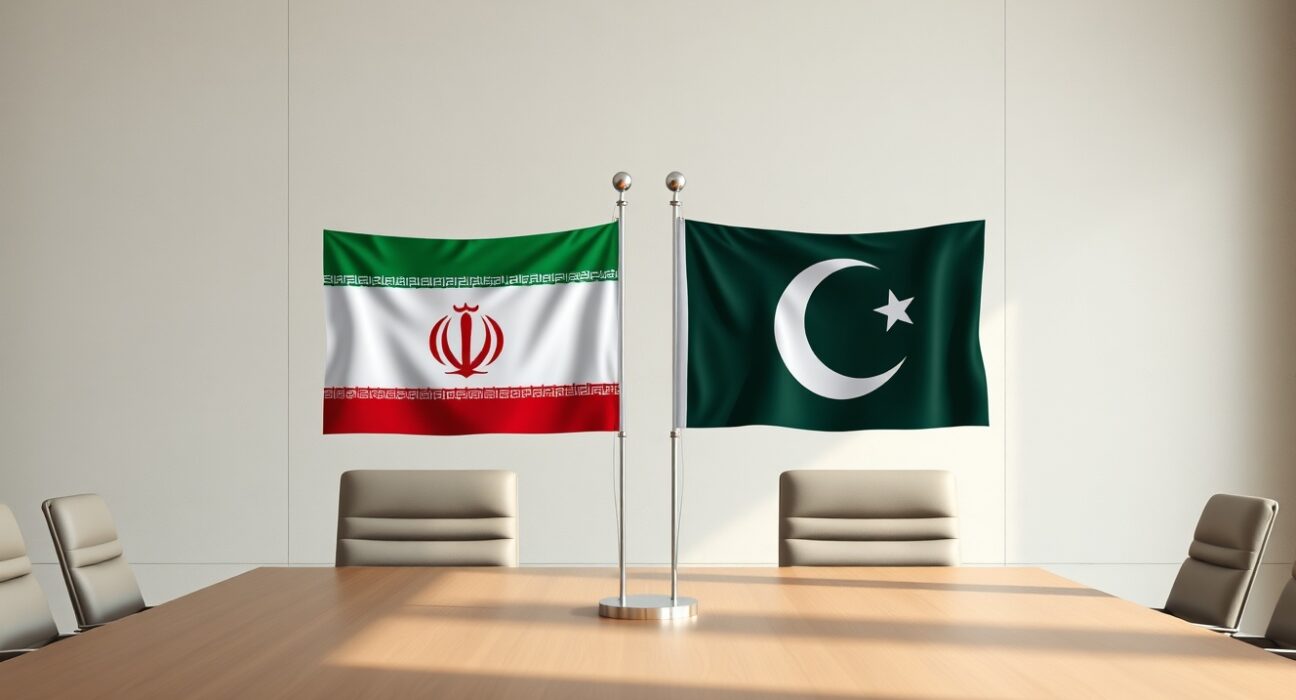
In a significant diplomatic development reported by The New York Times, Iran has formally accepted a two-week ceasefire proposal from Pakistan, a critical move explicitly sanctioned by the country’s new Supreme Leader. This announcement, emerging from Tehran on March 21, 2025, marks a pivotal moment in a period of heightened regional tensions. Consequently, analysts are scrutinizing the decision for its potential to reshape security dynamics across the Middle East and South Asia. The agreement represents a deliberate pause, offering a window for de-escalation and dialogue.
Analyzing the Iran Ceasefire Decision
The acceptance of this temporary truce follows a series of measured diplomatic exchanges between Tehran and Islamabad. Importantly, the direct involvement and approval of Iran’s new Supreme Leader, Ayatollah Ahmad Vaezi, signals the highest-level endorsement of the process. This gesture suggests a potential strategic recalibration in Iran’s foreign policy approach under its new leadership. Regional observers note that such ceasefires often serve as confidence-building measures, paving the way for more substantive negotiations. Therefore, the next fourteen days will be crucial for assessing both parties’ commitment to lasting stability.
Historically, relations between Iran and Pakistan have been complex, characterized by both cooperation and friction. Shared borders, cross-border security concerns, and differing regional alliances have frequently tested their diplomatic ties. For instance, incidents along their volatile border have previously led to military posturing and verbal sparring. The current ceasefire, however, indicates a mutual recognition of the costs associated with prolonged confrontation. Both nations face significant domestic economic challenges, making conflict an increasingly untenable proposition for their governments.
Regional Security and Diplomatic Context
This development does not occur in a vacuum. It intersects with broader geopolitical shifts across the Middle East and Central Asia. Major powers, including China and Russia, have recently advocated for regional stability to secure economic corridors. Simultaneously, the United States has maintained a watchful posture regarding any agreements that might influence the regional balance of power. The Iran-Pakistan ceasefire could indirectly affect conflicts in neighboring Afghanistan and the ongoing tensions in the Gulf. Experts argue that successful diplomacy here could create a positive ripple effect, encouraging other conflicting parties to explore dialogue.
Expert Analysis on Leadership and Policy
Dr. Leila Nazari, a senior fellow at the Institute for Middle Eastern Studies, provides critical context. “The approval from the new Supreme Leader is the most telling aspect,” Nazari states. “It demonstrates that the establishment in Tehran views de-escalation with Pakistan as a strategic priority, not merely a tactical pause. This aligns with a broader, albeit cautious, trend of Iran seeking to manage its multiple regional fronts more efficiently.” This expert perspective underscores the calculated nature of the decision. Furthermore, it highlights how leadership transitions can open windows for policy adjustments that were previously stalled.
The mechanics of the ceasefire involve several key provisions, according to sources familiar with the proposal:
- Duration: A fixed period of fourteen days, commencing at 00:01 local time on March 22, 2025.
- Scope: Applies to all military and paramilitary actions along the shared border and in airspace.
- Monitoring: A joint liaison committee, facilitated by a neutral third party, will oversee compliance.
- Humanitarian Corridor: Establishment of a temporary corridor for aid and civilian movement in designated border areas.
This structured approach aims to create a verifiable and meaningful pause in hostilities. The inclusion of a humanitarian component addresses longstanding local grievances and builds immediate goodwill. Successfully implementing these terms will test the operational coordination between the two militaries, a challenge in itself.
Potential Impacts and Future Pathways
The immediate impact is a reduction in the risk of accidental or intentional military clashes. For border communities, this brings a much-needed respite from the fear of cross-border strikes. Economically, it may allow for the tentative resumption of stalled trade through official border crossings, which is vital for local economies. On a strategic level, a successful ceasefire strengthens the position of diplomatic moderates within both capitals. It provides them with evidence that dialogue can yield tangible security benefits.
Conversely, failure could lead to a rapid and more intense resumption of conflict. Hardliners in both nations would likely use any violation as proof that the other side cannot be trusted. Therefore, the stakes for maintaining the agreement are exceptionally high. The international community, while cautiously optimistic, is primarily adopting a wait-and-see approach. Key global actors have issued statements encouraging both sides to use the period for “serious and constructive dialogue.”
The table below outlines recent key events leading to this moment:
| Date | Event | Significance |
|---|---|---|
| Jan 2025 | Ayatollah Vaezi assumes role of Supreme Leader | Leadership transition creates potential for policy review. |
| Feb 5, 2025 | Minor skirmish reported on Iran-Pakistan border | Highlighted ongoing volatility and need for communication. |
| Feb 28, 2025 | Pakistani Foreign Minister delivers ceasefire proposal via Oman | Initiated the formal diplomatic process. |
| Mar 15, 2025 | Iran’s Supreme National Security Council reviews proposal | Internal deliberation before Supreme Leader’s decision. |
| Mar 21, 2025 | Iran announces acceptance, citing Supreme Leader’s approval | Public commitment to the two-week ceasefire. |
Conclusion
The approved Iran ceasefire with Pakistan stands as a critical test for regional diplomacy under new leadership. While merely a temporary halt, its successful observance could establish a foundational precedent for managing complex bilateral disputes. The explicit backing of Iran’s Supreme Leader grants the process a level of authority that may deter spoilers. Ultimately, the coming days will reveal whether this pause becomes a turning point or a brief interlude. The world watches as Iran and Pakistan navigate this delicate diplomatic opportunity, with implications extending far beyond their shared border.
FAQs
Q1: What is the specific duration of the Iran-Pakistan ceasefire?
The ceasefire is set for a precise period of two weeks (14 days), beginning on March 22, 2025.
Q2: Why is the new Supreme Leader’s approval significant?
The Supreme Leader holds ultimate authority over Iran’s foreign and security policy. His direct approval signals that the ceasefire is a strategic state decision, not just a military or diplomatic maneuver, ensuring broader institutional support within Iran.
Q3: What are the main challenges to making this ceasefire hold?
Key challenges include maintaining discipline among all military and border security units, managing potential provocations by non-state actors in the border region, and aligning the expectations of both governments for what follows the two-week period.
Q4: How does this affect the broader Middle East?
A stable Iran-Pakistan border allows both nations to focus resources and attention on other regional issues. It could also reduce one potential flashpoint, contributing marginally to overall regional stability, though many other conflict drivers remain active.
Q5: What happens after the two-week ceasefire ends?
The agreement establishes a framework for talks during the pause. The outcome will depend on the progress of those discussions. Options include a permanent peace agreement, an extension of the ceasefire, or a return to the status quo ante if negotiations fail.
Disclaimer: The information provided is not trading advice, Bitcoinworld.co.in holds no liability for any investments made based on the information provided on this page. We strongly recommend independent research and/or consultation with a qualified professional before making any investment decisions.