

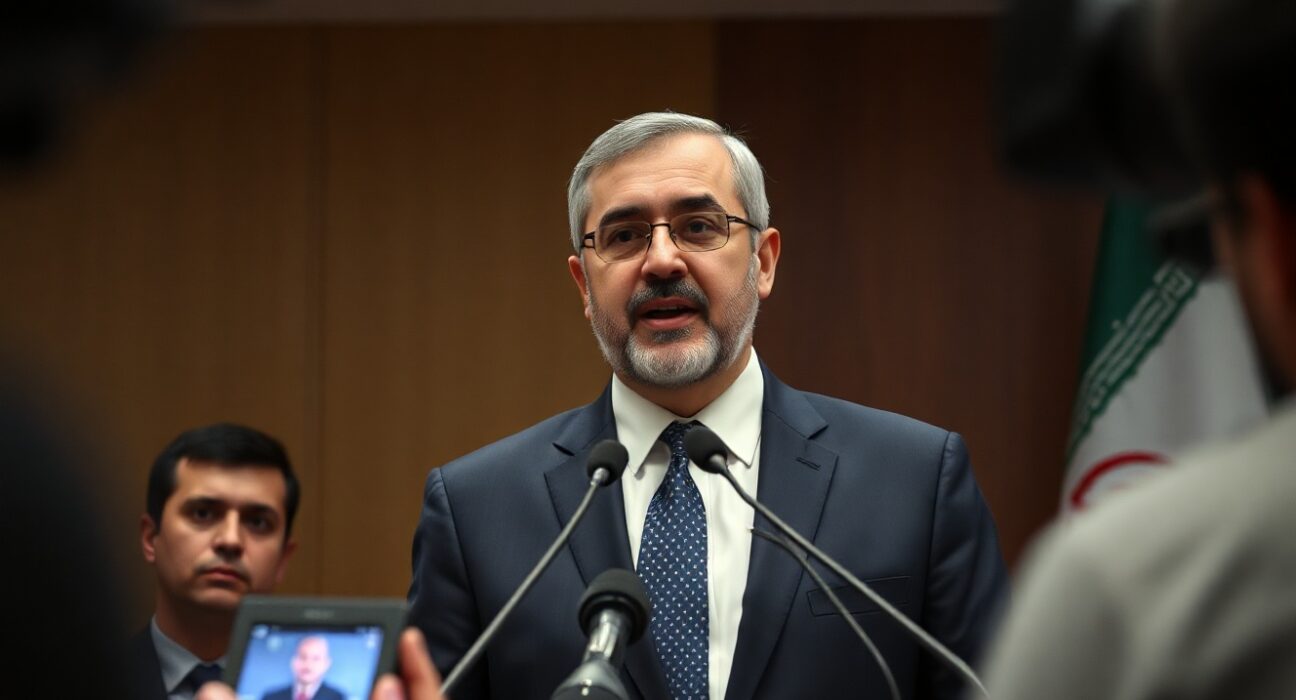
Iran’s Foreign Minister Abbas Araghchi has publicly warned against what he described as escalating threats from the United States, signaling a hardening of Tehran’s diplomatic posture amid renewed friction between the two nations. The remarks, delivered during a press conference in Tehran, come at a time of heightened geopolitical sensitivity in the Middle East, with multiple flashpoints drawing international attention.
Context of the Warning
Araghchi’s statement appears to be a direct response to recent US policy signals, including renewed sanctions and military posturing in the Persian Gulf. While he did not specify exact US actions, his language suggested that Iran views certain American moves as provocative and destabilizing. The warning aligns with Iran’s longstanding position that external pressure will not alter its strategic decisions, particularly regarding its nuclear program and regional alliances.
The timing is significant. Talks over the Joint Comprehensive Plan of Action (JCPOA) remain stalled, and Iran has accelerated its uranium enrichment activities. Meanwhile, the US has maintained a policy of maximum pressure, including sanctions targeting Iranian oil exports and entities linked to the Islamic Revolutionary Guard Corps (IRGC).
Regional and Global Implications
Araghchi’s warning carries weight beyond bilateral relations. Iran’s influence extends across Iraq, Syria, Lebanon, and Yemen, and any escalation with the US risks drawing in regional proxies and allies. Analysts note that the rhetoric from Tehran often serves multiple purposes: signaling resolve to domestic audiences, deterring US action, and rallying support from allied nations such as Russia and China.
International observers are watching closely. The United Nations and European powers have urged restraint, while Israel has voiced support for a tougher US stance. The risk of miscalculation remains high, particularly in the Strait of Hormuz, a critical chokepoint for global oil shipments.
What This Means for Diplomacy
Diplomatic channels between Washington and Tehran remain largely inactive. Araghchi’s warning suggests that Iran is not currently open to direct negotiations under perceived duress. However, backchannel communications through Oman and Qatar have occasionally produced breakthroughs in the past. The coming weeks may determine whether the situation de-escalates or moves toward a more confrontational phase.
For the international community, the key takeaway is that Iran’s foreign policy under Araghchi—a seasoned diplomat who played a central role in the original JCPOA negotiations—remains focused on maintaining leverage. His warning is both a political statement and a strategic signal.
Conclusion
Foreign Minister Araghchi’s public warning against US threats reflects a deepening standoff between Iran and the United States. With diplomatic avenues narrowed and regional tensions simmering, the risk of unintended escalation is real. The situation demands careful monitoring, as both sides appear entrenched in their positions. For now, Tehran has drawn a clear line, and Washington will need to decide how to respond.
FAQs
Q1: What exactly did Iran’s Foreign Minister Araghchi say about US threats?
Araghchi stated that Iran will not back down in the face of US threats and warned that such actions could have consequences. He did not provide specific details but emphasized Iran’s readiness to defend its interests.
Q2: Why are US-Iran tensions rising again?
Tensions have escalated due to stalled nuclear deal negotiations, continued US sanctions, and recent military movements in the Persian Gulf. Both sides have accused each other of provocative actions.
Q3: How might this affect global oil markets?
Any confrontation in the Strait of Hormuz could disrupt oil shipments, potentially driving up prices. Markets are already sensitive to geopolitical risks in the region, and traders are monitoring the situation closely.
Disclaimer: The information provided is not trading advice, Bitcoinworld.co.in holds no liability for any investments made based on the information provided on this page. We strongly recommend independent research and/or consultation with a qualified professional before making any investment decisions.
