

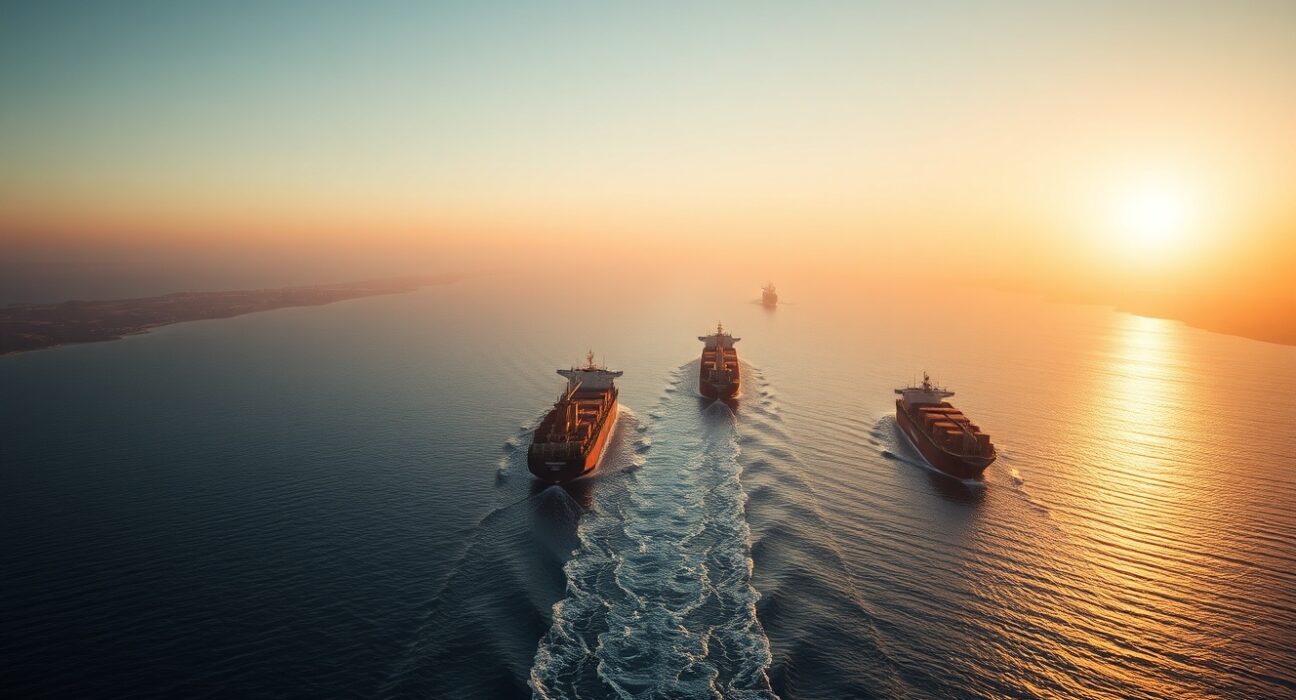
Iran has entered into intensive diplomatic communications aimed at gradually reopening the Strait of Hormuz, according to a report from Al-Hadath. The strategic waterway, a critical chokepoint for approximately 20% of the world’s oil supply, has been at the center of heightened regional tensions in recent months.
Diplomatic Efforts Underway
The report, citing unnamed sources familiar with the discussions, indicates that Iranian officials are engaged in multiple channels of communication with regional and international stakeholders. The goal, according to the sources, is to ensure a phased and controlled reopening that addresses security concerns and stabilizes global energy markets. The precise timeline and conditions of any reopening remain unclear, as negotiations are described as ongoing and sensitive.
Strategic and Economic Implications
The Strait of Hormuz connects the Persian Gulf to the Gulf of Oman and the Arabian Sea. Any prolonged disruption to shipping through this narrow passage has immediate effects on global oil prices and energy security. Analysts have warned that a full closure could lead to supply shortages and price spikes, particularly for economies heavily reliant on Middle Eastern crude. The reported diplomatic push suggests that Iran is seeking to avoid further economic isolation while maintaining leverage in broader regional negotiations.
Why This Matters to Global Markets
For traders, shipping companies, and energy policymakers, the gradual reopening of Hormuz would signal a de-escalation of a key geopolitical risk. Even a partial restoration of normal traffic could help ease recent volatility in crude oil futures. However, the gradual nature of the plan means that full normalization may take weeks or months, leaving markets in a cautious wait-and-see mode.
Conclusion
The reported talks represent a significant development in a region where military posturing has often overshadowed diplomacy. While the outcome remains uncertain, the very existence of these communications offers a potential pathway toward reducing tensions and stabilizing one of the world’s most vital maritime routes. Further updates are expected as negotiations progress.
FAQs
Q1: Why is the Strait of Hormuz important?
The Strait of Hormuz is a narrow waterway through which about one-fifth of the world’s oil passes. It is the most important chokepoint for global crude shipments.
Q2: What does ‘gradually reopen’ mean in this context?
It suggests a phased approach, likely involving limited shipping movements initially, with full normalization contingent on security guarantees and diplomatic agreements.
Q3: Who is involved in the reported communications?
Al-Hadath’s report cites unnamed sources but indicates Iranian officials are in talks with regional and international stakeholders. Specific parties have not been officially confirmed.
Disclaimer: The information provided is not trading advice, Bitcoinworld.co.in holds no liability for any investments made based on the information provided on this page. We strongly recommend independent research and/or consultation with a qualified professional before making any investment decisions.
