

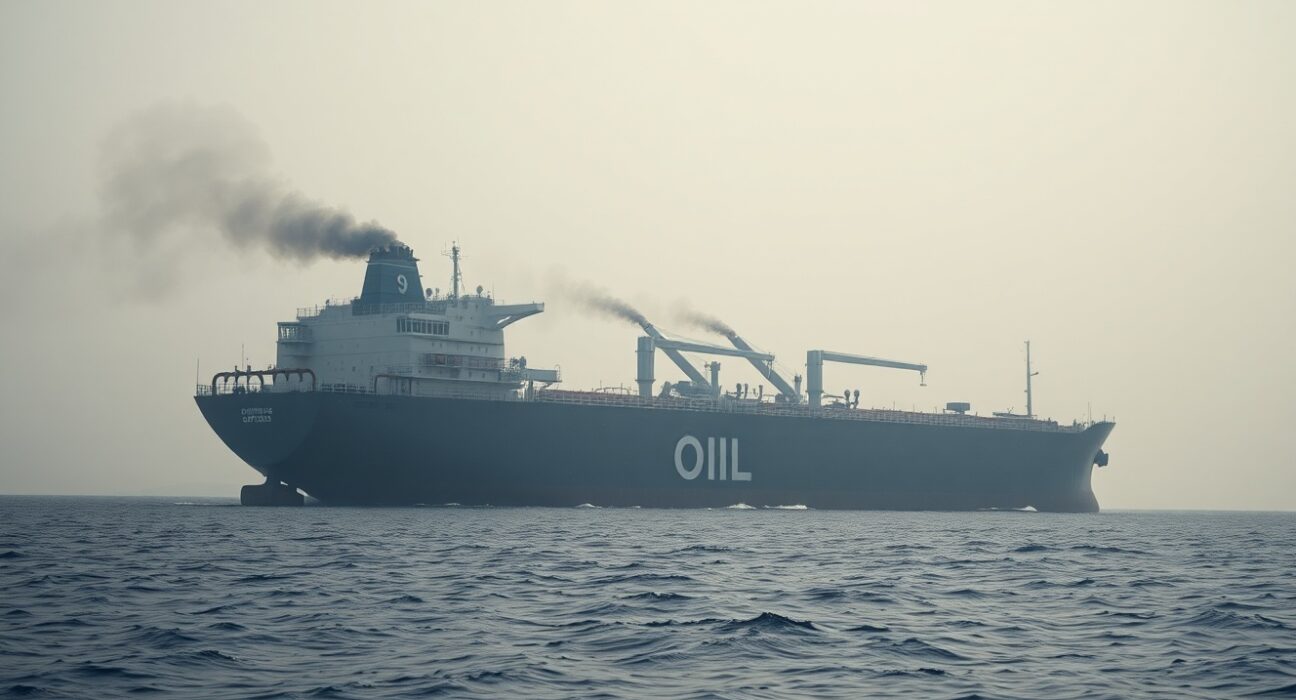
Iran’s Islamic Revolutionary Guard Corps (IRGC) announced on July 14 that it had attacked and destroyed two foreign oil tankers near the Strait of Hormuz, a critical chokepoint for global oil shipments. The IRGC stated the vessels ignored multiple navigation warnings, entered the area illegally, and had turned off their navigation systems, which it said posed a serious threat to maritime safety. In response, the IRGC navy said it took necessary measures under relevant laws, resulting in the destruction of the tankers.
Context and Strategic Importance of the Strait of Hormuz
The Strait of Hormuz, located between Iran and Oman, is one of the world’s most strategically important waterways. Approximately 20% of the world’s oil passes through this narrow passage, making any disruption a direct concern for global energy markets and national security. Iran has long asserted its right to control traffic in its territorial waters, but such aggressive actions have historically drawn international condemnation and raised the risk of broader conflict. The IRGC’s latest claim comes amid heightened tensions in the region, including ongoing disputes over nuclear negotiations and maritime security.
Official Statements and Ongoing Investigation
Iranian authorities emphasized that while they guarantee normal transit through the Strait of Hormuz, they will respond decisively to what they describe as illegal acts threatening regional security. The IRGC did not specify the nationality or names of the tankers involved, nor did it provide independent evidence of the alleged violations. Relevant authorities have launched a further investigation and plan to release more details later. International maritime organizations and affected nations are expected to respond, though no official statements have been issued as of this report.
Implications for Global Energy and Maritime Security
This incident underscores the fragility of energy supply routes in the Persian Gulf. If confirmed, the destruction of two oil tankers could lead to higher insurance premiums for vessels transiting the region, potential rerouting of shipments, and increased military presence by outside powers. For consumers, any sustained disruption could translate into higher oil prices and volatility in energy markets. The situation also tests the limits of international maritime law, which guarantees freedom of navigation but is often challenged by coastal states claiming security exceptions.
Conclusion
The IRGC’s announcement of destroying two foreign oil tankers near the Strait of Hormuz represents a significant escalation in regional tensions. While Iran frames the action as a lawful response to safety violations, the lack of independent verification and the potential for misinterpretation raise serious concerns. The global community will be watching closely for further details and the response from affected nations. This story is developing, and more information is expected as investigations proceed.
FAQs
Q1: What is the Strait of Hormuz and why is it important?
The Strait of Hormuz is a narrow waterway between Iran and Oman through which about 20% of the world’s oil passes. It is a critical chokepoint for global energy supplies.
Q2: What did the IRGC claim happened?
The IRGC said it attacked and destroyed two foreign oil tankers that allegedly ignored navigation warnings, entered illegally, and turned off their navigation systems, posing a threat to maritime safety.
Q3: How might this affect oil prices and global markets?
If confirmed, the attack could lead to higher oil prices due to fears of supply disruption, increased shipping insurance costs, and potential rerouting of tankers away from the region.
Disclaimer: The information provided is not trading advice, Bitcoinworld.co.in holds no liability for any investments made based on the information provided on this page. We strongly recommend independent research and/or consultation with a qualified professional before making any investment decisions.
