

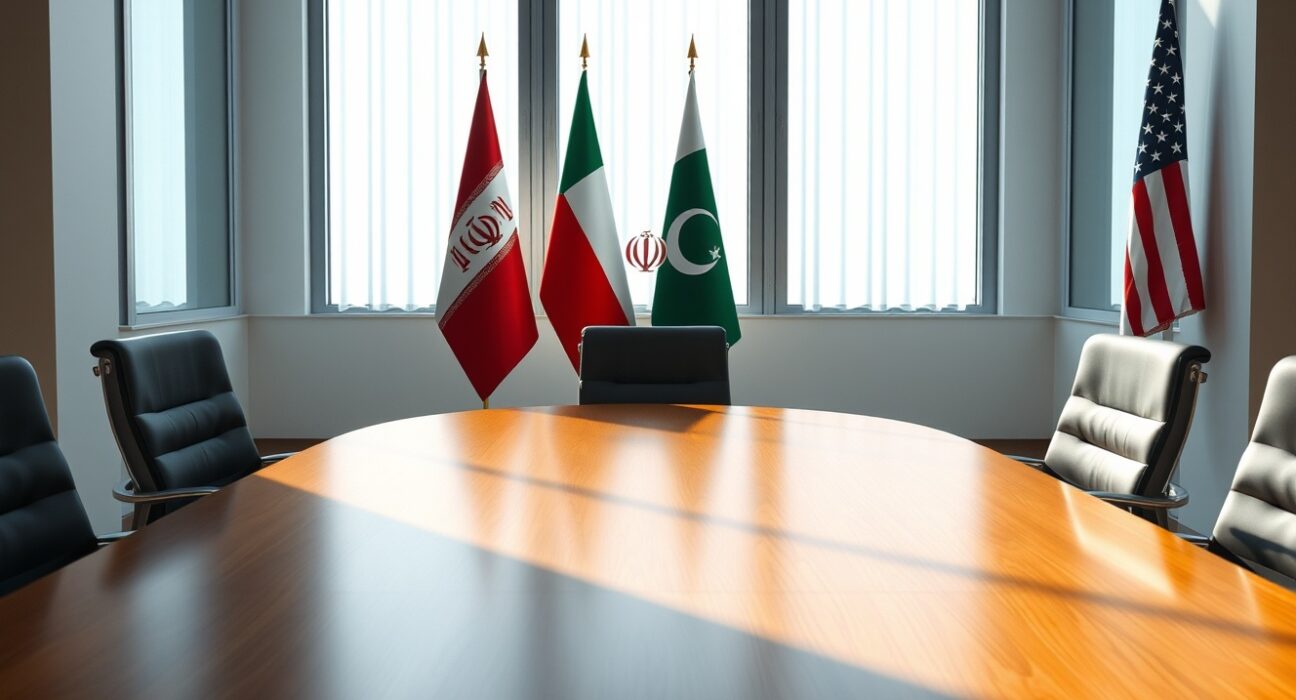
Iran has confirmed that Qatar, Oman, and Pakistan remain actively engaged as mediators in ongoing communications with the United States. The acknowledgment, made by Iranian Foreign Ministry spokesperson Nasser Kanaani during a press briefing, underscores the continued reliance on regional intermediaries to facilitate dialogue between Tehran and Washington amid stalled nuclear negotiations.
Background of Mediation Efforts
The mediation channel involving Qatar, Oman, and Pakistan has been operational for several months, with each nation playing a distinct role. Qatar has historically served as a conduit for indirect talks, leveraging its diplomatic ties with both Iran and the United States. Oman, known for its neutral stance in regional conflicts, has facilitated backchannel communications, while Pakistan has offered its services as a trusted intermediary with influence in both the Persian Gulf and South Asian contexts.
These efforts gained renewed urgency after the collapse of the 2015 Joint Comprehensive Plan of Action (JCPOA) and the subsequent failure of multiple rounds of negotiations in Vienna. The current mediation aims to explore pathways for de-escalation, potential prisoner exchanges, and a framework for renewed nuclear talks.
Why Mediation Matters Now
The confirmation comes at a critical juncture. Iran’s nuclear program has advanced significantly, with the International Atomic Energy Agency (IAEA) reporting uranium enrichment levels approaching weapons-grade thresholds. The United States, under the Biden administration, has signaled a willingness to engage diplomatically but insists on verifiable compliance from Tehran. Meanwhile, regional tensions remain high due to ongoing conflicts in Gaza and Yemen, as well as Iran’s military support for proxy groups across the Middle East.
For the mediating nations, success would bolster their diplomatic standing and demonstrate their ability to manage high-stakes negotiations. Failure, however, risks further escalation, including potential military confrontation or renewed sanctions.
Regional and Global Implications
The involvement of Pakistan adds a new dimension to the mediation landscape. Unlike Qatar and Oman, Pakistan has a complex relationship with both Iran and the United States, balancing economic ties with Tehran and security cooperation with Washington. Islamabad’s participation may signal a broader effort to include South Asian perspectives in Middle Eastern diplomacy.
Market observers are also watching closely. Any signs of progress in US-Iran talks could affect global oil prices, as Iran holds significant crude reserves and could potentially return to international markets if sanctions are lifted. Conversely, a breakdown in mediation could increase geopolitical risk premiums.
Conclusion
Iran’s public acknowledgment of the mediation channel reaffirms that diplomatic backchannels remain active, even as formal negotiations remain frozen. The role of Qatar, Oman, and Pakistan highlights the importance of regional intermediaries in bridging gaps between Tehran and Washington. Whether these efforts lead to tangible progress or merely serve as a holding pattern remains uncertain, but the continued engagement signals that both sides see value in keeping lines of communication open.
FAQs
Q1: Why are Qatar, Oman, and Pakistan mediating between Iran and the US?
These nations have established diplomatic relationships with both Iran and the United States, making them credible intermediaries. Qatar and Oman have historically facilitated backchannel talks, while Pakistan offers additional regional influence.
Q2: What is the current status of US-Iran nuclear negotiations?
Formal negotiations under the JCPOA framework have stalled since 2022. Mediation efforts are focused on de-escalation and exploring conditions for renewed talks.
Q3: How could these mediation efforts affect global oil markets?
If mediation leads to a thaw in relations and potential sanctions relief, Iran could increase oil exports, potentially lowering global prices. Conversely, failure could increase geopolitical tensions and support higher oil prices.
Disclaimer: The information provided is not trading advice, Bitcoinworld.co.in holds no liability for any investments made based on the information provided on this page. We strongly recommend independent research and/or consultation with a qualified professional before making any investment decisions.
