

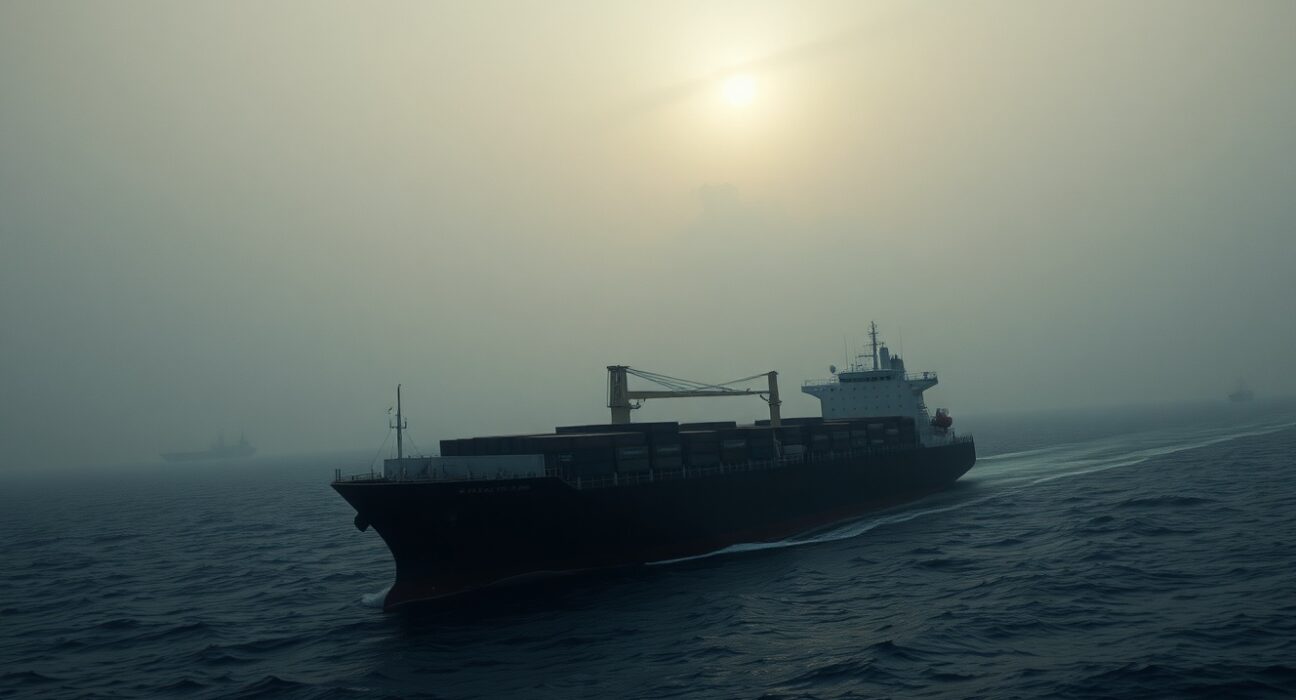
Iran has fired at least two missiles at merchant ships in the Strait of Hormuz, striking two vessels and causing serious damage, according to a U.S. official cited by Axios. No casualties have been reported in the incident, which marks a significant escalation in maritime tensions in one of the world’s most critical oil transit chokepoints.
Details of the Attack
The attack occurred in the Strait of Hormuz, a narrow waterway between the Persian Gulf and the Gulf of Oman through which approximately 20% of the world’s oil passes. The U.S. official, speaking on condition of anonymity, confirmed that two merchant ships were hit by missiles launched from Iranian positions. The extent of the damage to the vessels has not been fully disclosed, but initial reports describe it as serious. Crew members are reportedly safe, and no fatalities have been confirmed.
Strategic and Economic Implications
The Strait of Hormuz is a vital artery for global energy supplies. Any disruption to shipping there can trigger spikes in oil prices and affect global supply chains. This incident follows a pattern of heightened military activity in the region, including previous seizures of commercial vessels by Iranian forces and tit-for-tat strikes between Iran and its adversaries. The attack could further destabilize an already tense geopolitical environment, with potential repercussions for international maritime law and the security of commercial shipping lanes.
What This Means for Global Trade
For the shipping industry, the attack underscores the growing risks of operating in the Persian Gulf. Insurance premiums for vessels transiting the Strait of Hormuz may rise, and shipping companies could seek alternative, though longer, routes. Oil markets are likely to react with increased volatility, as traders price in the risk of further disruptions. The incident also raises questions about the effectiveness of international naval patrols in the region, including those led by the United States and its allies.
Conclusion
The missile strike on two merchant ships in the Strait of Hormuz represents a serious escalation in regional tensions. While no casualties have been reported, the damage to the vessels and the strategic location of the attack highlight the fragile nature of maritime security in the region. The international community will be closely monitoring Iran’s next moves and the response from global naval forces. This story is developing, and further details are expected as investigations continue.
FAQs
Q1: What is the Strait of Hormuz and why is it important?
The Strait of Hormuz is a narrow waterway connecting the Persian Gulf to the Gulf of Oman. It is a critical chokepoint for global oil shipments, with about 20% of the world’s petroleum passing through it daily.
Q2: Has Iran attacked merchant ships before?
Yes, Iran has been involved in several incidents in the region, including the seizure of commercial vessels and attacks on tankers, often in the context of broader geopolitical tensions with the U.S. and its allies.
Q3: What are the potential consequences of this attack?
The attack could lead to higher insurance costs for ships transiting the Strait, increased volatility in oil prices, and a potential military response from affected nations or international coalitions. It also raises concerns about the safety of global trade routes.
Disclaimer: The information provided is not trading advice, Bitcoinworld.co.in holds no liability for any investments made based on the information provided on this page. We strongly recommend independent research and/or consultation with a qualified professional before making any investment decisions.
