

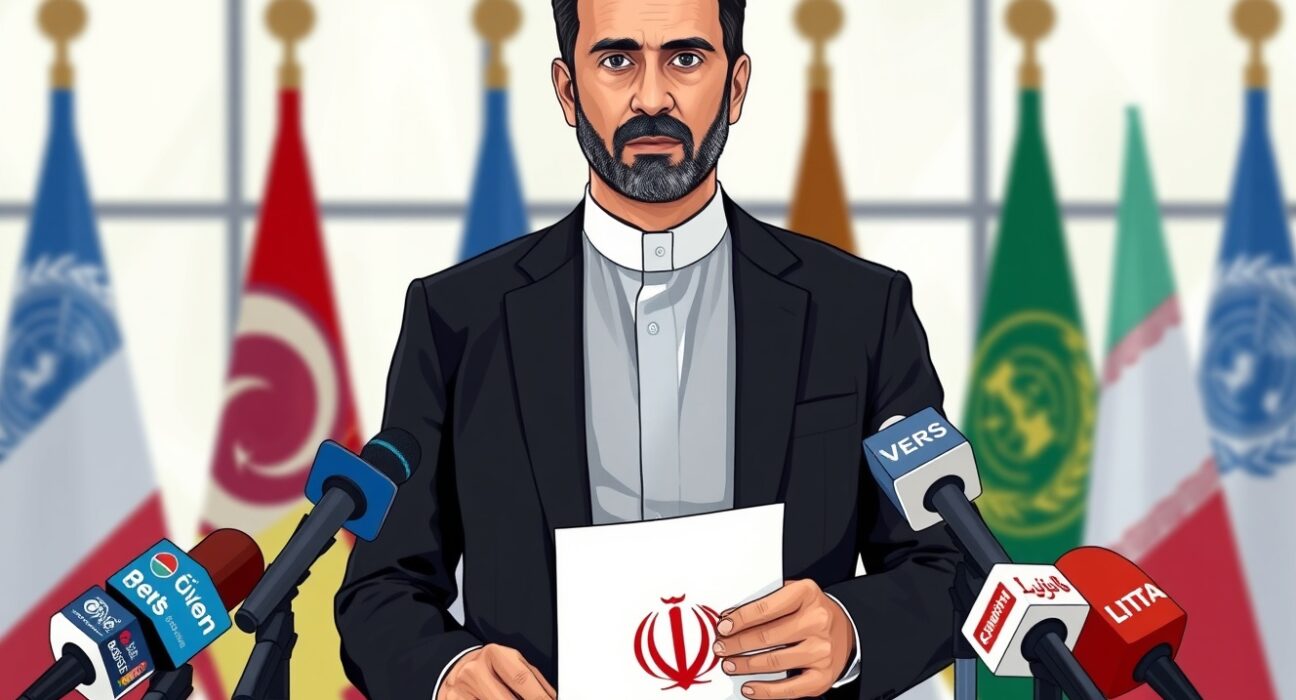
TEHRAN, Iran – March 2025: Iranian officials have categorically denied recent international media reports suggesting the country might abandon its nuclear development program, creating renewed diplomatic tensions during critical negotiation periods. This denial comes amid ongoing discussions about the Joint Comprehensive Plan of Action (JCPOA) and regional security arrangements that have dominated Middle Eastern geopolitics for over two decades.
Iran Nuclear Program: Official Denials and Diplomatic Context
The Iranian Foreign Ministry issued a formal statement rejecting what it called “baseless speculation” about potential nuclear program concessions. Ministry spokesperson Nasser Kanaani emphasized Iran’s consistent position during a press briefing in Tehran. “Our nuclear activities remain entirely peaceful and within international frameworks,” Kanaani stated firmly. He continued by asserting Iran’s sovereign rights under the Nuclear Non-Proliferation Treaty (NPT).
Diplomatic analysts note this denial follows weeks of indirect negotiations between Iranian and Western officials. These discussions have focused on reviving the 2015 nuclear agreement. However, significant disagreements persist about uranium enrichment levels and verification mechanisms. The International Atomic Energy Agency (IAEA) continues monitoring Iranian nuclear facilities regularly. Their latest quarterly report indicates specific technical developments.
Historical Background and Current Negotiation Status
Iran’s nuclear program began in the 1950s with assistance from the United States under the Atoms for Peace program. The program evolved significantly following the 1979 Islamic Revolution. By the early 2000s, Western intelligence agencies expressed concerns about possible military dimensions. Consequently, the United Nations Security Council imposed multiple sanctions resolutions.
The 2015 JCPOA agreement established specific limitations:
- Uranium enrichment capped at 3.67% purity
- Stockpile limits of 300 kilograms of low-enriched uranium
- Reduced centrifuges to 5,060 first-generation machines
- Enhanced monitoring by IAEA inspectors
The United States withdrew from the agreement in 2018 under the Trump administration. Iran subsequently began exceeding JCPOA limits starting in 2019. Current negotiations involve multiple parties including European Union mediators.
Regional Security Implications and Expert Analysis
Middle East security experts emphasize the broader implications of Iran’s nuclear stance. Dr. Amina Al-Jabiri, a regional security analyst at the Gulf Research Center, explains the strategic calculations. “Iran views its nuclear capabilities as both a deterrent and a bargaining chip,” she notes. “The program represents technological sovereignty and regional influence.”
Neighboring countries have expressed consistent concerns about nuclear proliferation. Israel maintains its long-stated position regarding Iranian nuclear activities. Saudi Arabia and other Gulf states have called for inclusive regional security arrangements. These dynamics create complex diplomatic challenges for international mediators.
The economic dimension remains equally significant. Sanctions relief represents a major incentive for Iranian negotiators. The country’s economy has faced substantial pressure from international restrictions. However, nuclear concessions involve sensitive domestic political considerations for Iranian leadership.
Technical Developments and Verification Challenges
IAEA reports document specific technical advancements in Iran’s nuclear infrastructure. The country has installed advanced centrifuges at various facilities. These machines can enrich uranium more efficiently than previous models. Iranian officials maintain all activities serve peaceful energy and medical purposes.
Verification mechanisms represent another critical negotiation point. The original JCPOA included extensive monitoring provisions. Current discussions focus on camera access and data collection protocols. Technical experts emphasize the importance of robust verification systems. These systems ensure compliance and build international confidence.
Nuclear fuel cycle activities continue at declared facilities. The IAEA regularly confirms the peaceful nature of declared activities. However, questions persist about possible undeclared locations. These questions stem from historical concerns rather than current evidence.
International Reactions and Diplomatic Next Steps
European Union foreign policy chief Josep Borrell commented on the negotiation status recently. “All parties remain engaged in the process,” he stated cautiously. “We continue working toward mutual return to compliance.” American officials have adopted similarly measured language during recent briefings.
Regional powers have expressed varying positions. Turkish officials called for diplomatic solutions through dialogue. Egyptian representatives emphasized the importance of Middle East nuclear-free zones. Russian and Chinese diplomats continue supporting Iranian positions regarding sovereign rights.
The negotiation process involves multiple working groups addressing different issues. These groups meet regularly in Vienna and other neutral locations. Technical experts participate alongside diplomatic representatives. This structure allows detailed discussion of complex nuclear matters.
Conclusion
Iran’s denial of nuclear program abandonment reports reflects enduring diplomatic positions. The Iranian nuclear program remains central to regional security discussions. Negotiations continue despite significant challenges and differing perspectives. All parties recognize the high stakes involved in these discussions. The international community watches developments closely as diplomatic efforts proceed. The Iranian nuclear program will likely remain a defining issue in Middle Eastern geopolitics throughout 2025 and beyond.
FAQs
Q1: What exactly did Iran deny regarding its nuclear program?
Iran denied international media reports suggesting the country might abandon its nuclear development program entirely. Officials characterized these reports as “baseless speculation” and reaffirmed Iran’s commitment to peaceful nuclear activities under international treaties.
Q2: What is the current status of JCPOA negotiations?
Negotiations continue through European Union mediation with working groups addressing technical and sanctions-related issues. Parties remain engaged but significant disagreements persist about verification mechanisms and uranium enrichment levels.
Q3: How has Iran’s nuclear program changed since the US withdrawal from JCPOA?
Iran has exceeded JCPOA limits on uranium enrichment purity and stockpile quantities since 2019. The country has installed more advanced centrifuges and expanded some nuclear infrastructure while maintaining all activities serve peaceful purposes.
Q4: What are the main concerns of neighboring countries about Iran’s nuclear program?
Regional neighbors express concerns about nuclear proliferation, regional security imbalances, and verification transparency. Some countries worry about potential military dimensions despite Iranian assurances of peaceful intentions.
Q5: How does the IAEA monitor Iran’s nuclear activities?
The International Atomic Energy Agency maintains continuous monitoring at declared nuclear facilities using cameras, seals, and inspector visits. The agency issues regular reports on compliance and technical developments while seeking clarification on historical questions.
Disclaimer: The information provided is not trading advice, Bitcoinworld.co.in holds no liability for any investments made based on the information provided on this page. We strongly recommend independent research and/or consultation with a qualified professional before making any investment decisions.
