

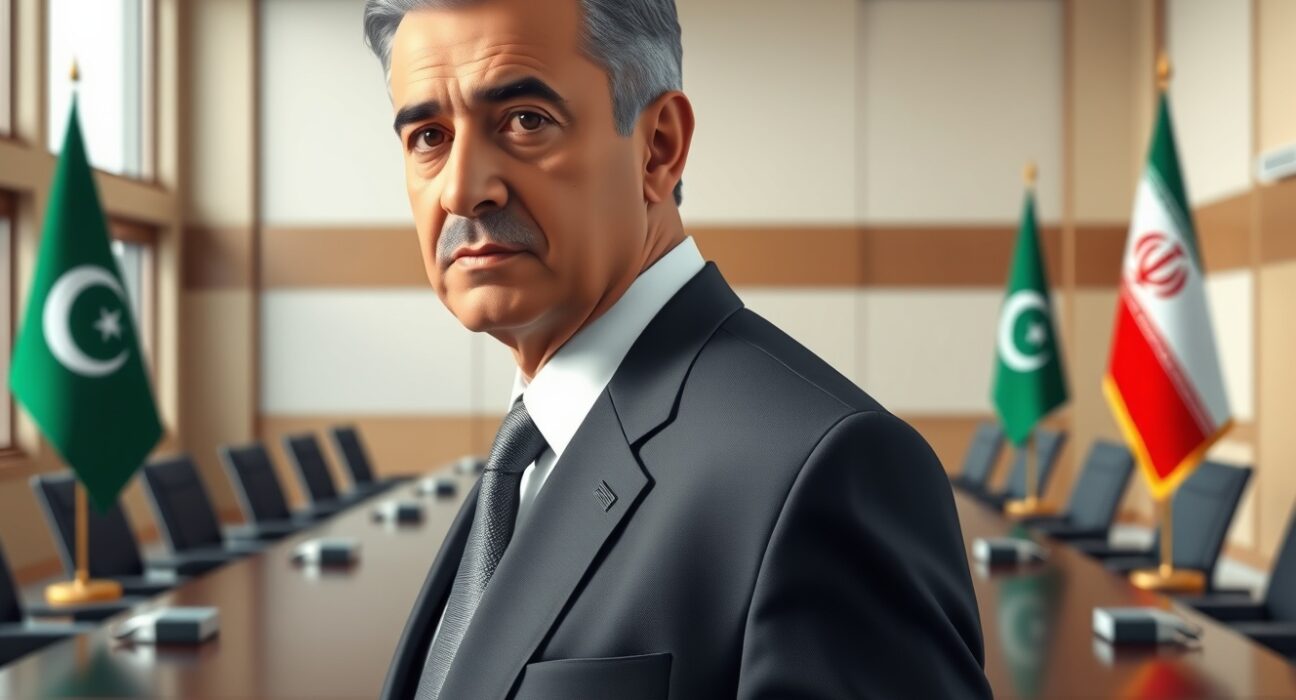
ISLAMABAD, Pakistan – March 15, 2025: A senior Iranian official has declared Tehran may participate in crucial diplomatic talks hosted by Pakistan, but only if the United States abandons its longstanding pressure policy against the Islamic Republic. This significant statement emerges during a period of heightened regional tension and represents a potential diplomatic opening in complex multilateral relations. The Iran Pakistan talks proposal comes as regional stakeholders seek stability amid ongoing challenges.
Iran Pakistan Talks: The Conditional Diplomatic Offer
The Iranian position represents a calculated diplomatic maneuver. Consequently, Tehran links its participation directly to Washington’s policy adjustments. This conditional approach reflects Iran’s strategic calculus in regional negotiations. Moreover, Pakistan’s role as mediator gains importance in this delicate equation. The proposed talks would address multiple regional security concerns simultaneously.
Historically, Iran has engaged in similar diplomatic channels through various intermediaries. For instance, Oman previously facilitated backchannel communications between Tehran and Western powers. Similarly, Qatar has hosted indirect negotiations regarding nuclear matters. However, Pakistan’s geographic and political position offers unique advantages for regional dialogue.
Understanding the US Pressure Policy Framework
The United States has maintained a comprehensive pressure strategy toward Iran for decades. This policy incorporates multiple dimensions of economic and diplomatic measures. Specifically, the framework includes several key components:
- Economic Sanctions: Comprehensive restrictions on Iranian oil exports and financial transactions
- Diplomatic Isolation: Efforts to limit Iran’s international engagements and partnerships
- Military Deterrence: Strategic positioning of assets and regional security partnerships
- Technology Restrictions: Controls on dual-use technologies and nuclear-related materials
These measures have evolved through multiple US administrations with varying intensity. Furthermore, the policy’s implementation has produced significant regional consequences. Regional analysts note the pressure approach has influenced Iran’s domestic and foreign policy decisions substantially.
Expert Analysis: Regional Implications
Dr. Fatima Al-Mansoori, a Middle East security specialist at the Gulf Research Center, provides critical context. “Iran’s conditional participation offer represents strategic positioning rather than outright rejection,” she explains. “Tehran seeks negotiating leverage while acknowledging Pakistan’s growing regional diplomatic role.”
Additionally, the timing coincides with several regional developments. Pakistan recently enhanced its diplomatic engagements with Gulf Cooperation Council members. Simultaneously, Iran has pursued economic partnerships with neighboring states despite sanctions. These parallel developments create a complex diplomatic landscape for potential negotiations.
Pakistan’s Evolving Regional Diplomatic Role
Islamabad has increasingly positioned itself as a potential mediator in regional disputes. Pakistan maintains historical ties with both Iran and Gulf Arab states. Moreover, the country shares significant cultural and religious connections across the region. This unique position enables potential bridging functions in complex negotiations.
Recent diplomatic initiatives demonstrate Pakistan’s growing confidence. The country hosted successful talks between Afghan factions last year. Similarly, Pakistani officials have facilitated communications between various Middle Eastern stakeholders. These experiences provide valuable diplomatic capital for potential Iran-focused negotiations.
The following table illustrates Pakistan’s recent mediation efforts:
| Year | Parties Involved | Outcome |
|---|---|---|
| 2023 | Afghan political factions | Framework agreement signed |
| 2024 | UAE and Yemeni groups | Humanitarian corridor established |
| 2024 | Central Asian water disputes | Technical committee formed |
Historical Context: US-Iran Relations Timeline
The current diplomatic situation emerges from decades of complex relations. Understanding this history provides essential context for the proposed talks. Key developments have shaped the current diplomatic landscape significantly.
In 2015, world powers and Iran reached the Joint Comprehensive Plan of Action. This nuclear agreement represented a major diplomatic achievement. However, the United States withdrew from the agreement in 2018. Subsequently, Washington reimposed comprehensive sanctions against Tehran.
Since that time, indirect negotiations have occurred through European intermediaries. Additionally, regional tensions have fluctuated with various incidents. These include maritime security incidents and proxy conflicts. The proposed Pakistan talks represent a potential new channel for communication.
Economic Dimensions and Regional Impact
The US pressure policy has produced substantial economic consequences. Iran’s economy has faced significant challenges due to sanctions. However, the country has developed alternative economic partnerships. These include strengthened ties with China and regional neighbors.
Regional economies have also experienced secondary effects. Gulf Arab states have balanced economic engagement with security concerns. Similarly, South Asian nations have navigated complex energy relationships. Pakistan itself has maintained economic ties with Iran despite sanctions pressures.
Potential Pathways Forward
The conditional nature of Iran’s offer creates several possible scenarios. Diplomatic experts identify multiple potential development paths. Each pathway carries distinct implications for regional stability.
First, the United States could adjust certain pressure policy elements. This might involve sanction relief in specific sectors. Alternatively, Washington might offer diplomatic assurances regarding regional security. Such moves could facilitate Iran’s participation in Pakistan-hosted talks.
Second, Pakistan might propose confidence-building measures. These could include technical working groups or expert exchanges. Such incremental approaches have succeeded in previous regional negotiations. They allow parties to build trust gradually before addressing core disputes.
Third, regional partners might create multilateral frameworks. Gulf Cooperation Council members could participate alongside Iran. This approach would address broader regional security concerns simultaneously. However, it requires careful diplomatic preparation and coordination.
Conclusion
The Iranian official’s statement regarding potential Iran Pakistan talks represents a significant diplomatic development. Tehran’s conditional position links participation directly to US policy adjustments. This approach reflects strategic calculation amid complex regional dynamics. Pakistan’s evolving mediation role adds an important dimension to potential negotiations. Regional stability may benefit from constructive dialogue channels. However, substantive progress requires careful diplomatic navigation. The proposed talks could offer pathways toward reduced tensions if stakeholders demonstrate flexibility. Ultimately, the Iran Pakistan talks proposal highlights ongoing efforts to address regional challenges through diplomacy rather than confrontation.
FAQs
Q1: What specific US policy changes does Iran demand?
Iran seeks an end to what it terms the “maximum pressure” policy, particularly regarding economic sanctions and diplomatic isolation efforts. Tehran has not specified whether it requires complete policy abandonment or specific adjustments.
Q2: What topics would the Pakistan talks address?
While agenda details remain unspecified, regional analysts expect discussions would cover security concerns, economic cooperation, and potentially nuclear-related issues. The talks would likely address bilateral and multilateral regional matters.
Q3: How has Pakistan previously mediated regional disputes?
Pakistan has facilitated talks between Afghan factions, assisted in Yemen humanitarian negotiations, and mediated Central Asian resource disputes. These experiences provide relevant diplomatic expertise for potential Iran-focused negotiations.
Q4: What is the current status of US-Iran relations?
Relations remain strained with limited direct communication. The countries maintain opposing positions on multiple regional issues. However, indirect negotiations through European intermediaries have occurred periodically.
Q5: How have regional countries responded to this development?
Regional responses have been cautious but attentive. Gulf Arab states monitor developments closely given their security implications. Other regional powers recognize Pakistan’s potential bridging role in complex diplomatic landscapes.
Disclaimer: The information provided is not trading advice, Bitcoinworld.co.in holds no liability for any investments made based on the information provided on this page. We strongly recommend independent research and/or consultation with a qualified professional before making any investment decisions.
