
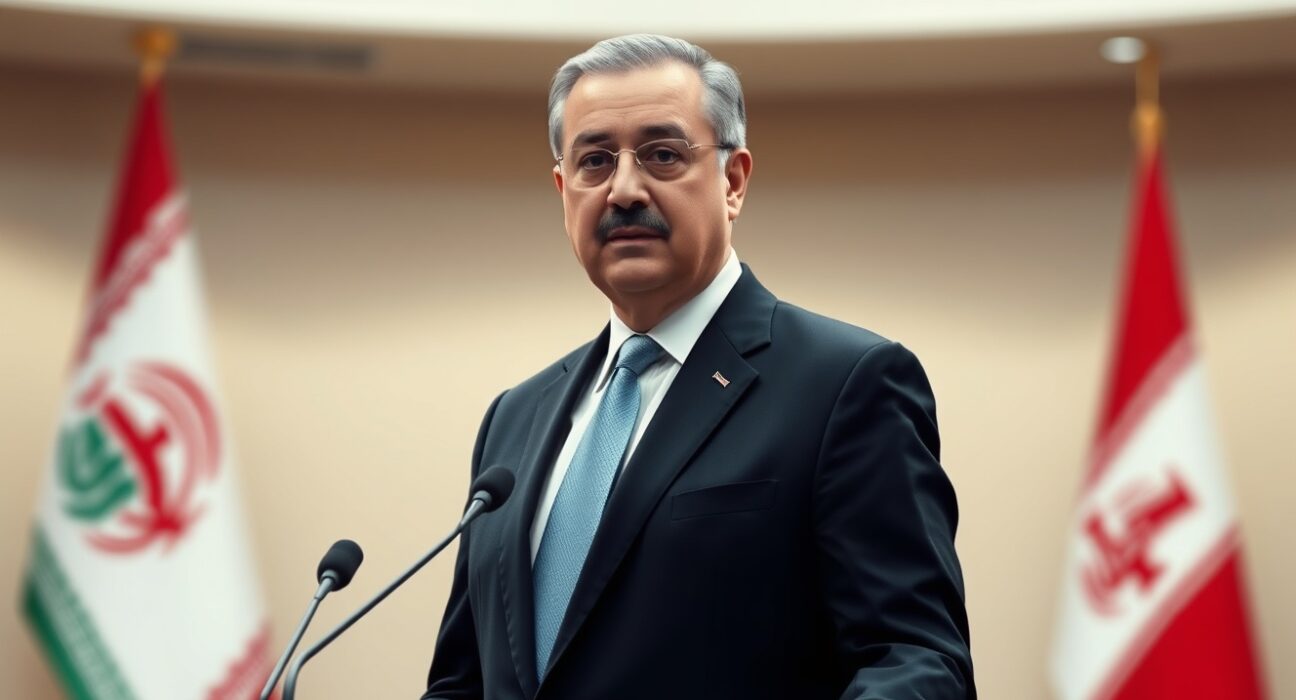
TEHRAN, Iran – Iranian President Masoud Pezeshkian delivered a stark diplomatic assessment this week, declaring that recent attacks on Lebanon have rendered ongoing ceasefire negotiations essentially meaningless. The statement, made during a high-level security briefing, signals a significant hardening of Iran’s position regarding regional stability efforts. Consequently, this development threatens to unravel months of delicate diplomatic work aimed at de-escalating tensions across the Middle East. President Pezeshkian’s remarks directly address the fragile security situation that has persisted through 2024 and into 2025.
Iran’s President Pezeshkian Outlines Diplomatic Stance
President Masoud Pezeshkian articulated Iran’s official position with clear precision. He stated that military actions targeting Lebanese territory fundamentally undermine the foundation of any dialogue. Furthermore, his administration views these attacks as a direct challenge to regional sovereignty. The Iranian leader emphasized that negotiations cannot proceed constructively while one party engages in hostile acts. This principle forms the cornerstone of Tehran’s current foreign policy approach. Historical context shows Iran has consistently advocated for Lebanese stability. Therefore, recent events represent a significant departure from established diplomatic norms.
Regional analysts immediately noted the statement’s timing and tone. For instance, it follows increased cross-border incidents reported by international monitors. The United Nations documented several concerning developments throughout late 2024. These include:
- Aerial incursions violating established airspace agreements
- Artillery exchanges along disputed border regions
- Naval movements creating tension in Eastern Mediterranean waters
Diplomatic sources confirm that ceasefire talks had reached a preliminary framework stage. However, President Pezeshkian’s declaration suggests that framework now faces collapse. The Iranian Ministry of Foreign Affairs subsequently circulated a formal diplomatic note to relevant parties. This document outlines Tehran’s revised position in greater detail.
Lebanon’s Security Situation and Regional Impacts
Lebanon continues to navigate complex political and security challenges. The country’s fragile government coalition maintains a delicate balance between various factions. Recent attacks have exacerbated existing tensions within this already volatile environment. Security experts note that Lebanon’s military capabilities remain limited compared to regional powers. Therefore, the nation relies heavily on diplomatic protection and international agreements.
The economic consequences of renewed instability could prove severe. Lebanon’s financial system has shown tentative signs of recovery throughout 2024. However, renewed conflict threatens to reverse these fragile gains. The following table illustrates key economic indicators that face immediate risk:
| Economic Indicator | 2024 Status | Potential 2025 Impact |
|---|---|---|
| Tourism Revenue | Growing 15% annually | Could decline 40-60% |
| Currency Stability | Moderate improvement | High risk of depreciation |
| Foreign Investment | Initial interest returning | Likely complete withdrawal |
| Humanitarian Aid Flow | Adequate for current needs | May require 300% increase |
Regional neighbors express growing concern about potential spillover effects. Syria, Israel, and Jordan all share borders with Lebanon. Consequently, their security establishments have elevated alert levels accordingly. The European Union issued a statement urging restraint from all involved parties. Meanwhile, the United States continues diplomatic outreach through backchannel communications.
Expert Analysis of Ceasefire Negotiations
Middle East policy specialists provide crucial context for understanding these developments. Dr. Amina Farhoud, Senior Fellow at the Regional Security Institute, explains the negotiation dynamics. “Ceasefire agreements require mutual recognition of basic principles,” she notes. “When military actions continue during talks, they destroy the fundamental trust necessary for progress.” Dr. Farhoud has studied Middle East conflict resolution for twenty-five years. Her assessment carries significant weight within diplomatic circles.
Historical precedent supports President Pezeshkian’s position according to some analysts. The 2006 Lebanon War ceasefire faced similar challenges during its negotiation phase. That agreement ultimately succeeded only after a complete cessation of hostilities. Current negotiations appear to lack this fundamental prerequisite. International mediators continue working to establish clearer communication channels. However, recent events have complicated these efforts substantially.
Iran’s Regional Strategy and Diplomatic Calculations
Iran’s foreign policy operates within a complex regional framework. The nation maintains strategic relationships with various actors across the Middle East. Lebanon represents a particularly important component of this network. Tehran has invested significant diplomatic capital in supporting Lebanese sovereignty. Therefore, attacks on Lebanese territory directly challenge Iranian interests. President Pezeshkian’s statement reflects this strategic reality.
The Iranian administration faces domestic political considerations as well. Hardline factions within Iran’s political establishment advocate for stronger responses to regional threats. President Pezeshkian must balance these pressures with practical diplomatic objectives. His statement achieves several simultaneous goals:
- Reaffirms Iran’s commitment to regional allies
- Establishes clear boundaries for acceptable negotiation conduct
- Signals resolve to domestic political audiences
- Creates diplomatic space for alternative approaches
Military analysts note that Iran possesses multiple response options. These range from diplomatic measures to more direct military support for allies. However, most experts believe Tehran will initially pursue diplomatic channels. The coming weeks will reveal whether other parties adjust their behavior accordingly.
International Response and Future Scenarios
The global community reacts with measured concern to these developments. United Nations Secretary-General issues a call for immediate de-escalation. He emphasizes that dialogue represents the only sustainable path forward. European foreign ministers coordinate their response through established diplomatic mechanisms. Meanwhile, Russia and China urge restraint while avoiding direct condemnation of any specific party.
Several potential scenarios could emerge from the current impasse. The most optimistic outcome involves a rapid de-escalation and return to negotiations. A more concerning possibility features continued low-level conflict without formal engagement. The worst-case scenario involves significant military escalation drawing in multiple regional actors. Risk assessment models currently assign probabilities as follows:
- Scenario 1 (De-escalation): 35% probability – Requires immediate confidence-building measures
- Scenario 2 (Stalemate): 45% probability – Features continued tension without major conflict
- Scenario 3 (Escalation): 20% probability – Involves significant military engagement
Economic markets react cautiously to the developing situation. Oil prices experience moderate volatility as traders assess supply chain risks. Regional stock markets show slight declines, particularly in sectors sensitive to geopolitical stability. International airlines adjust flight paths as a precautionary measure. Insurance premiums for Mediterranean shipping routes increase by approximately 8%.
Conclusion
President Masoud Pezeshkian’s declaration regarding Lebanon attacks and ceasefire negotiations marks a pivotal moment in Middle East diplomacy. The statement reflects Iran’s assessment that current conditions cannot support meaningful dialogue. Consequently, regional stability faces renewed uncertainty as diplomatic channels constrict. The international community must now navigate complex challenges to prevent further escalation. Ultimately, the path forward requires all parties to recognize that sustainable peace demands genuine commitment to negotiation principles. Iran’s position, as articulated by President Pezeshkian, establishes clear parameters for any future diplomatic engagement regarding Lebanon and regional security.
FAQs
Q1: What specifically did Iran’s President Pezeshkian say about ceasefire negotiations?
President Pezeshkian declared that recent attacks on Lebanese territory have rendered ongoing ceasefire negotiations essentially meaningless, stating that negotiations cannot proceed constructively while military actions continue against a negotiation partner.
Q2: How have other countries responded to Iran’s position on Lebanon?
The international response features calls for restraint from the United Nations, coordinated diplomatic outreach from European nations, and cautious statements from global powers including the United States, Russia, and China, all urging de-escalation while avoiding direct condemnation of specific parties.
Q3: What are the potential economic impacts on Lebanon from this situation?
Lebanon faces significant economic risks including potential 40-60% declines in tourism revenue, currency instability, withdrawal of foreign investment, and increased need for humanitarian aid that could require 300% more resources than currently allocated.
Q4: How does this development affect regional security in the Middle East?
The situation increases regional tension with neighboring countries like Syria, Israel, and Jordan elevating their security alert levels, while creating potential for conflict spillover that could draw in multiple regional actors and complicate existing diplomatic relationships.
Q5: What historical context helps explain Iran’s position on Lebanon?
Iran has consistently advocated for Lebanese sovereignty and maintains strategic relationships in the country, with historical precedent showing that successful ceasefire agreements like the 2006 Lebanon War accord required complete cessation of hostilities before meaningful negotiations could proceed.
Disclaimer: The information provided is not trading advice, Bitcoinworld.co.in holds no liability for any investments made based on the information provided on this page. We strongly recommend independent research and/or consultation with a qualified professional before making any investment decisions.