
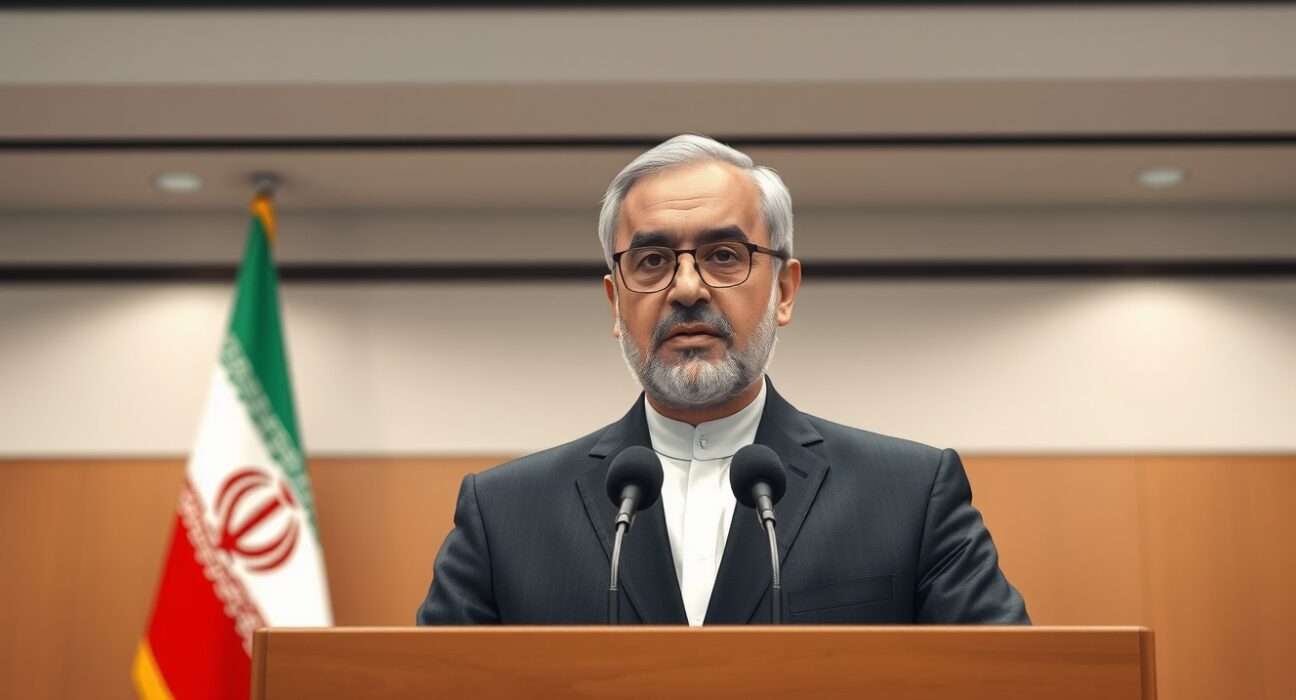
TEHRAN, Iran – In a significant diplomatic development, Iranian officials have firmly rejected a 15-point proposal from the United States, characterizing the plan as overly ambitious and fundamentally illogical. Foreign Ministry spokesperson Nasser Kanaani delivered this pointed criticism through Iran’s state-run IRNA news agency, revealing that Tehran has simultaneously finalized its own set of demands for regional negotiations. This rejection marks another chapter in the complex relationship between Washington and Tehran, occurring against a backdrop of ongoing regional conflicts and delicate diplomatic maneuvering.
Iran Criticizes US Diplomatic Proposal
According to official statements from Tehran, the United States transmitted its 15-point framework through intermediary nations, including Pakistan. The proposal reportedly addresses multiple regional security concerns and represents Washington’s latest attempt to engage Iran diplomatically. However, Iranian authorities immediately identified what they perceive as fundamental flaws in the American approach.
Foreign Ministry spokesperson Nasser Kanaani articulated Iran’s position clearly. He stated that the U.S. plan demonstrates unrealistic expectations about regional dynamics. Furthermore, he emphasized that Tehran has completed its own comprehensive framework for negotiations. Iranian officials will disclose their demands selectively and strategically, refusing to operate on external timetables.
The diplomatic exchange occurs within a specific historical context. Relations between Iran and the United States have remained strained since the 1979 Islamic Revolution. Additionally, the 2015 nuclear deal (JCPOA) collapse in 2018 created new complications. Recent regional conflicts have increased pressure on both nations to establish communication channels despite profound disagreements.
Analyzing Iran’s Strategic Position
Iran’s rejection of the American proposal follows established patterns in its foreign policy. Tehran consistently emphasizes strategic independence and resistance to perceived pressure. The country’s leadership views diplomatic engagements through the lens of national sovereignty and regional influence preservation.
Historical Context of US-Iran Negotiations
Several key factors shape current diplomatic interactions between Washington and Tehran. The nuclear program remains a central concern for Western nations. Regional proxy conflicts in Yemen, Syria, and Lebanon involve Iranian-supported groups. Economic sanctions continue to impact Iran’s economy significantly. Furthermore, both countries face domestic political pressures that limit negotiation flexibility.
A comparative analysis reveals interesting patterns in recent diplomatic exchanges:
| Year | Diplomatic Initiative | Iran’s Response | Outcome |
|---|---|---|---|
| 2015 | Joint Comprehensive Plan of Action | Initial acceptance | Implemented, then collapsed in 2018 |
| 2021 | Vienna nuclear talks | Participated with conditions | Ongoing indirect negotiations |
| 2023 | Oman-mediated prisoner exchange | Cooperative with reciprocal demands | Successful implementation |
| 2025 | 15-point US regional plan | Rejected as illogical | Current diplomatic standoff |
Iran’s current approach demonstrates several strategic considerations. The country seeks to maintain its regional alliances and influence networks. Economic pressures from sanctions create both vulnerabilities and incentives for negotiation. Domestic political dynamics within Iran’s complex governance structure affect foreign policy decisions. Additionally, competing international interests from Russia, China, and European nations create a multifaceted diplomatic landscape.
Regional Implications and Global Reactions
The rejection of the American proposal carries significant implications for Middle Eastern stability. Regional conflicts often involve indirect confrontations between Iranian-supported groups and U.S.-allied forces. Diplomatic communication channels, however limited, help prevent unintended escalation.
Several key regional actors monitor US-Iran interactions closely:
- Saudi Arabia: Engaged in its own diplomatic normalization process with Iran
- Israel: Concerned about Iranian regional influence and nuclear capabilities
- United Arab Emirates: Balancing relations with both Washington and Tehran
- Qatar: Frequently serving as diplomatic intermediary in the region
- Oman: Maintaining traditional neutral mediation role
Global powers approach the situation with varying priorities. European nations generally favor diplomatic engagement to address nuclear concerns. Russia maintains strategic partnership with Iran while navigating its own tensions with the West. China focuses on economic interests and regional stability for Belt and Road initiatives.
The Mediation Process and Communication Channels
Pakistan’s involvement as transmission channel for the U.S. proposal highlights the complex network of diplomatic intermediaries in US-Iran relations. Historically, several nations have facilitated communication between the two countries when direct contact proves politically difficult.
Switzerland has represented U.S. interests in Iran since 1980. Oman mediated secret talks that led to the 2015 nuclear agreement. Qatar frequently hosts indirect negotiations on regional security matters. Iraq has occasionally facilitated messages between Iranian and American officials regarding security coordination.
Iranian spokesperson Kanaani addressed the mediation process directly. He emphasized that utilizing intermediaries does not indicate weakness or desperation. Instead, he characterized such channels as practical tools for communication between nations without formal diplomatic relations. His statement aimed to preempt domestic criticism that Iran might appear overly eager for negotiations.
Timeline of Recent Diplomatic Exchanges
Understanding the current situation requires examining recent diplomatic chronology:
- January 2024: Indirect talks resume in Oman regarding regional de-escalation
- March 2024: US and Iran complete prisoner exchange through Qatari mediation
- June 2024: IAEA reports progress on nuclear monitoring agreements
- September 2024: Regional conflicts intensify, increasing diplomatic urgency
- December 2024: US develops comprehensive 15-point regional proposal
- January 2025: Pakistan transmits US proposal to Iranian officials
- February 2025: Iran rejects proposal, announces completion of own demands
Iran’s Undisclosed Demands and Strategic Calculations
While rejecting the American proposal, Iranian officials revealed they have prepared their own comprehensive set of demands. The strategic decision to withhold these demands reflects careful calculation about negotiation leverage and timing.
Regional analysts suggest several likely components of Iran’s undisclosed demands. Sanctions relief remains a primary economic objective. Recognition of Iran’s regional security role features prominently in strategic considerations. Guarantees against military action address longstanding security concerns. Additionally, nuclear program rights within negotiated parameters represent a consistent priority.
Iran’s approach demonstrates sophisticated negotiation strategy. The country establishes clear rejection of unfavorable frameworks first. Simultaneously, it signals preparedness with alternative proposals. This maintains diplomatic initiative while avoiding appearance of intransigence. Furthermore, it creates space for future counterproposals and compromise.
Conclusion
Iran’s rejection of the US 15-point plan as illogical represents both continuity and evolution in the complex relationship between Washington and Tehran. The diplomatic exchange highlights persistent differences in approach while confirming that communication channels remain operational through intermediary nations. Iran’s announcement that it has prepared its own demands suggests potential future negotiations, though timing and format remain uncertain. As regional conflicts continue and global powers recalibrate Middle Eastern strategies, US-Iran diplomatic interactions will likely remain tense, calculated, and strategically ambiguous. The rejection of the American proposal confirms that significant gaps persist between the two nations’ visions for regional security and their respective core interests.
FAQs
Q1: What specifically did Iran find objectionable in the US 15-point plan?
Iranian officials characterized the proposal as overly ambitious and illogical but did not disclose specific objectionable elements. Diplomatic analysts suggest the plan likely addressed regional security arrangements, nuclear program limitations, and support for proxy groups in ways Tehran found unacceptable.
Q2: Which countries mediated the transmission of the US proposal to Iran?
According to Iranian state media, Pakistan served as the primary intermediary for transmitting the American proposal. Other friendly nations may have been involved in preliminary discussions, but official confirmation mentions Pakistan specifically.
Q3: Has Iran completely closed the door on negotiations with the United States?
No. While rejecting this specific proposal, Iran announced it has prepared its own set of demands for future negotiations. This suggests Tehran remains open to diplomatic engagement but on different terms and potentially through different frameworks.
Q4: How does this rejection affect ongoing regional conflicts?
The diplomatic standoff likely maintains current regional tensions without immediate escalation. The absence of diplomatic progress means existing conflict patterns continue, but the maintained communication channels help prevent unintended military confrontations between US and Iranian forces.
Q5: What are the most likely next steps in US-Iran diplomatic relations?
Diplomatic experts anticipate a period of assessment followed by potential counterproposals. The United States may revise its approach based on Iranian feedback. Alternatively, both nations might explore narrower confidence-building measures before attempting comprehensive agreements.
Disclaimer: The information provided is not trading advice, Bitcoinworld.co.in holds no liability for any investments made based on the information provided on this page. We strongly recommend independent research and/or consultation with a qualified professional before making any investment decisions.