

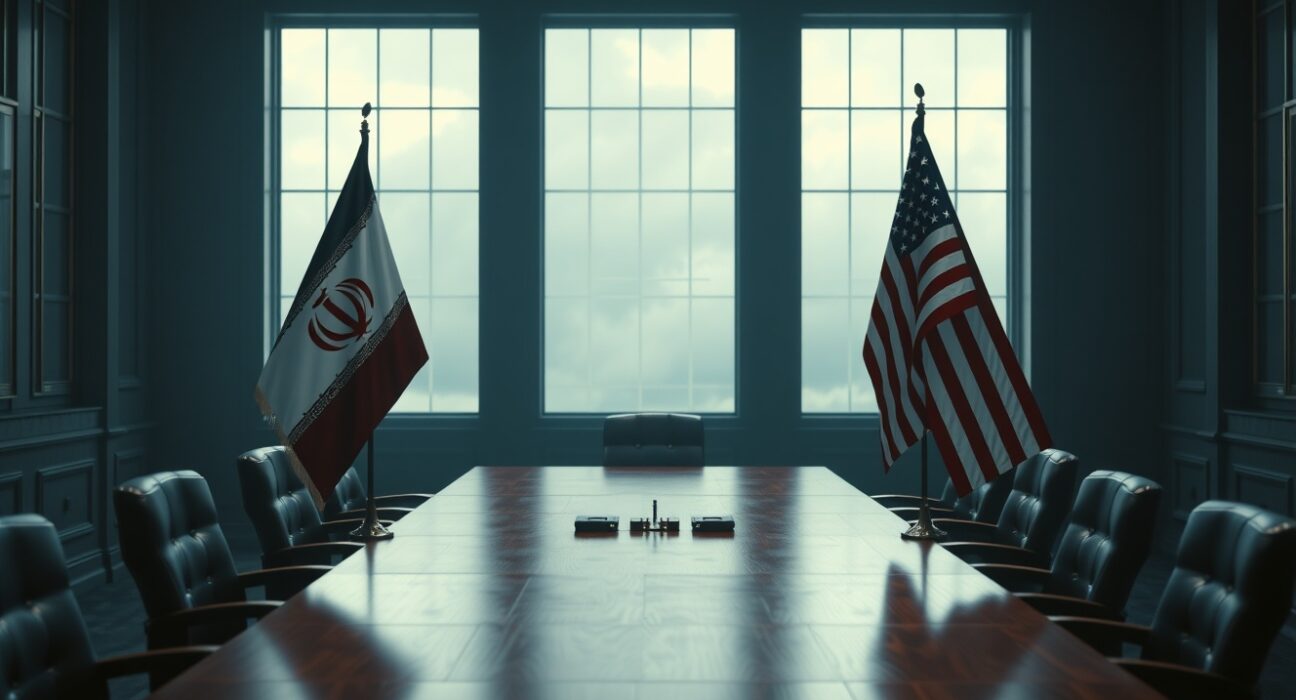
Iran has formally rejected a proposal from the United States and submitted its own counter-offer, according to reports from Iranian state media. The development marks a significant escalation in the ongoing diplomatic standoff between the two nations, with Tehran characterizing the American plan as an unacceptable concession to what it described as ‘President Trump’s greed.’
Details of Iran’s Counter-Offer
Iran’s alternative proposal, which has not been publicly released in full by Washington, reportedly centers on several non-negotiable demands. According to Iranian media, the counter-offer includes a demand for war reparations from the United States, formal recognition of Iranian sovereignty over the strategic Strait of Hormuz, the complete and unconditional lifting of all sanctions, and the unfreezing of all Iranian funds and assets held abroad.
The Strait of Hormuz, a narrow waterway between the Persian Gulf and the Gulf of Oman, is a critical chokepoint for global oil shipments. Roughly 20% of the world’s petroleum passes through it daily. Iran’s insistence on sovereignty recognition there signals a hardening of its position on regional security and maritime rights.
Context and Timeline
The rejection comes after months of indirect negotiations mediated by Gulf states and European powers. The United States had presented what it called a ‘comprehensive framework’ aimed at curbing Iran’s nuclear enrichment activities and ballistic missile development in exchange for limited sanctions relief. Iran’s counter-offer goes significantly further, demanding full economic normalization before any discussion of its nuclear or missile programs.
This is not the first time Tehran has rejected a US-led proposal. In 2022, similar talks collapsed after Iran demanded guarantees that no future US administration would reimpose sanctions. The current standoff is further complicated by ongoing tensions over Iran’s support for proxy groups in the Middle East and its enrichment of uranium to near-weapons-grade levels.
What This Means for Regional Stability
The rejection raises the risk of renewed tensions in the Persian Gulf. The Strait of Hormuz has been a flashpoint in past confrontations, including the 2019 attacks on oil tankers and the US drone shootdown. Iran’s demand for war reparations — likely referencing decades of US sanctions and the 2020 killing of General Qasem Soleimani — is widely seen as a non-starter for Washington.
Analysts suggest that Iran’s maximalist position may be a negotiating tactic aimed at gaining leverage ahead of potential US election shifts. However, the hardline stance also reflects domestic pressure within Iran, where the government faces widespread public discontent over economic hardship exacerbated by sanctions.
Implications for Global Markets
The breakdown in talks could impact global oil markets. Traders are already pricing in a risk premium on crude futures amid fears of supply disruptions if tensions escalate. The Strait of Hormuz remains a key vulnerability for energy security, and any military confrontation there could send oil prices sharply higher.
For now, both sides appear entrenched. The US has not publicly responded to Iran’s counter-offer, though diplomatic channels remain open through intermediaries. The coming weeks will be critical in determining whether this rejection leads to renewed negotiations or a further deterioration in relations.
Conclusion
Iran’s rejection of the US proposal and its submission of a sweeping counter-offer represent a significant hardening of its negotiating position. The demands for sanctions relief, war reparations, and sovereignty over the Strait of Hormuz set a high bar for any future agreement. The situation remains fluid, with diplomatic efforts continuing behind the scenes. For now, the path to a negotiated settlement appears uncertain, and the risk of renewed confrontation in the Persian Gulf remains elevated.
FAQs
Q1: Why did Iran reject the US proposal?
Iranian officials described the American plan as a surrender to what they called President Trump’s greed. They argued it did not address their core demands for sanctions relief and economic normalization.
Q2: What are the key demands in Iran’s counter-offer?
Iran demands full and unconditional lifting of all sanctions, unfreezing of its assets, US payment of war reparations, and formal recognition of Iranian sovereignty over the Strait of Hormuz.
Q3: How might this affect global oil prices?
The rejection raises the risk of supply disruptions in the Strait of Hormuz, a critical chokepoint for oil shipments. This uncertainty typically pushes crude prices higher as traders price in a geopolitical risk premium.
Disclaimer: The information provided is not trading advice, Bitcoinworld.co.in holds no liability for any investments made based on the information provided on this page. We strongly recommend independent research and/or consultation with a qualified professional before making any investment decisions.
