
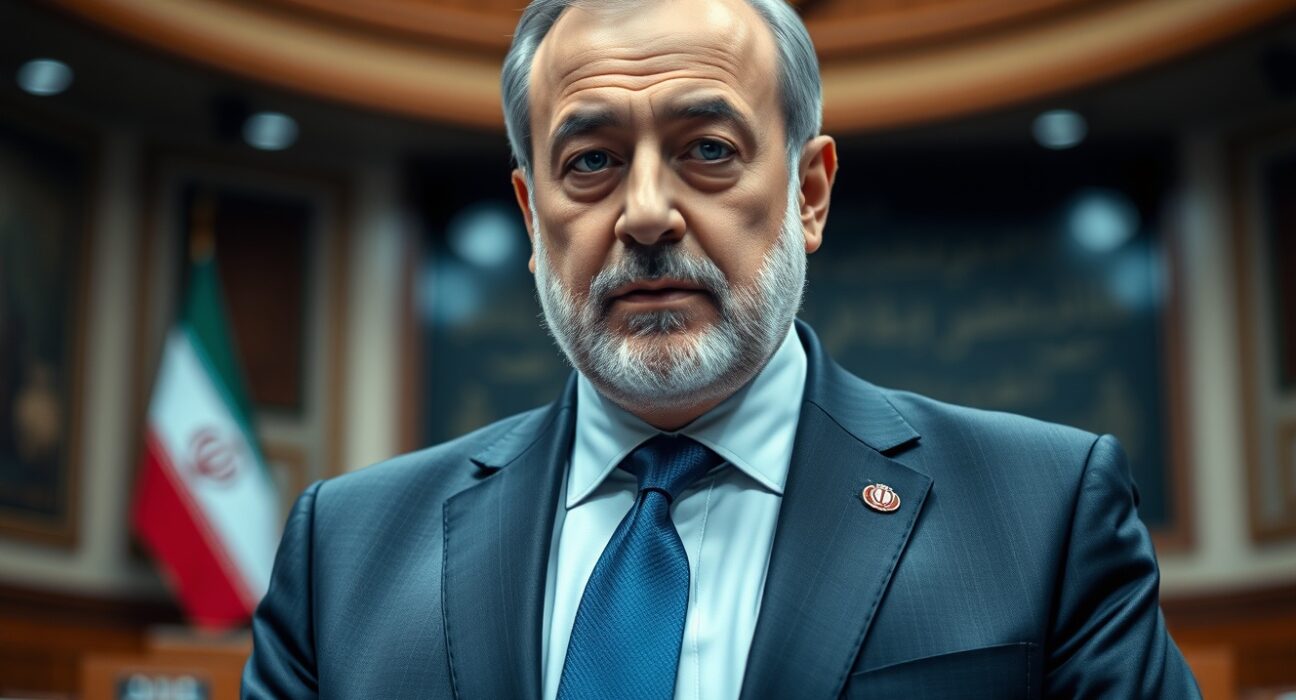
TEHRAN, Iran – In a significant diplomatic development, Iranian Parliament Speaker Mohammad Bagher Ghalibaf has categorically denied any contact with United States officials, directly contradicting recent media reports that suggested ongoing backchannel negotiations. His forceful denial comes amid heightened tensions in the region and carries substantial implications for global energy markets and Middle Eastern geopolitics.
Iranian Speaker Denies US Contact Amid Media Reports
Speaker Mohammad Bagher Ghalibaf made his statement during a parliamentary session on Tuesday, addressing what he called “deliberate misinformation” circulating in international media. Furthermore, he specifically referenced a report from an unnamed media outlet that claimed he had engaged in direct communications with American officials. Consequently, Ghalibaf’s denial represents the highest-level Iranian rejection of such claims in recent months.
The Iranian speaker emphasized that no negotiations have occurred between Iranian and American representatives. Additionally, he characterized the reports as part of a broader pattern of disinformation. This pattern, according to Ghalibaf, aims to create false impressions about Iran’s diplomatic posture. Meanwhile, regional analysts note that such denials typically precede either intensified tensions or unexpected diplomatic breakthroughs.
Market Manipulation Allegations and Financial Implications
Ghalibaf made particularly striking allegations about the motivations behind what he termed “fake news.” Specifically, he asserted that false reports about Iran-US contact serve as tools to manipulate financial and oil markets. Moreover, he claimed these manipulations help the United States and Israel escape difficult political situations they currently face.
Historical data supports the connection between Iran-related news and oil price volatility. For instance:
- 2018: Oil prices surged 3% following US withdrawal from JCPOA
- 2020: Brent crude jumped 4% after Iranian general’s assassination
- 2023: Market fluctuations followed reports of indirect US-Iran talks
Energy market analysts confirm that rumors about Iran-US diplomacy consistently affect global oil prices. Therefore, Ghalibaf’s warning about market manipulation carries substantial credibility within financial circles. Additionally, his comments highlight the complex relationship between geopolitical narratives and economic outcomes.
Expert Analysis: The Geopolitical Context
Middle East specialists provide crucial context for understanding Ghalibaf’s statements. Dr. Farzad Shahriari, a Tehran-based political analyst with two decades of Iran-US relations expertise, explains the current diplomatic landscape. “Iran maintains a consistent position regarding direct negotiations with the United States,” Shahriari notes. “Official contact requires specific preconditions that currently remain unmet.”
The timeline below illustrates recent developments in Iran-US relations:
| Date | Event | Impact |
|---|---|---|
| April 2024 | Indirect talks resume via Oman | Limited progress on prisoner exchange |
| September 2024 | IAEA report on Iranian nuclear program | Increased Western pressure |
| January 2025 | US sanctions additional Iranian entities | Diplomatic channels remain frozen |
| March 2025 | Ghalibaf denies contact reports | Clarifies Iran’s official position |
This context demonstrates why Ghalibaf’s denial carries significant weight. Moreover, it reflects Iran’s careful calibration of its diplomatic messaging during a period of regional uncertainty.
The US-Israeli “Quagmire” and Regional Dynamics
Ghalibaf’s reference to helping the United States and Israel “escape their quagmire” warrants particular attention. Regional experts interpret this language as referring to several concurrent challenges facing both nations. Specifically, the United States faces complex diplomatic balancing acts in the Middle East. Simultaneously, Israel contends with multi-front security concerns and domestic political divisions.
Iranian officials frequently employ such terminology when discussing what they perceive as Western vulnerabilities. Additionally, Ghalibaf’s comments align with Iran’s broader narrative about shifting global power dynamics. This narrative emphasizes what Iranian leaders describe as declining American influence in the Middle East. Consequently, the speaker’s statement serves multiple diplomatic and domestic political purposes.
The regional implications of this denial are substantial. Neighboring countries monitor Iran-US relations closely because these relations affect:
- Security arrangements in the Persian Gulf
- Nuclear non-proliferation efforts
- Regional proxy conflicts in Yemen, Syria, and Lebanon
- International shipping routes through critical waterways
Media Landscape and Information Warfare
The controversy highlights the increasingly complex media environment surrounding Iran-related diplomacy. Multiple factors contribute to confusion about actual diplomatic contacts. These factors include deliberate disinformation campaigns, speculative journalism, and the secretive nature of backchannel communications.
International media outlets face particular challenges when reporting on Iran. These challenges stem from limited access to Iranian officials, translation issues, and the politicized nature of information. Therefore, Ghalibaf’s direct denial serves to clarify Iran’s official position. However, it does not necessarily disprove the existence of all indirect communication channels.
Experts distinguish between several types of diplomatic contact:
- Direct negotiations: Face-to-face meetings between official representatives
- Indirect talks: Communication through intermediaries or third countries
- Backchannel diplomacy: Unofficial contacts between influential figures
- Signaling: Public statements intended to convey positions privately
Ghalibaf’s denial specifically addresses direct negotiations. However, it leaves open the possibility of other communication forms.
Economic Consequences and Oil Market Sensitivity
The connection between Iran-related news and oil prices represents a well-documented phenomenon. Financial markets react to perceived changes in Iranian oil exports, which currently average approximately 1.5 million barrels per day. Any suggestion of improved US-Iran relations typically lowers prices due to expectations of increased supply. Conversely, tensions between the nations generally push prices higher.
Ghalibaf’s market manipulation allegations gain credibility from several documented incidents. In 2022, for example, false reports about imminent nuclear deal agreements caused brief but significant oil price fluctuations. Similarly, in 2023, unverified claims about secret meetings prompted trading anomalies. These patterns demonstrate how geopolitical narratives can influence financial markets.
The current global energy landscape makes markets particularly sensitive to Iran-related developments. Key factors include:
- OPEC+ production decisions and compliance rates
- Global economic growth projections affecting demand
- Alternative energy adoption timelines
- Strategic petroleum reserve levels in consuming nations
Therefore, Ghalibaf’s warning about market manipulation reflects genuine concerns within Iranian policymaking circles.
Conclusion
Iranian Parliament Speaker Mohammad Bagher Ghalibaf’s denial of US contact clarifies Iran’s official diplomatic position during a period of regional uncertainty. His allegations about market manipulation highlight the complex relationship between geopolitical narratives and economic outcomes. Moreover, his reference to US and Israeli “quagmires” reflects Iran’s assessment of shifting power dynamics in the Middle East. This development underscores the continuing sensitivity of Iran-US relations and their substantial implications for global energy markets and regional security arrangements.
FAQs
Q1: What exactly did Iranian Speaker Mohammad Bagher Ghalibaf deny?
Ghalibaf denied reports that he or other Iranian officials engaged in direct negotiations with United States representatives. He specifically addressed media claims about backchannel communications.
Q2: Why did Ghalibaf mention oil market manipulation?
The speaker alleged that false reports about Iran-US diplomacy deliberately manipulate financial markets. Historically, rumors about improved Iran-US relations typically lower oil prices, while tensions raise them.
Q3: What did Ghalibaf mean by “helping the US and Israel escape their quagmire”?
Analysts interpret this as referring to multiple challenges both nations face in the Middle East. These include complex diplomatic situations, security concerns, and domestic political pressures.
Q4: Does this denial mean no communication exists between Iran and the US?
Ghalibaf denied direct negotiations but didn’t address indirect contacts. Diplomatic experts note that communication often occurs through intermediaries like Oman or Switzerland.
Q5: How do oil markets typically react to Iran-US diplomacy news?
Markets generally lower prices on rumors of improved relations (expecting more Iranian oil) and raise prices on tensions (expecting supply constraints). This sensitivity makes markets vulnerable to manipulation through misinformation.
Disclaimer: The information provided is not trading advice, Bitcoinworld.co.in holds no liability for any investments made based on the information provided on this page. We strongly recommend independent research and/or consultation with a qualified professional before making any investment decisions.