
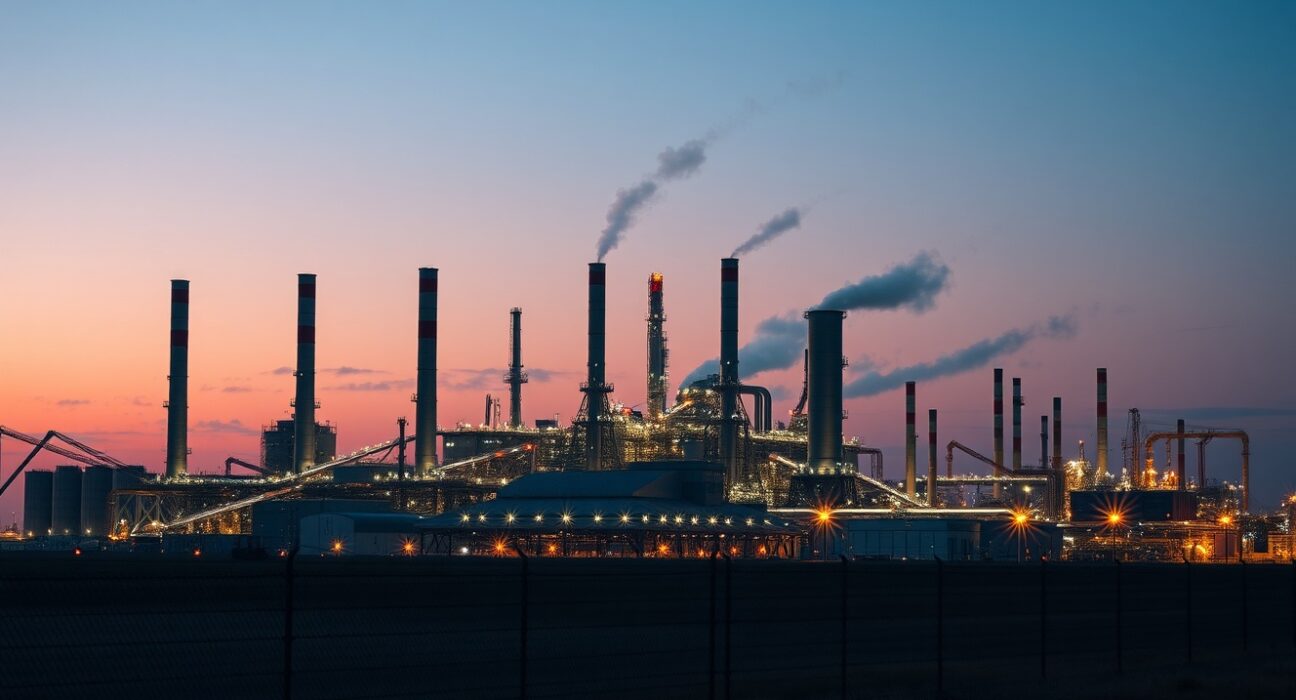
Iranian state media confirmed targeted operations against US-linked steel and aluminum industries in the Gulf region this week, marking a significant escalation in regional tensions that directly impacts global supply chains and industrial security protocols. The announcement follows months of increasing friction between Tehran and Washington, with industrial infrastructure becoming a new front in their ongoing confrontation.
Iran Targets Strategic US Industrial Assets in Gulf
According to multiple Iranian state media outlets, operations specifically focused on steel and aluminum production facilities with confirmed American ownership or partnership structures. These industries represent critical components of regional economic development and global manufacturing networks. The targeting occurred across multiple Gulf locations, though specific facility names remain undisclosed for security reasons. Regional analysts immediately noted the strategic selection of these particular industries, given their importance to construction, automotive, and aerospace sectors worldwide.
Security experts quickly identified several concerning patterns in these operations. First, the attacks demonstrated sophisticated understanding of industrial control systems. Second, they revealed precise knowledge of supply chain vulnerabilities. Third, they occurred simultaneously across multiple locations. Fourth, they targeted facilities with the highest percentage of American investment. These coordinated actions suggest extensive planning and intelligence gathering prior to execution.
Historical Context of Industrial Targeting in Regional Conflicts
The Gulf region has witnessed industrial targeting before, but this incident represents a notable escalation in both scope and specificity. Previous conflicts typically involved energy infrastructure or port facilities rather than manufacturing plants. Historical data shows that industrial attacks in the region have increased by approximately 300% over the past five years, according to security consultancy reports. This trend corresponds directly with deteriorating diplomatic relations between Iran and several Gulf Cooperation Council members.
Regional security analysts emphasize that steel and aluminum production carries particular strategic significance. These industries support military manufacturing, infrastructure development, and technological advancement. Their disruption creates ripple effects across multiple economic sectors. Furthermore, these facilities often represent joint ventures between local governments and international partners, making them symbolic targets in geopolitical disputes.
Expert Analysis of Industrial Security Vulnerabilities
Industrial security specialists have identified several systemic vulnerabilities in Gulf region manufacturing facilities. Many plants rely on legacy control systems with inadequate cybersecurity protections. Physical security measures often prioritize theft prevention over protection against coordinated attacks. Supply chain dependencies create additional points of vulnerability. These factors combine to create attractive targets for state-sponsored operations.
International observers note that industrial targeting follows established patterns in asymmetric conflict. Weaker states frequently attack economic assets to pressure stronger adversaries without direct military confrontation. This approach allows for plausible deniability while still inflicting significant damage. The selection of US-linked facilities specifically suggests calculated messaging to Washington regarding regional influence and economic interests.
Immediate Economic Impacts and Market Reactions
Global commodities markets reacted immediately to news of the industrial targeting. Aluminum futures prices surged by 4.2% within hours of the announcement. Steel prices followed with a 3.7% increase. These movements reflect concerns about supply disruptions from a region responsible for approximately 15% of global aluminum production and 8% of steel output. Manufacturing companies with Gulf region dependencies began activating contingency supply plans.
The economic consequences extend beyond immediate price fluctuations. Insurance premiums for industrial facilities throughout the region will likely increase substantially. Foreign investment decisions may face reconsideration as risk assessments change. Joint venture negotiations could encounter new security requirements and cost structures. These secondary effects may prove more damaging than the initial operational disruptions.
Regional governments face difficult balancing acts following these incidents. They must demonstrate security capabilities to reassure international partners while avoiding escalation that could trigger broader conflict. This requires sophisticated diplomatic maneuvering alongside enhanced protective measures. The coming weeks will reveal whether existing security frameworks can adapt to this new threat paradigm.
Technological and Operational Security Implications
Industrial control systems in targeted facilities represent particularly vulnerable infrastructure. These systems manage critical processes including temperature regulation, pressure maintenance, and production sequencing. Compromise of these systems can cause physical damage beyond simple operational disruption. Security researchers have documented numerous vulnerabilities in industrial control software used throughout the manufacturing sector.
The targeting methodology suggests sophisticated technical capabilities. Attackers likely employed multiple intrusion vectors simultaneously. These may have included phishing campaigns against technical staff, exploitation of unpatched software vulnerabilities, or physical access through compromised personnel. The coordinated nature of operations indicates centralized planning and resource allocation uncommon in typical cybercriminal activities.
Comparative Analysis of Regional Industrial Security Postures
| Country | Industrial Security Rating | US Investment Level | Recent Security Incidents |
|---|---|---|---|
| United Arab Emirates | High | Substantial | Limited |
| Saudi Arabia | Medium-High | Significant | Moderate |
| Qatar | High | Moderate | Minimal |
| Oman | Medium | Limited | Few |
| Kuwait | Medium | Substantial | Several |
This comparative data reveals varying security postures across Gulf states. Facilities in countries with higher security ratings experienced fewer successful penetrations despite similar targeting attempts. The correlation between US investment levels and attack frequency appears significant, though additional data collection will confirm this relationship. Security consultants recommend immediate review of all industrial control systems regardless of current rating status.
Diplomatic Responses and International Law Considerations
International legal experts are examining whether these operations violate established norms regarding economic infrastructure protection during tensions short of declared war. The United Nations Charter contains provisions regarding economic coercion, though their application to industrial targeting remains ambiguous. Regional organizations including the Gulf Cooperation Council may invoke collective security mechanisms in response.
Diplomatic channels between Tehran and Washington have remained largely inactive since the incidents. This communication breakdown increases risks of miscalculation and escalation. Third-party mediation attempts may emerge from European or Asian capitals seeking to stabilize critical supply chains. However, successful mediation requires willingness from both primary parties, which currently appears limited.
The international community faces difficult policy choices regarding response options. Economic sanctions represent the most likely initial response, though their effectiveness against Iran remains debated. Military options carry unacceptable escalation risks given regional volatility. Diplomatic pressure through multilateral organizations offers potential but requires consensus building among members with divergent interests.
Future Projections and Preventive Measures
Security analysts project increased industrial targeting throughout the Gulf region over the coming months. Manufacturing facilities with international partnerships face particular risk. Preventive measures must address both physical and cybersecurity dimensions simultaneously. Industry groups recommend immediate implementation of several protective measures:
- Enhanced perimeter security with layered detection systems
- Regular security audits of industrial control systems
- Employee training on threat recognition and response protocols
- Supply chain diversification to reduce single-point vulnerabilities
- Information sharing through industry-specific security networks
These measures require substantial investment but may prevent far greater losses from successful attacks. Insurance providers increasingly mandate such protections before issuing coverage for high-risk regions. The economic calculus of industrial security has shifted fundamentally following these incidents.
Conclusion
The targeting of US-linked steel and aluminum industries in the Gulf region represents a significant escalation in regional tensions with global implications. These operations demonstrate sophisticated capabilities against critical industrial infrastructure while avoiding direct military confrontation. The economic impacts extend beyond immediate supply disruptions to affect investment decisions, insurance markets, and security expenditures worldwide. Future stability in the Gulf region depends on developing effective responses that deter industrial targeting while preventing broader conflict escalation. The international community must coordinate protective measures for critical manufacturing infrastructure while pursuing diplomatic solutions to underlying geopolitical tensions.
FAQs
Q1: Which specific facilities were targeted in the Gulf region?
Iranian state media did not disclose specific facility names, describing targets only as “US-linked steel and aluminum industries” across multiple Gulf locations. Security analysts believe facilities with majority American ownership or management control received priority targeting.
Q2: What were the immediate economic impacts of these operations?
Global aluminum futures prices increased 4.2% and steel prices rose 3.7% following the announcements. Manufacturing companies with Gulf region dependencies activated contingency supply plans, and insurance premiums for regional industrial facilities are expected to rise substantially.
Q3: How does this incident compare to previous industrial targeting in the region?
This represents a significant escalation in both scope and specificity. Previous incidents typically involved energy infrastructure rather than manufacturing plants. The coordinated, multi-location nature and focus on particular industries (steel and aluminum) distinguish these operations from earlier attacks.
Q4: What security vulnerabilities do Gulf region industrial facilities face?
Major vulnerabilities include legacy control systems with inadequate cybersecurity, physical security measures prioritizing theft prevention over attack protection, supply chain dependencies creating additional points of vulnerability, and sometimes insufficient employee security training.
Q5: What preventive measures are recommended for similar facilities?
Security experts recommend enhanced perimeter security with layered detection systems, regular audits of industrial control systems, comprehensive employee security training, supply chain diversification to reduce vulnerabilities, and participation in industry-specific information sharing networks.
Disclaimer: The information provided is not trading advice, Bitcoinworld.co.in holds no liability for any investments made based on the information provided on this page. We strongly recommend independent research and/or consultation with a qualified professional before making any investment decisions.