
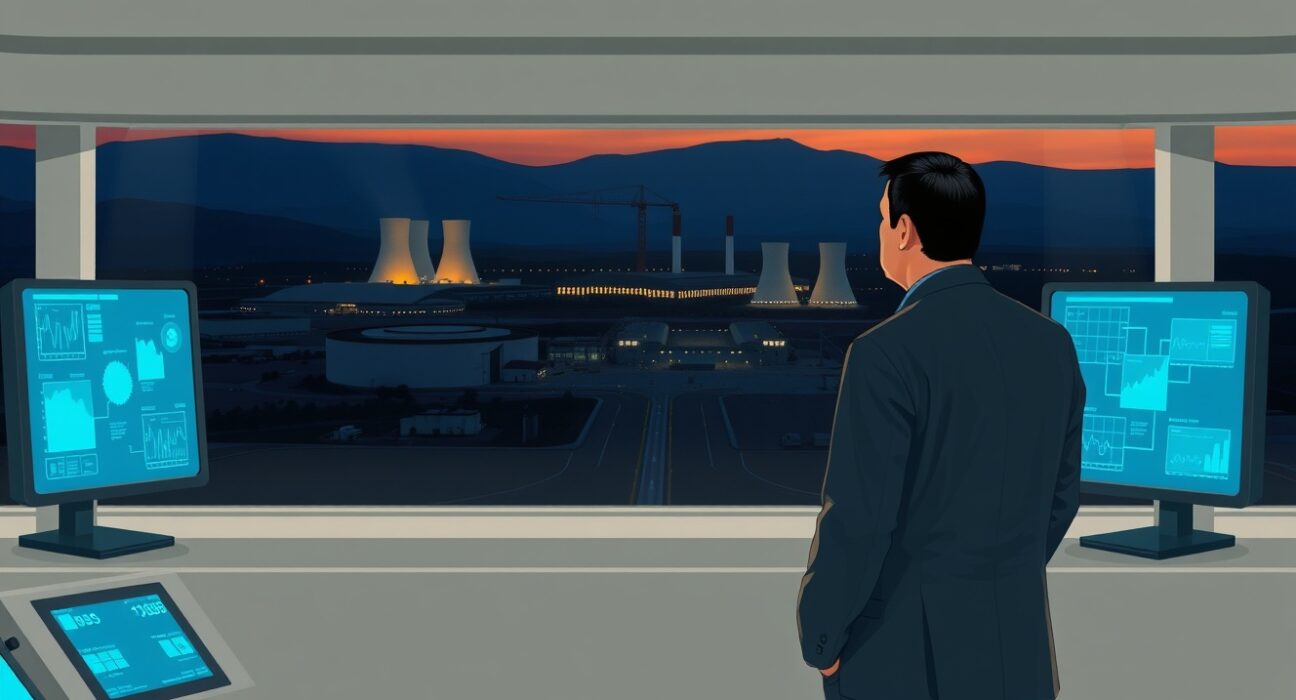
TEHRAN, Iran – March 15, 2025: Iranian officials are reportedly considering abandoning uranium enrichment activities, according to a New York Post report that has sparked international attention. This potential policy shift represents one of the key conditions set by the United States for ending regional conflicts. The development follows months of behind-the-scenes diplomatic efforts and could signal a major breakthrough in nuclear negotiations.
Iran Uranium Enrichment Policy Under Review
The New York Post report cites unnamed diplomatic sources familiar with ongoing discussions. These sources indicate Iranian leadership is actively debating whether to halt uranium enrichment programs. This consideration comes as part of broader negotiations aimed at de-escalating regional tensions. Uranium enrichment remains central to Iran’s nuclear capabilities and international concerns.
International Atomic Energy Agency (IAEA) reports show Iran currently enriches uranium up to 60% purity at its Natanz and Fordow facilities. This level exceeds the 3.67% limit established by the 2015 Joint Comprehensive Plan of Action (JCPOA). However, it falls short of the 90% typically required for nuclear weapons. The country maintains these activities are for peaceful civilian purposes only.
Several factors are influencing Tehran’s current deliberations:
- Economic pressures from sustained international sanctions
- Diplomatic isolation in regional and global forums
- Technical challenges in maintaining advanced centrifuges
- Domestic political considerations ahead of upcoming elections
Historical Context of Nuclear Negotiations
Nuclear negotiations between Iran and world powers have experienced multiple cycles since 2003. The landmark JCPOA agreement in 2015 established comprehensive restrictions on Iran’s nuclear program. In exchange, the agreement provided sanctions relief and normalized economic relations. The United States withdrew from this agreement in 2018 under the Trump administration.
Subsequent years saw Iran gradually exceed JCPOA limits while maintaining IAEA monitoring access. The Biden administration attempted to revive negotiations starting in 2021. These efforts faced numerous obstacles including domestic opposition in both countries. Regional proxy conflicts further complicated diplomatic progress throughout this period.
Key milestones in Iran’s nuclear development:
| Year | Development | Enrichment Level |
|---|---|---|
| 2003 | IAEA reports undeclared nuclear activities | Research phase |
| 2015 | JCPOA signed with P5+1 nations | Limited to 3.67% |
| 2019 | Iran begins exceeding JCPOA limits | Reaches 4.5% |
| 2021 | Advanced centrifuges installed at Natanz | Reaches 20% |
| 2023 | IAEA reports 60% enrichment | 60% purity achieved |
Expert Analysis of Current Developments
Nuclear policy experts approach the New York Post report with cautious analysis. Dr. Elena Rodriguez, senior fellow at the Center for Nonproliferation Studies, notes verification mechanisms would be essential. “Any commitment to abandon enrichment requires robust, intrusive monitoring systems,” Rodriguez explains. “The international community would demand unprecedented access to Iranian facilities.”
Former IAEA inspector Mark Thompson emphasizes technical considerations. “Iran has developed considerable expertise and infrastructure over two decades,” Thompson states. “Abandoning enrichment means dismantling thousands of centrifuges and related equipment. This process requires careful planning and execution.”
Regional security analysts highlight broader implications. Abandoning enrichment could reshape Middle Eastern security dynamics significantly. Neighboring countries might reconsider their own nuclear energy ambitions. Additionally, proxy conflicts could experience reduced tensions as diplomatic channels expand.
Potential Impacts on Regional Stability
A decision to abandon uranium enrichment would create immediate regional effects. Gulf Cooperation Council (GCC) states have expressed concerns about Iran’s nuclear program for years. Saudi Arabia and the United Arab Emirates have explored nuclear energy options themselves. Reduced tensions could facilitate energy cooperation across the Persian Gulf region.
Israel has consistently identified Iran’s nuclear program as an existential threat. Prime Minister Benjamin Netanyahu has repeatedly stated Israel would prevent Iranian nuclear weapons capability. A verifiable abandonment of enrichment could reduce immediate conflict risks. However, Israeli officials would likely demand permanent monitoring arrangements.
European Union foreign policy chief Josep Borrell has coordinated recent negotiation efforts. The EU seeks to revive the JCPOA framework with additional provisions. These would address ballistic missile development and regional security concerns. European energy companies also await sanctions relief to resume Iranian oil imports.
United States Conditions and Responses
The Biden administration has maintained consistent positions regarding Iranian nuclear activities. Officials have identified three primary conditions for comprehensive agreement:
- Restrictions on uranium enrichment levels and stockpiles
- Transparency through enhanced IAEA monitoring
- Addressing regional security concerns and proxy activities
State Department spokesperson Matthew Miller addressed the report during a recent briefing. “We do not comment on specific diplomatic discussions,” Miller stated. “However, we remain committed to preventing Iran from obtaining nuclear weapons. Diplomatic solutions offer the most sustainable path forward.”
Congressional responses reflect continued partisan divisions. Republican leaders express skepticism about Iranian intentions and verification possibilities. Democratic legislators emphasize diplomatic engagement while maintaining pressure through sanctions. Both parties agree on the fundamental goal of preventing nuclear proliferation.
Technical and Economic Considerations
Abandoning uranium enrichment involves substantial technical challenges for Iran. The country operates approximately 6,000 centrifuges across multiple facilities. These include advanced IR-2m and IR-6 models developed domestically. Dismantlement would require careful documentation and verification by international inspectors.
Iran’s nuclear energy program currently includes the Bushehr power plant, operating with Russian support. Additional reactors are planned at the same location. These facilities use fuel imported from Russia under IAEA safeguards. The country maintains its right to peaceful nuclear technology under the Nuclear Non-Proliferation Treaty (NPT).
Economic incentives could facilitate policy shifts. Sanctions have reduced Iran’s oil exports from 2.5 million barrels daily in 2017 to approximately 1 million currently. The country faces inflation exceeding 40% and currency depreciation. Sanctions relief could provide immediate economic benefits through increased oil revenue and restored banking access.
Conclusion
The reported consideration of abandoning uranium enrichment represents a potential turning point in Iran’s nuclear policy. While details remain unconfirmed, the development suggests serious diplomatic engagement continues behind closed doors. Verification and implementation would require complex technical arrangements and political compromises. The international community monitors these developments closely, recognizing their significance for nonproliferation efforts and regional stability. Iran’s ultimate decision will shape Middle Eastern security dynamics for years to come.
FAQs
Q1: What does uranium enrichment mean in Iran’s nuclear program?
Uranium enrichment increases the concentration of the U-235 isotope for nuclear applications. Iran maintains enrichment facilities at Natanz, Fordow, and other locations for what it claims are peaceful purposes including medical research and energy production.
Q2: Why would Iran consider abandoning uranium enrichment now?
Multiple factors likely influence this consideration including economic pressures from sanctions, diplomatic isolation, technical challenges, and potential incentives offered through negotiations with world powers.
Q3: How would the international community verify Iran abandoned enrichment?
Verification would require enhanced International Atomic Energy Agency (IAEA) monitoring with unprecedented access to facilities, continuous surveillance, environmental sampling, and data analysis to ensure compliance.
Q4: What would abandoning enrichment mean for the 2015 nuclear deal?
This development could facilitate revival of the Joint Comprehensive Plan of Action (JCPOA) with additional provisions addressing concerns that emerged after the original agreement’s implementation.
Q5: How have regional countries responded to this reported development?
Regional responses remain cautious with Gulf states emphasizing verification and Israel expressing skepticism while European powers see potential diplomatic progress and the United States maintains its conditions for comprehensive agreement.
Disclaimer: The information provided is not trading advice, Bitcoinworld.co.in holds no liability for any investments made based on the information provided on this page. We strongly recommend independent research and/or consultation with a qualified professional before making any investment decisions.