

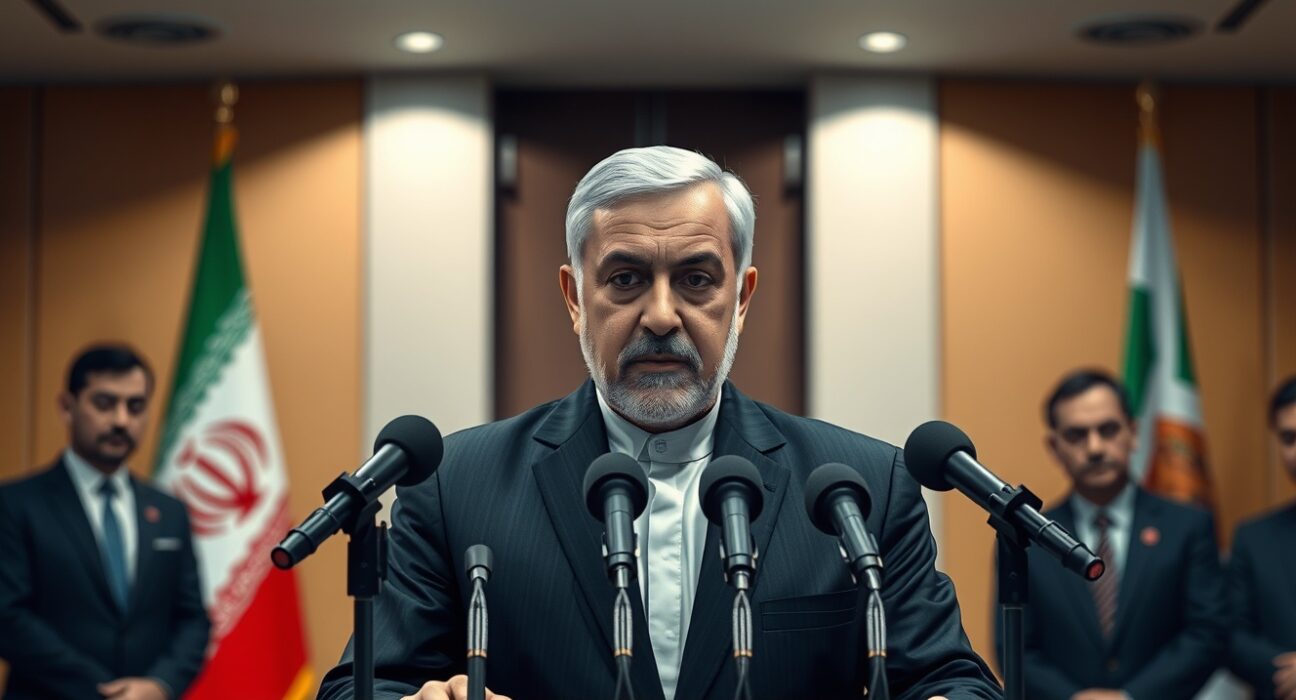
TEHRAN, Iran – January 15, 2025 – Iranian officials delivered a stark warning today, accusing the United States of violating ceasefire agreements from their inception and promising proportional military responses to any new aggression. Foreign Ministry spokesperson Nasser Baghaei made these explosive declarations during a tense press conference in Tehran, fundamentally reshaping regional security calculations.
Iran US Ceasefire Violation: The Core Allegations
Iranian authorities presented detailed accusations against Washington’s military posture. According to Baghaei, the United States immediately breached ceasefire terms by implementing a comprehensive naval blockade against Iranian ports and shipping lanes. This blockade reportedly restricts vital maritime trade routes through the Strait of Hormuz, a critical global oil transit corridor. Consequently, Iranian officials notified Pakistani mediators about these alleged violations through formal diplomatic channels. The spokesperson emphasized that these actions represent deliberate provocations rather than accidental oversights. Furthermore, he stated that Iran possesses documented evidence of these ceasefire breaches, which it may present to international bodies. This development marks a significant escalation in long-standing tensions between the two nations.
Proportional Response Doctrine Explained
Iran’s military leadership articulated a clear doctrine of measured retaliation. Baghaei explicitly warned that Iranian forces would respond proportionately to any new military aggression from either the United States or Israel. This proportional response framework suggests calibrated military reactions rather than uncontrolled escalation. Iranian commanders have reportedly prepared multiple response scenarios based on potential threat levels. These scenarios range from targeted naval exercises to more direct military engagements, depending on the nature of any provocation. Regional analysts note that this doctrine aims to deter aggression while avoiding full-scale conflict. However, the precise thresholds for triggering responses remain deliberately ambiguous, creating strategic uncertainty for potential adversaries.
Historical Context of US-Iran Naval Tensions
Current tensions emerge from decades of maritime confrontations in the Persian Gulf. The United States Navy has maintained a significant presence in regional waters since the 1980s Tanker War. More recently, incidents involving seized tankers and drone confrontations have periodically escalated tensions. The following table illustrates key recent naval incidents:
| Date | Incident | Location |
|---|---|---|
| 2023 | US seizure of Iranian oil tanker | Gulf of Oman |
| 2024 | Iranian drone harassment of US ships | Persian Gulf |
| 2024 | Joint US-Israel naval exercises | Red Sea |
These incidents demonstrate persistent friction points in maritime security arrangements. Additionally, regional shipping lanes handle approximately 20% of global oil exports, making stability crucial for international energy markets. Consequently, any naval blockade significantly impacts global economic considerations beyond bilateral relations.
Regional Mediation and Diplomatic Channels
Pakistan’s mediation role represents a significant diplomatic development. Islamabad maintains relationships with both Tehran and Washington, positioning itself as a potential neutral intermediary. Pakistani diplomats have reportedly engaged in shuttle diplomacy between capitals for several months. Their involvement suggests both parties initially sought diplomatic solutions before resorting to public accusations. However, the notification of ceasefire violations indicates mediation efforts have encountered substantial obstacles. Regional experts identify several key challenges facing mediators:
- Trust deficits between Iranian and American negotiators
- Differing interpretations of ceasefire terms and conditions
- Regional alliance complexities involving Israel and Gulf states
- Domestic political pressures in all involved nations
These factors complicate resolution efforts despite mediator involvement. Meanwhile, other regional powers monitor developments closely for potential spillover effects.
Military Capabilities and Strategic Calculations
Iran’s proportional response warning rests on substantial military capabilities. The Iranian Revolutionary Guard Corps Navy maintains asymmetric warfare assets including:
- Fast attack craft and missile boats
- Coastal defense cruise missile systems
- Naval mining capabilities
- Submarine forces including midget submarines
These assets enable disruptive operations against superior naval forces. Conversely, the United States Fifth Fleet maintains carrier strike groups and advanced destroyers in regional waters. This military balance creates deterrence through mutual vulnerability rather than parity. Strategic analysts emphasize that both sides likely seek to avoid direct conflict while protecting core interests. However, miscalculation risks remain substantial given complex operational environments and rapid escalation potential.
Economic Implications of Naval Confrontation
Maritime tensions directly impact global energy markets and regional economies. The Strait of Hormuz represents the world’s most important oil transit chokepoint, handling approximately 21 million barrels daily. Any sustained disruption could trigger significant oil price volatility with global economic consequences. Regional shipping insurance premiums have already increased by 15% following recent announcements. Furthermore, alternative transport routes face capacity limitations, creating supply chain vulnerabilities. International energy companies monitor developments closely while developing contingency plans for potential disruptions.
International Reactions and Legal Considerations
Global responses to these developments reflect complex international law interpretations. United Nations officials emphasize the importance of maintaining freedom of navigation principles. Meanwhile, legal experts debate whether naval blockades constitute acts of war under international law. The 1909 London Declaration outlines specific requirements for legal blockades, including notification and effectiveness standards. Different nations interpret these requirements through varying strategic lenses. European Union foreign policy chiefs called for restraint and dialogue during emergency consultations. Asian energy importers expressed particular concern about supply security implications. These diverse international perspectives complicate unified diplomatic responses to escalating tensions.
Conclusion
Iran’s accusations of US ceasefire violations and proportional response warnings represent a critical juncture in Middle Eastern security dynamics. The Iranian US ceasefire violation allegations fundamentally challenge existing diplomatic frameworks while raising regional conflict risks. Naval blockade implementation demonstrates how maritime domains become primary confrontation spaces. Proportional response doctrines attempt to manage escalation risks while maintaining deterrence credibility. Ultimately, regional stability depends on whether diplomatic channels can overcome substantial trust deficits and conflicting interpretations. All parties must carefully calibrate their actions to avoid unintended escalation with global consequences.
FAQs
Q1: What specific ceasefire agreement is Iran accusing the US of violating?
Iran references a previously undisclosed ceasefire arrangement mediated through Pakistani channels. While details remain classified, it reportedly addressed de-escalation measures following earlier naval confrontations in the Persian Gulf region.
Q2: How does Iran define “proportional response” to military aggression?
Iranian military doctrine defines proportional response as calibrated retaliation matching the scale and nature of any attack. This could range from targeted strikes against specific assets to broader military demonstrations, avoiding uncontrolled escalation while demonstrating resolve.
Q3: What evidence has Iran presented regarding the alleged naval blockade?
Iranian officials claim to possess satellite imagery, naval monitoring data, and intercepted communications demonstrating US naval movements restricting Iranian shipping. They have not publicly released this evidence but reportedly shared it with mediators.
Q4: How are other Middle Eastern nations responding to these developments?
Gulf Cooperation Council members have called for restraint while enhancing their own naval surveillance. Israel maintains heightened alert status. Regional shipping companies are adjusting routes and insurance coverage in response to increased risk assessments.
Q5: What diplomatic options remain available to de-escalate tensions?
Options include renewed mediation through Pakistan or other neutral parties, direct communication channels between naval commanders, confidence-building measures like incident prevention agreements, and potential UN Security Council involvement if tensions escalate further.
Disclaimer: The information provided is not trading advice, Bitcoinworld.co.in holds no liability for any investments made based on the information provided on this page. We strongly recommend independent research and/or consultation with a qualified professional before making any investment decisions.
