
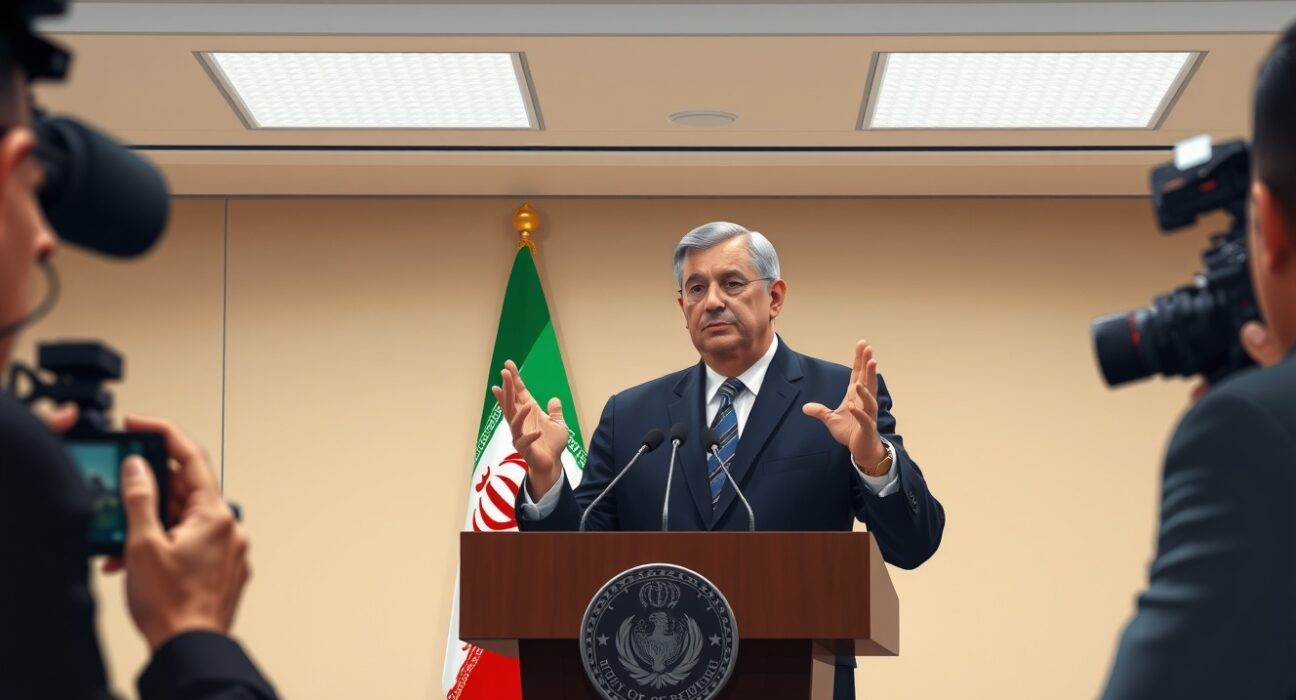
TEHRAN, Iran – In a significant diplomatic escalation, Iran’s Deputy Foreign Minister has issued a direct demand for the United States to intervene and halt Israeli military actions against Lebanon. The statement, reported by Iran’s state-run Fars News Agency, highlights growing regional tensions and represents a crucial development in Middle Eastern geopolitics. This demand comes amid increasing cross-border exchanges between Israel and Hezbollah forces in southern Lebanon, raising concerns about broader regional conflict.
Iran’s Official Demand Regarding Israeli Attacks on Lebanon
Iran’s Deputy Foreign Minister delivered the statement through official channels on Tuesday. The Iranian official specifically called on Washington to exercise its influence over Israel. Consequently, this represents a clear diplomatic maneuver by Tehran. The United States maintains substantial military and political support for Israel. Therefore, Iran’s demand targets this specific relationship directly. Historically, Iran has positioned itself as a defender of Lebanese sovereignty against Israeli actions. Meanwhile, Israel consistently cites security threats from Hezbollah, the Iran-backed militant group operating in Lebanon.
The timing of this statement coincides with increased military activity along the Israel-Lebanon border. Recent weeks have witnessed multiple exchanges of fire between Israeli forces and Hezbollah fighters. Additionally, Israeli airstrikes have targeted positions in southern Lebanon. These developments have raised alarm among international observers. The United Nations has expressed concern about potential escalation. Furthermore, regional stability faces significant challenges from these ongoing tensions.
Historical Context of Iran-Israel Relations
Iran and Israel maintain no formal diplomatic relations. Their relationship has been hostile since Iran’s 1979 Islamic Revolution. Over decades, this hostility has manifested through proxy conflicts across the Middle East. Lebanon represents one crucial theater for this regional rivalry. Iran provides substantial support to Hezbollah, which emerged during Lebanon’s civil war. Conversely, Israel views Hezbollah as a primary security threat along its northern border.
Expert Analysis of Diplomatic Implications
Regional analysts note several important implications from Iran’s latest statement. First, it represents public diplomacy aimed at international audiences. Second, it attempts to pressure the United States ahead of potential negotiations. Third, it reinforces Iran’s regional alliances. Middle East security experts emphasize that such statements often precede diplomatic initiatives. However, they also caution that rhetoric sometimes escalates rather than reduces tensions.
Key historical flashpoints in Israel-Lebanon relations include:
- 1982 Israeli invasion of Lebanon
- 2006 Israel-Hezbollah war
- Ongoing border skirmishes since 2021
- Recent escalation in cross-border attacks
Regional Security Dynamics and Potential Consequences
The current situation involves multiple interconnected factors. Israel faces security challenges from multiple fronts simultaneously. Lebanon struggles with political and economic crises. Iran seeks to maintain regional influence despite international pressure. The United States balances multiple Middle East priorities. These complex dynamics create a volatile security environment. Any significant escalation could have far-reaching consequences.
International responses to the situation have varied significantly. The United Nations Interim Force in Lebanon (UNIFIL) continues monitoring the border area. European nations have called for restraint from all parties. Arab states express concern about regional stability. Meanwhile, humanitarian organizations prepare for potential escalation. Civilian populations on both sides of the border remain vulnerable to conflict.
| Date | Incident Type | Reported Location |
|---|---|---|
| March 2024 | Cross-border rocket fire | Northern Israel |
| June 2024 | Israeli airstrike | Southern Lebanon |
| September 2024 | Hezbollah anti-tank missile | Israel-Lebanon border |
| January 2025 | Drone incursion | Lebanese airspace |
Diplomatic Channels and Conflict Resolution Efforts
Multiple diplomatic initiatives attempt to address the Israel-Lebanon tensions. United Nations envoys maintain communication with all parties. European mediators propose confidence-building measures. Regional powers explore backchannel discussions. However, fundamental disagreements persist about core issues. Security arrangements along the border remain contested. The status of disputed territories continues unresolved. Weapons transfers to non-state actors create additional complications.
Economic factors also influence the current situation. Lebanon faces severe financial crisis with currency collapse. Israel maintains strong economic performance despite security challenges. Iran contends with international sanctions affecting its economy. These economic realities shape each nation’s strategic calculations. Humanitarian concerns add urgency to diplomatic efforts. Civilian infrastructure requires protection from conflict. Essential services must continue despite tensions.
Conclusion
Iran’s demand for US intervention regarding Israeli attacks on Lebanon represents a significant diplomatic development. The statement reflects ongoing regional tensions and complex geopolitical relationships. Historical context reveals deep-rooted conflicts between the involved parties. Current security dynamics suggest potential for escalation without careful diplomacy. International observers monitor the situation closely for signs of change. Ultimately, regional stability depends on balanced approaches addressing all parties’ legitimate concerns. The Israeli attacks on Lebanon remain a focal point for broader Middle Eastern diplomacy in 2025.
FAQs
Q1: What specifically did Iran’s Deputy Foreign Minister say about Israeli attacks on Lebanon?
The Iranian official stated that the United States must stop Israel’s attacks on Lebanon, according to Iran’s state-run Fars News Agency. The demand represents a direct call for American intervention in the conflict.
Q2: Why does Iran have an interest in Lebanon’s security?
Iran maintains strong ties with Hezbollah, the political and military organization in Lebanon. Tehran provides political, financial, and military support to Hezbollah, viewing the group as an important regional ally and part of its “axis of resistance” against Israel and Western influence.
Q3: How has the United States typically responded to such demands from Iran?
Historically, the United States has rejected Iranian demands regarding its Middle East policy. Washington maintains that Israel has the right to defend itself against security threats while generally supporting diplomatic solutions to regional conflicts.
Q4: What is the current status of the Israel-Lebanon border situation?
The border has experienced periodic exchanges of fire between Israeli forces and Hezbollah fighters. While not at full-scale war levels, the situation remains tense with regular incidents that risk escalation. International peacekeeping forces monitor the area.
Q5: How might this Iranian statement affect regional diplomacy?
The statement could influence ongoing diplomatic efforts by publicly framing the conflict as requiring American intervention. It may also affect negotiations about Lebanon’s political future and security arrangements, potentially hardening positions among various stakeholders.
Disclaimer: The information provided is not trading advice, Bitcoinworld.co.in holds no liability for any investments made based on the information provided on this page. We strongly recommend independent research and/or consultation with a qualified professional before making any investment decisions.