

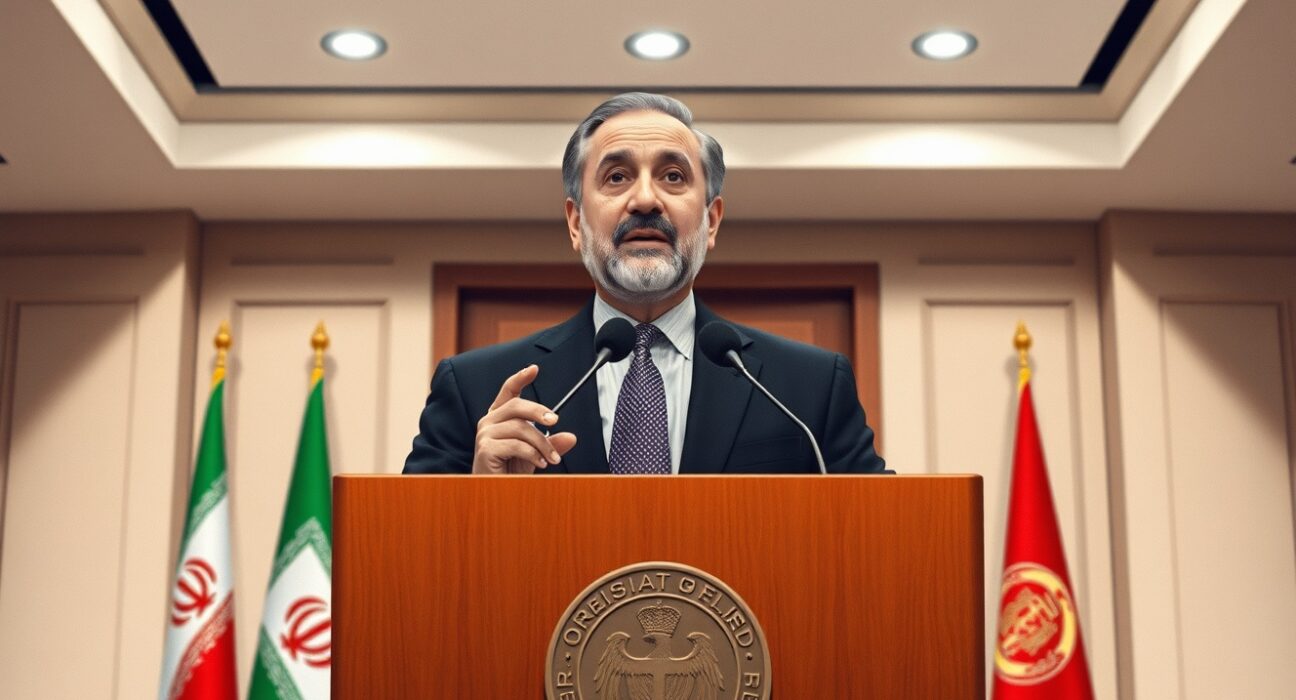
TEHRAN, Iran – April 20, 2025: Iranian officials have confirmed that diplomatic negotiations with the United States will proceed, but Tehran has established clear conditions for engagement. Ebrahim Azizi, chairman of the National Security and Foreign Policy Committee of the Iranian Parliament, delivered this significant statement to Al Jazeera. He emphasized that Iran’s decision to continue talks does not represent unconditional acceptance of American positions. This development marks a crucial moment in the complex relationship between the two nations.
Iran US Negotiations Enter New Phase
Iran’s announcement represents a calculated diplomatic move. The country has decided to maintain communication channels with Washington. However, Iranian leadership has established firm boundaries for these discussions. Ebrahim Azizi articulated this position clearly during his recent media appearance. He stated that Iran will not negotiate at any cost. Furthermore, he emphasized that continued talks do not imply acceptance of American approaches.
This conditional stance reflects Iran’s strategic positioning. The country seeks to protect its national interests throughout diplomatic processes. Iranian officials have consistently emphasized sovereignty and mutual respect as prerequisites for successful negotiations. Consequently, this announcement signals both willingness to engage and determination to maintain principles.
Historical Context of US-Iran Relations
Current negotiations exist within a complex historical framework. Relations between the United States and Iran have experienced significant turbulence for decades. Several key events have shaped this diplomatic landscape:
- 1979 Iranian Revolution: This event fundamentally transformed bilateral relations
- 1980-1988 Iran-Iraq War: American support for Iraq created lasting tensions
- 2015 Nuclear Deal (JCPOA): This agreement represented a major diplomatic breakthrough
- 2018 US Withdrawal: President Trump’s decision to exit the JCPOA created new challenges
- 2021-2024 Indirect Talks: These negotiations attempted to revive nuclear agreements
Each phase has contributed to the current diplomatic environment. Understanding this history provides essential context for analyzing present developments.
Expert Analysis of Iran’s Strategic Position
Regional analysts interpret Iran’s conditional approach as strategically significant. Dr. Leila Rahman, a Middle East foreign policy specialist at Georgetown University, explains this perspective. “Iran’s statement demonstrates careful calibration,” she notes. “Tehran signals openness to dialogue while asserting its negotiating parameters.” This balanced approach serves multiple diplomatic objectives simultaneously.
Iran seeks to avoid appearing either overly rigid or excessively accommodating. The country faces complex domestic and international pressures. Domestically, Iranian leadership must address various political factions with differing views on American engagement. Internationally, Iran navigates relationships with regional allies and global powers. Consequently, conditional diplomacy represents a pragmatic middle path.
Economic Factors Influencing Negotiations
Economic considerations significantly impact diplomatic calculations. Iran continues to experience substantial economic pressure from American sanctions. These restrictions affect multiple sectors of the Iranian economy. The country’s oil exports have faced particular challenges in recent years. However, Iran has developed alternative economic relationships and domestic capabilities.
The following table illustrates key economic indicators relevant to negotiations:
| Economic Factor | Current Status | Negotiation Impact |
|---|---|---|
| Oil Export Volume | Approximately 1.5 million barrels per day | Primary motivation for sanctions relief |
| Inflation Rate | Estimated at 40-50% annually | Increases domestic pressure for resolution |
| Currency Value | Rial has depreciated significantly | Affects import capacity and living standards |
| Foreign Reserves | Substantial but constrained by sanctions | Limits economic maneuverability |
These economic realities create both pressures and constraints for Iranian negotiators. They must balance economic needs with political and strategic considerations.
Regional Security Implications
US-Iran negotiations carry significant regional security consequences. Middle Eastern stability often connects to Iranian-American relations. Several regional actors monitor these diplomatic developments closely. Israel expresses particular concern about potential agreements. Gulf Arab states maintain complex positions regarding Iranian engagement.
Regional proxy conflicts add another layer of complexity. Iranian support for various groups across the Middle East represents a persistent concern for American policymakers. Conversely, American military presence and alliances concern Iranian leadership. These interconnected security issues inevitably influence negotiation dynamics. Therefore, progress requires addressing both bilateral and regional dimensions simultaneously.
Nuclear Considerations in Current Talks
Nuclear issues remain central to US-Iran discussions. The Joint Comprehensive Plan of Action (JCPOA) established a framework for limiting Iran’s nuclear program. American withdrawal from this agreement created substantial complications. Current negotiations attempt to address these challenges while accounting for changed circumstances.
Iran has advanced its nuclear capabilities since 2018. The country now possesses greater technical knowledge and infrastructure. Consequently, any new agreement must address this evolved reality. International Atomic Energy Agency (IAEA) monitoring and verification mechanisms represent additional considerations. These technical aspects require careful negotiation alongside political agreements.
Domestic Political Dynamics in Both Nations
Internal politics significantly influence diplomatic possibilities. In Iran, various power centers maintain different perspectives on American engagement. The parliament, where Ebrahim Azizi holds his position, represents one important institution. The Supreme National Security Council operates as another crucial entity. The office of the Supreme Leader ultimately determines Iranian foreign policy direction.
American domestic politics similarly affect negotiation prospects. Congressional attitudes toward Iran remain complex and often contentious. Presidential administration priorities evolve with electoral cycles. Additionally, American public opinion regarding Middle East engagement fluctuates over time. These domestic factors create constraints and opportunities for diplomats on both sides.
International Community Perspectives
The global community maintains substantial interest in US-Iran relations. European nations have attempted to facilitate dialogue between Washington and Tehran. China and Russia represent other significant international actors with Middle East interests. These countries pursue their own strategic objectives regarding Iranian relations.
International organizations also engage with this diplomatic process. The United Nations provides forums for discussion and potential agreement frameworks. The European Union has attempted to preserve elements of the nuclear agreement despite American withdrawal. These multilateral dimensions add complexity to what might appear as bilateral negotiations.
Conclusion
Iran’s conditional approach to US negotiations represents sophisticated diplomatic positioning. Ebrahim Azizi’s statement clarifies Tehran’s willingness to engage while establishing firm boundaries. These Iran US negotiations will likely proceed cautiously given historical complexities and contemporary challenges. Economic pressures, security considerations, and domestic politics will all influence eventual outcomes. The international community continues monitoring these developments closely, recognizing their significance for Middle Eastern stability and global non-proliferation efforts. Future progress will require careful navigation of multiple interconnected issues with creativity and persistence from all involved parties.
FAQs
Q1: What exactly did Ebrahim Azizi announce regarding US-Iran negotiations?
Ebrahim Azizi confirmed that Iran will continue negotiations with the United States but emphasized these talks would not proceed unconditionally. He specifically stated that Iran would not negotiate at any cost and that continued engagement does not imply acceptance of American approaches.
Q2: Why is Iran taking this conditional approach to diplomacy with the United States?
Iran seeks to protect its national interests and sovereignty while engaging in necessary diplomatic discussions. This approach allows Tehran to demonstrate willingness to talk while establishing clear parameters for negotiations, addressing both domestic political considerations and international strategic positioning.
Q3: What are the main issues being discussed in current US-Iran negotiations?
Primary discussion points include nuclear program limitations, sanctions relief, regional security concerns, and verification mechanisms. These negotiations build upon previous agreements while addressing changed circumstances since American withdrawal from the JCPOA in 2018.
Q4: How do economic factors influence these diplomatic talks?
American sanctions have significantly impacted Iran’s economy, particularly oil exports and currency stability. These economic pressures create incentives for resolution, but Iran has also developed alternative economic relationships that provide some negotiation leverage.
Q5: What role does the international community play in US-Iran negotiations?
European nations, China, Russia, and international organizations like the United Nations all maintain interest in these talks. Some countries have attempted to facilitate dialogue or preserve elements of previous agreements, adding multilateral dimensions to the negotiations.
Disclaimer: The information provided is not trading advice, Bitcoinworld.co.in holds no liability for any investments made based on the information provided on this page. We strongly recommend independent research and/or consultation with a qualified professional before making any investment decisions.
