

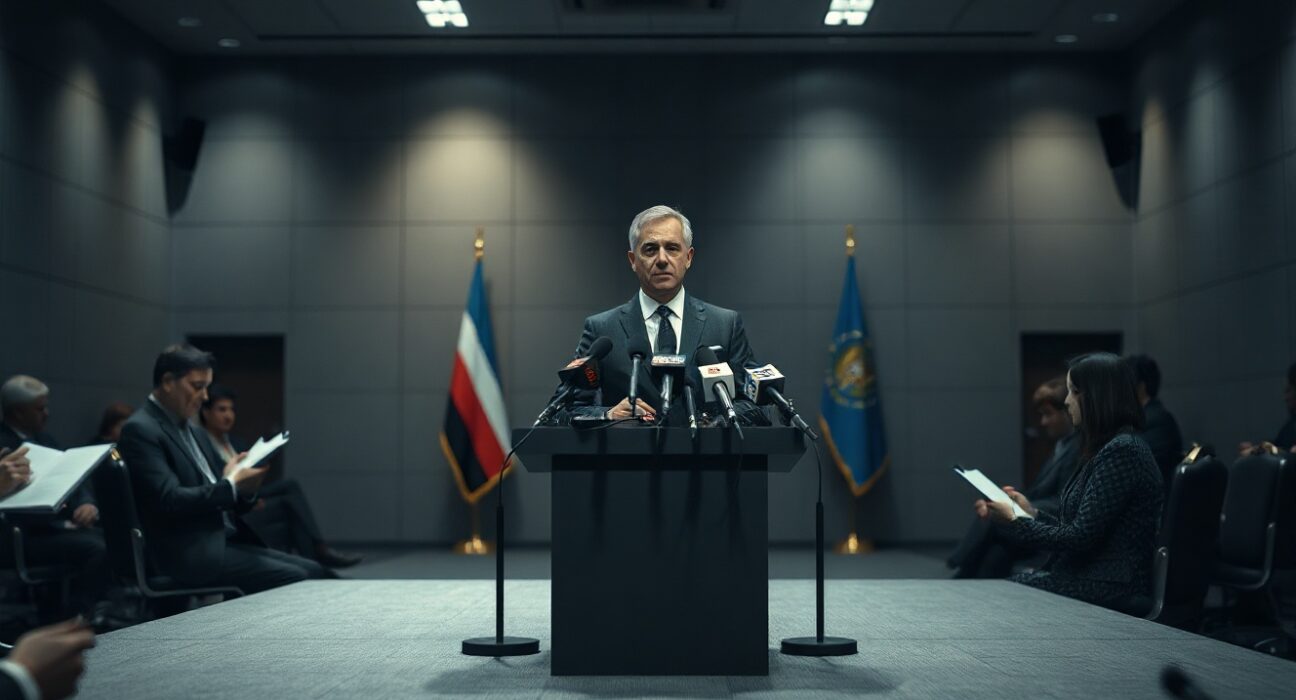
Iran’s Foreign Ministry has directly accused the United States of being responsible for Israel’s recent military operation in Lebanon, a statement that threatens to further inflame an already volatile region. The accusation, delivered by a ministry spokesperson, marks a significant escalation in rhetoric between Tehran and Washington.
Context of the Accusation
The statement from Iran follows a series of Israeli airstrikes and ground operations in southern Lebanon, which Israel says are aimed at Hezbollah positions. Iran, a key backer of Hezbollah, has long warned against any major Israeli military action, framing it as a direct threat to its own security interests. By explicitly naming the United States as complicit, Iran is signaling that it views the attack as part of a broader American-Israeli strategy, not an isolated incident.
Implications for Regional Stability
This development comes at a time of heightened tensions across the Middle East. The US has historically provided military and diplomatic support to Israel, a stance that Iran and its allies frequently condemn. The accusation could lead to a further deterioration of diplomatic channels, potentially impacting ongoing negotiations related to Iran’s nuclear program and broader security arrangements in the region.
What This Means for Readers
For observers of global geopolitics, this statement is a critical indicator of how Iran may respond to future escalations. It suggests that Tehran is preparing to frame any conflict involving Israel and Hezbollah as a direct confrontation with the United States, which could have far-reaching consequences for energy markets, international shipping routes, and the safety of civilians in the region. The situation remains fluid, and official responses from Washington and Tel Aviv are pending.
Conclusion
Iran’s direct attribution of responsibility to the United States represents a hardening of its position and a potential precursor to more serious diplomatic or military moves. As the situation develops, the international community will be watching closely for any signs of retaliatory action or efforts at de-escalation.
FAQs
Q1: Why is Iran blaming the US for Israel’s attack on Lebanon?
Iran views the US as Israel’s primary ally and military backer. By blaming Washington, Tehran is asserting that the attack was not an independent Israeli action but part of a coordinated strategy with American support.
Q2: How might the US respond to Iran’s accusation?
The US has not yet issued an official response. Historically, Washington has denied direct involvement in Israeli tactical operations while affirming its right to self-defense. The response will likely aim to de-escalate rhetoric without undermining its alliance with Israel.
Q3: Could this lead to a wider conflict?
While direct military confrontation between the US and Iran remains unlikely, the accusation raises the risk of miscalculation. Iran may use proxy forces in the region to retaliate, potentially leading to a cycle of strikes and counterstrikes that could draw in multiple actors.
Disclaimer: The information provided is not trading advice, Bitcoinworld.co.in holds no liability for any investments made based on the information provided on this page. We strongly recommend independent research and/or consultation with a qualified professional before making any investment decisions.
