
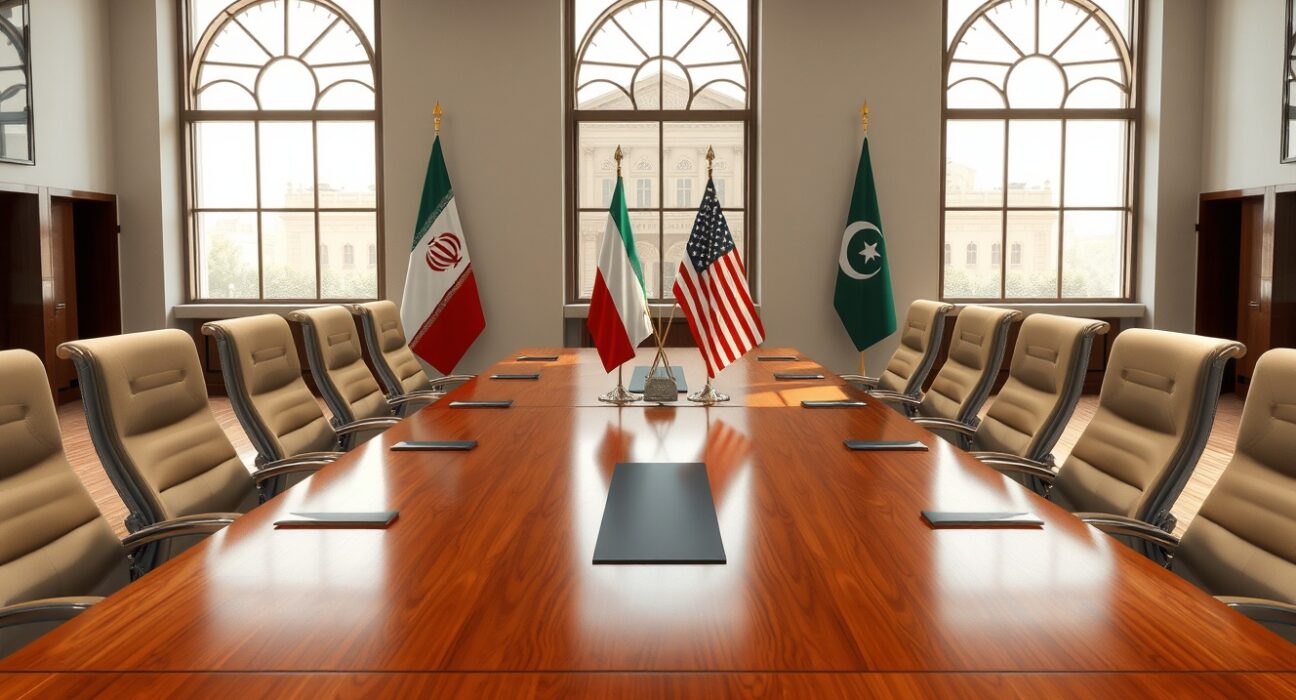
ISLAMABAD, March 2025 — In a significant diplomatic development, Iran has confirmed high-stakes negotiations with the United States will convene in Islamabad, Pakistan, with officials targeting an unprecedented 15-day timeline to reach a formal agreement. This announcement marks a potential turning point in bilateral relations, as both nations seek to politically formalize recent battlefield developments through structured diplomacy.
Iran US Talks in Islamabad: The Diplomatic Framework
Iranian officials revealed the negotiation framework on Tuesday, specifying Islamabad as the neutral venue for what they describe as “finalizing details” of a broader understanding. Consequently, the choice of Pakistan as host carries substantial geopolitical significance. Historically, Pakistan has maintained complex relationships with both nations, positioning itself as a potential mediator in regional conflicts. Moreover, the 15-day deadline indicates both urgency and specific objectives that require rapid resolution.
The Iranian statement explicitly links these talks to “politically formalizing the country’s battlefield achievements.” This terminology suggests negotiations will address security arrangements, regional influence, and potentially nuclear program limitations. Additionally, the compressed timeline reflects confidence from both sides that core issues have progressed through backchannel communications. For instance, similar diplomatic windows have preceded major agreements in Middle East history, though rarely with such public time constraints.
Historical Context of US-Iran Relations
Understanding current developments requires examining the turbulent history between Washington and Tehran. Relations have remained strained since the 1979 Iranian Revolution and subsequent hostage crisis. However, periods of engagement have emerged, most notably during the 2015 Joint Comprehensive Plan of Action (JCPOA) negotiations. The United States withdrew from that agreement in 2018 under the Trump administration, reinstating severe sanctions that crippled Iran’s economy.
Recent years have witnessed escalating tensions, particularly through proxy conflicts across the Middle East. Iranian-backed militias have engaged US forces in Iraq and Syria, while Washington has maintained pressure through economic measures and military presence. Nevertheless, both administrations have periodically expressed openness to dialogue, recognizing the risks of direct confrontation. The Islamabad talks therefore represent the most structured diplomatic engagement since Vienna negotiations stalled in 2022.
Expert Analysis: The 15-Day Timeline Significance
Diplomatic analysts note several implications of the announced timeline. First, a 15-day window suggests pre-negotiated terms exist at working levels. Second, it creates political momentum that discourages procedural delays. Third, it signals to regional actors that changes may occur rapidly. Dr. Amina Hassan, Middle East security specialist at the International Crisis Group, observes, “Compressed timelines in Middle East diplomacy typically indicate either imminent crisis requiring resolution or previously agreed parameters needing final political approval.”
The Pakistani foreign ministry has confirmed logistical preparations without commenting on substantive matters. Islamabad’s involvement provides diplomatic cover for both parties, particularly valuable for Washington given domestic political sensitivities. Meanwhile, European and Gulf states monitor developments closely, as outcomes will affect regional security architectures. Key areas likely under discussion include:
- Security guarantees for US forces in Iraq and Syria
- Nuclear program limitations and monitoring mechanisms
- Sanctions relief timelines and verification processes
- Regional proxy forces and their activities
- Economic cooperation frameworks for energy and trade
Regional Implications and Stakeholder Reactions
Neighboring countries have responded cautiously to the announcement. Saudi Arabia and Israel traditionally oppose US-Iran rapprochement without stringent conditions. Conversely, Qatar and Oman have long advocated dialogue, having hosted previous indirect talks. The United Arab Emirates maintains pragmatic engagement with Tehran despite security concerns. Regional stability hangs in balance, as agreements could reduce proxy conflicts in Yemen, Syria, and Lebanon.
European Union foreign policy chief Josep Borrell welcomed the talks, stating, “Dialogue remains essential for regional security.” Meanwhile, Russian and Chinese officials emphasized respect for Iranian sovereignty in any agreement. Domestically, Iranian hardliners have expressed skepticism about concessions, while reformists highlight economic benefits. In Washington, congressional leaders demand transparency, with some threatening to block sanctions relief without legislative approval.
| Year | Location | Outcome |
|---|---|---|
| 2015 | Vienna | JCPOA nuclear agreement signed |
| 2018 | N/A | US withdraws from JCPOA |
| 2021-2022 | Vienna | Indirect talks on JCPOA restoration |
| 2023 | Oman | Unofficial prisoner swap negotiations |
| 2025 | Islamabad | Announced direct talks with 15-day goal |
The Battlefield Achievements Dimension
Iran’s reference to “battlefield achievements” requires careful examination. Militarily, Iranian-aligned forces have expanded influence in Iraq, Syria, and Yemen despite US and allied opposition. Their drone and missile capabilities have demonstrated reach against regional targets. Diplomatically, Iran has strengthened ties with Russia and China, creating alternative economic partnerships. Strategically, they have maintained uranium enrichment at levels nearing weapons-grade while avoiding triggering overwhelming responses.
Formalizing these realities through agreement could provide Washington with verification and limitation mechanisms otherwise unavailable. For Tehran, recognition of their regional role might justify accepting constraints elsewhere. This delicate balance explains why negotiations occur now, as both sides perceive advantages in stabilization. However, the 15-day deadline pressures diplomats to resolve technical details that typically require months of discussion.
Potential Outcomes and Implementation Challenges
Several scenarios could emerge from the Islamabad talks. A comprehensive agreement seems unlikely within two weeks, but a framework declaration with implementation timelines remains possible. Alternatively, parties might announce limited confidence-building measures, such as prisoner exchanges or humanitarian trade mechanisms. Worst-case scenarios include talks collapsing amid public recriminations, potentially escalating existing tensions.
Implementation would face immediate hurdles. The US Congress could block sanctions relief, while Iranian hardliners might resist verification measures. Regional allies on both sides might undertake spoiling actions to undermine agreements. Verification mechanisms for nuclear and military commitments require intricate technical agreements typically needing extensive negotiation. Nevertheless, the mere occurrence of direct talks represents progress after years of hostility.
Conclusion
The announced Iran US talks in Islamabad constitute a diplomatic breakthrough with far-reaching implications. The ambitious 15-day timeline reflects both urgency and previously established groundwork between the adversaries. While significant obstacles remain, structured dialogue offers the most promising path toward reducing regional tensions and addressing security concerns. The international community now watches closely as diplomats attempt to translate battlefield realities into sustainable political agreements that could reshape Middle East dynamics for years to come.
FAQs
Q1: Why did Iran and the US choose Islamabad for talks?
Pakistan maintains relations with both nations and offers neutral ground. Islamabad has previously facilitated backchannel communications, providing necessary diplomatic cover without the political baggage of European venues.
Q2: What does “politically formalizing battlefield achievements” mean?
This likely refers to creating agreements that acknowledge Iran’s expanded regional influence while establishing rules and limitations. It may involve recognizing certain security realities in exchange for verifiable constraints on Iranian proxy activities and nuclear advancements.
Q3: How realistic is a 15-day timeline for such complex negotiations?
While unusually short, compressed timelines suggest major elements are pre-negotiated. The period may aim for a political framework rather than detailed technical agreements, with implementation to follow through working groups over subsequent months.
Q4: How are other Middle Eastern countries reacting?
Reactions are mixed. Israel and Saudi Arabia express caution, fearing reduced US commitment to their security. Gulf states like Qatar and Oman welcome dialogue as stabilizing. Regional actors will likely seek assurances their interests are protected in any agreement.
Q5: What happens if talks fail within the 15-day window?
Failure could lead to renewed escalation, including increased sanctions, military posturing, or proxy conflicts. However, even failed talks often establish communication channels for future engagement, potentially preventing worst-case scenarios of direct confrontation.
Disclaimer: The information provided is not trading advice, Bitcoinworld.co.in holds no liability for any investments made based on the information provided on this page. We strongly recommend independent research and/or consultation with a qualified professional before making any investment decisions.