
In a significant development for global energy markets, Iraqi federal and Kurdish regional authorities have finalized a pivotal agreement to restart oil exports through Turkey’s strategic Ceyhan port, effectively resolving a protracted dispute that halted nearly half a million barrels per day of crude flow for over a year. The breakthrough, announced in Baghdad on March 15, 2025, marks a critical step toward stabilizing both regional politics and international oil supplies.
Iraqi and Kurdish Authorities Finalize Ceyhan Export Deal
Consequently, the agreement outlines a clear framework for the management and revenue sharing of oil produced in the Kurdistan Region of Iraq (KRI). The deal specifically reactivates the Iraq-Turkey Pipeline (ITP), which terminates at the Mediterranean port of Ceyhan. This pipeline previously carried approximately 450,000 barrels per day (bpd) of Kurdish crude before its closure in March 2023. Furthermore, the pact establishes a temporary mechanism where the Iraqi federal government’s marketing arm, SOMO, will oversee all crude sales. Subsequently, revenues will be deposited into a dedicated account at the Iraqi Central Bank, with allocations for the KRG’s budgetary needs determined by the federal budget law.
The resolution follows intense negotiations mediated by several international parties. Importantly, the deal addresses long-standing legal and financial grievances from both sides. For instance, the KRG secures a guaranteed financial pathway for its public sector salary payments. Meanwhile, Baghdad gains oversight of a major revenue stream and reinforces constitutional authority over oil exports. The table below summarizes the key operational changes:
| Aspect | Pre-2023 Closure | New Agreement (2025) |
|---|---|---|
| Export Operator | KRG Ministry of Natural Resources | Iraq’s State Organization for Marketing of Oil (SOMO) |
| Revenue Control | Direct KRG control | Federal Iraqi Central Bank account |
| Pipeline Flow | ~450,000 bpd | Initial phase: ~350,000 bpd, ramping up |
| Legal Framework | Disputed | Federal budget law provisions |
Background of the Oil Export Dispute
The conflict has deep roots in Iraq’s 2005 constitution, which ambiguously divides oil resource management between Baghdad and Erbil. For years, the KRG developed its own independent energy sector, signing production-sharing contracts with international oil companies and building a separate pipeline to Ceyhan. However, Baghdad consistently deemed these contracts and exports illegal without federal approval. The dispute escalated in 2014 when the KRG began direct oil sales, leading to budgetary cuts from Baghdad. The situation reached a crisis point in March 2023 when an international arbitration ruling favored Iraq, stating Turkey had violated a 1973 pipeline agreement by allowing Kurdish exports without Baghdad’s consent. Turkey immediately halted all pipeline flows, crippling the KRG’s primary income source.
Economic and Geopolitical Pressures Forge Compromise
Mounting financial distress ultimately compelled both sides to compromise. The KRG, unable to pay public sector salaries consistently, faced severe social unrest. Simultaneously, Iraq’s federal budget suffered from the loss of a significant export route, especially as OPEC+ production quotas limited other outlets. Additionally, Turkey sought to resume flows to collect lucrative transit fees and bolster its role as a key energy corridor. International pressure, particularly from major oil companies like DNO, Genel Energy, and Gulf Keystone, which had billions invested in Kurdish fields, also intensified. These companies faced severe financial strain and lobbied their respective governments to mediate.
Immediate Impacts on Regional and Global Markets
The resumption of Ceyhan exports delivers immediate tangible effects. Firstly, it provides a crucial new supply of medium-sour crude to the Mediterranean and European markets, potentially easing price pressures. Secondly, it restores financial stability to the Kurdistan Region, allowing the KRG to address a backlog of debt to international oil companies and local contractors. Thirdly, it strengthens Iraq’s overall oil output, solidifying its position as OPEC’s second-largest producer. The deal also reduces reliance on more volatile Persian Gulf shipping routes for Kurdish crude.
Key operational steps are now underway:
- Pipeline Inspection and Preparation: Teams are assessing the integrity of the idle ITP.
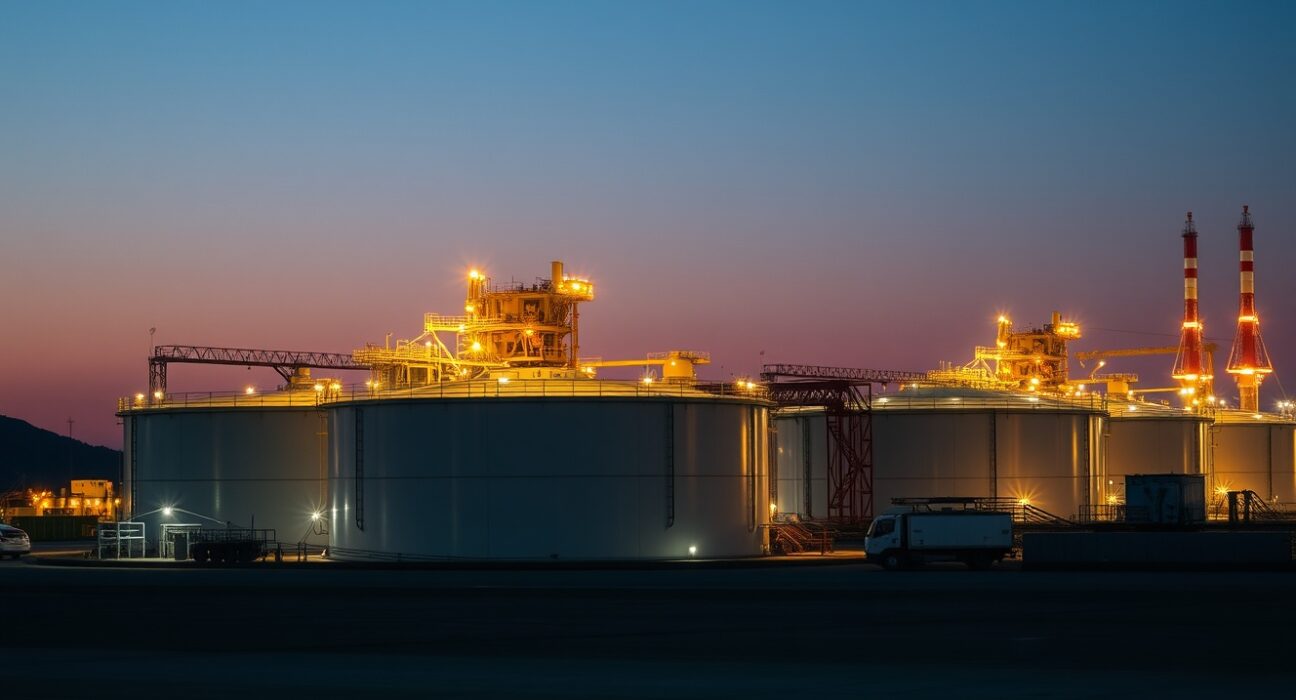
- Storage Tank Management: Clearing millions of barrels of stranded crude at Ceyhan.
- Payment Mechanism Activation: Establishing the federal bank account and transfer protocols.
- Company Invoicing: Enabling IOCs to receive overdue payments for past production.
Long-Term Implications and Challenges
While the deal is a breakthrough, significant challenges persist. The agreement is temporary, linked to the current federal budget year. A permanent oil and gas law, debated for nearly two decades, remains elusive. Furthermore, the revenue-sharing model must be tested, and disputes over contract sanctity for IOCs are not fully resolved. Turkey’s final approval and operational coordination are also critical final steps. Nevertheless, the agreement establishes a vital precedent for cooperation. It demonstrates that shared economic necessity can overcome deep political divisions, offering a model for resolving other federal-regional disputes in Iraq.
Conclusion
The deal between Iraqi and Kurdish authorities to resume oil exports via Ceyhan port is a landmark achievement with far-reaching consequences. It stabilizes Iraq’s economy, injects crucial oil into global markets, and provides a fragile but functional blueprint for federal-KRG cooperation. The successful implementation of this Ceyhan port agreement will be closely watched by energy traders, geopolitical analysts, and the people of Iraq, for whom it promises greater financial security and a potential path toward lasting political resolution.
FAQs
Q1: Why were oil exports from Kurdistan to Ceyhan halted?
The flows were stopped in March 2023 following an International Chamber of Commerce arbitration ruling. This ruling stated that Turkey violated a 1973 pipeline agreement by allowing the Kurdistan Regional Government to export oil without the approval of the federal Iraqi government in Baghdad.
Q2: What does the new deal change about who controls the oil?
Under the new agreement, the Iraqi federal government’s oil marketing agency, SOMO, will control all sales of Kurdish crude. The revenues will go to a dedicated account at the Iraqi Central Bank in Baghdad, with a portion then allocated to the KRG for its budgetary needs, as per the federal budget law.
Q3: How much oil will flow through the Ceyhan port now?
Initial exports are expected to ramp up to around 350,000 barrels per day. This is slightly lower than the pre-halt volume of roughly 450,000 bpd, allowing for a gradual and managed restart of pipeline operations and market reintegration.
Q4: What are the main benefits for the Kurdistan Regional Government?
The primary benefit is the restoration of a sustainable revenue stream. This will allow the KRG to reliably pay public sector salaries, settle debts with international oil companies, and fund essential services, thereby reducing social and economic instability in the region.
Q5: Is this a permanent solution to the oil dispute?
No, the current deal is a temporary mechanism linked to the federal budget cycle. A permanent resolution requires the passage of a national oil and gas law, which has been stalled in the Iraqi parliament for years. The agreement is a crucial step but not a final legislative solution.
Disclaimer: The information provided is not trading advice, Bitcoinworld.co.in holds no liability for any investments made based on the information provided on this page. We strongly recommend independent research and/or consultation with a qualified professional before making any investment decisions.