

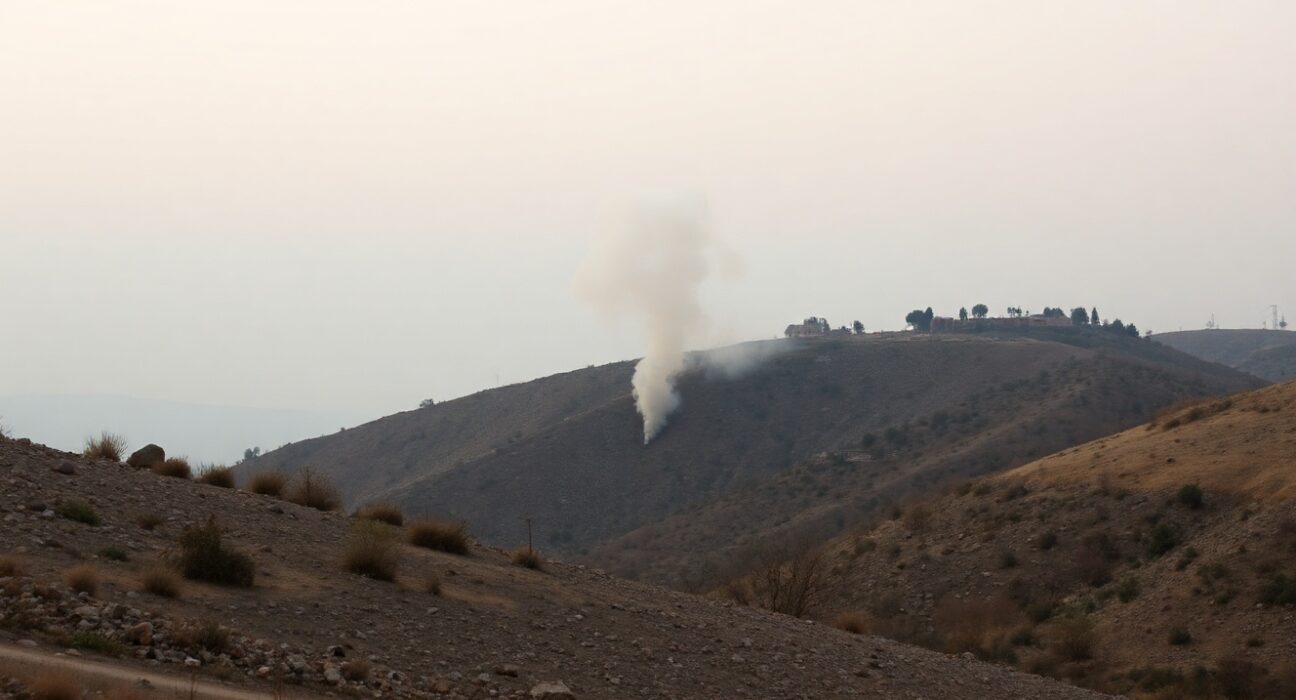
Israeli artillery units have once again targeted the Rahbeh area in the Nabatieh region of southern Lebanon, according to reports from Iranian media outlets, including Mehr News Agency, IRNA, and Fars News Agency. The strikes come amid escalating ground-level clashes between Hezbollah forces and the Israeli military on multiple fronts in southern Lebanon.
Renewed Hostilities in Southern Lebanon
The latest artillery barrage marks a continuation of cross-border violence that has intensified over recent days. Local sources report that Hezbollah fighters have engaged Israeli troops in several areas, with the militant group claiming to have destroyed at least five military vehicles. In response, four Israeli helicopters were reportedly deployed to the region to evacuate wounded soldiers, indicating a significant level of engagement.
Context and Background
The Rahbeh area, located in the Nabatieh Governorate, has been a flashpoint in the broader Israel-Hezbollah conflict. This region has witnessed periodic exchanges of fire, often linked to broader geopolitical tensions involving Iran, which supports Hezbollah. The current escalation follows a pattern of retaliatory strikes and border incidents that have raised concerns about a wider conflict.
Implications for Regional Stability
The ongoing clashes are significant for several reasons. First, they highlight the fragility of the ceasefire that has largely held since the 2006 war. Second, the involvement of helicopter evacuations suggests that Israeli forces have sustained casualties, which could prompt a stronger response. Third, the timing of these strikes coincides with heightened diplomatic efforts to de-escalate tensions in the region, making the situation particularly volatile.
Conclusion
The renewed Israeli strikes on southern Lebanon and the subsequent Hezbollah counterattacks represent a serious escalation in a long-standing conflict. With reports of destroyed military vehicles and medical evacuations, the situation remains fluid. Readers should monitor official statements from both sides as the events develop, as the potential for further escalation remains high.
FAQs
Q1: Why is Israel striking southern Lebanon?
Israel has conducted strikes in response to what it perceives as threats from Hezbollah, including cross-border attacks and the presence of military infrastructure near the border.
Q2: What is Hezbollah’s role in the conflict?
Hezbollah is a Lebanese militant group and political party backed by Iran. It has a history of armed conflict with Israel and often engages in cross-border skirmishes.
Q3: How does this affect civilians in the region?
Civilians in southern Lebanon face direct risks from artillery and airstrikes, while Israeli communities near the border are also vulnerable to rocket fire. The clashes disrupt daily life and increase the risk of displacement.
Disclaimer: The information provided is not trading advice, Bitcoinworld.co.in holds no liability for any investments made based on the information provided on this page. We strongly recommend independent research and/or consultation with a qualified professional before making any investment decisions.
