

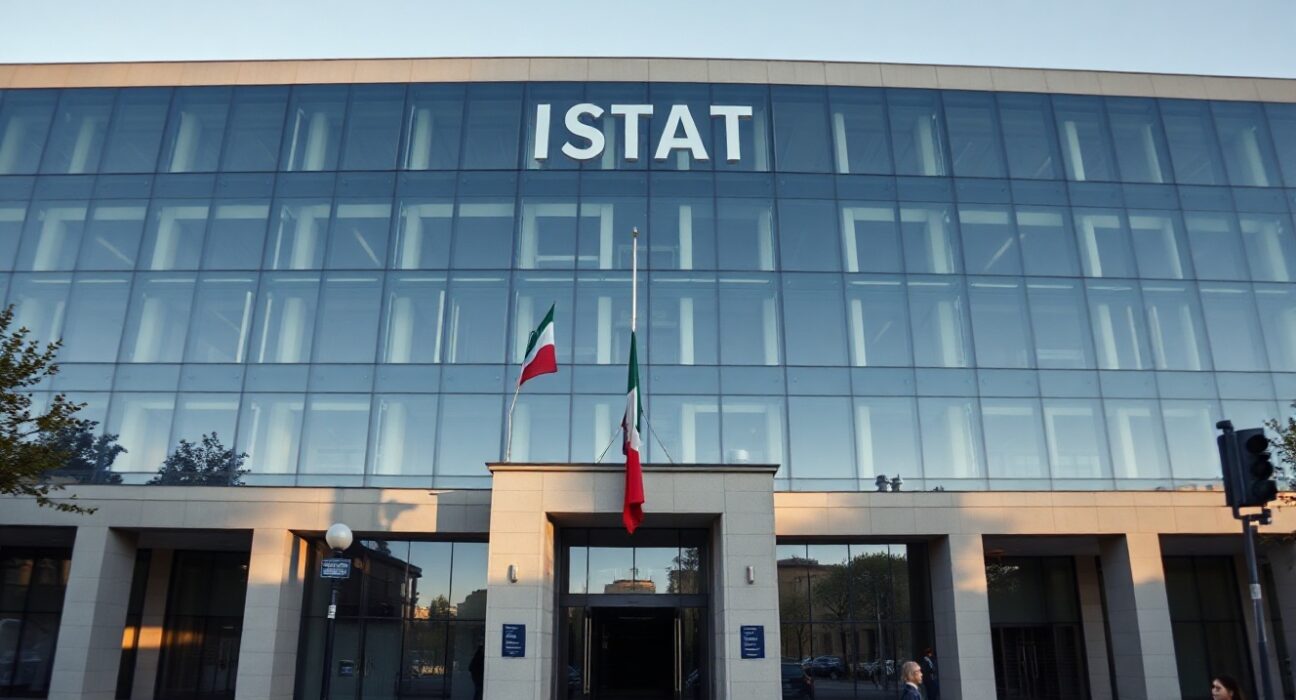
Italy’s consumer price index, harmonized to EU standards, fell by 1% month-on-month in July, matching market expectations, according to preliminary data released by ISTAT. On an annual basis, the EU-harmonized inflation rate held steady at 0.8%.
Monthly Decline Driven by Seasonal Factors
The 1% monthly drop in the EU-harmonized CPI largely reflects the impact of summer sales on clothing and other goods, a recurring seasonal pattern. This decline aligns with analyst forecasts, indicating no unexpected price pressures in the Italian economy during the month.
Core inflation, which excludes energy and fresh food, also showed signs of easing, suggesting that underlying price pressures remain contained. The data reinforces the view that Italy is experiencing subdued inflationary conditions, consistent with the broader Eurozone trend.
Comparison with National CPI and Eurozone Context
Italy’s national CPI (including tobacco) is also reported separately, and while it typically shows a slightly different trend, the EU-harmonized measure is the key benchmark used by the European Central Bank (ECB) for monetary policy decisions. The annual rate of 0.8% remains well below the ECB’s 2% target, reflecting weak domestic demand and modest economic growth.
This figure is in line with the Eurozone average, where inflation has been gradually declining. For Italy, the persistently low inflation rate underscores the challenges facing the economy, including high public debt and sluggish productivity growth.
Implications for Monetary Policy and Consumers
For the ECB, the continued low inflation in Italy and the broader Eurozone supports the case for maintaining a cautious approach to interest rate adjustments. The data provides no immediate pressure for policy tightening, and market participants will likely view this as a neutral indicator.
For Italian consumers, low inflation means stable purchasing power, but it also reflects weak wage growth and subdued economic activity. The lack of price pressure may offer some relief to households, yet it also signals that the economy is not operating at full capacity.
Conclusion
Italy’s July inflation data, with a 1% monthly decline in the EU-harmonized index and an annual rate of 0.8%, confirms a stable but weak price environment. The figures match expectations and provide no surprises for policymakers, while highlighting the ongoing disinflationary trend in the Eurozone’s third-largest economy.
FAQs
Q1: What is the EU-harmonized CPI?
The EU-harmonized CPI (HICP) is a standardized measure of inflation used across European Union member states to allow for direct comparison. It is calculated using a common methodology and is the primary indicator used by the European Central Bank.
Q2: Why did Italy’s CPI fall by 1% month-on-month in July?
The monthly decline is largely due to seasonal summer sales, which reduce prices for clothing and other goods. This pattern is typical for July and was fully anticipated by economists.
Q3: How does Italy’s inflation rate compare to the ECB’s target?
Italy’s annual inflation rate of 0.8% is significantly below the European Central Bank’s target of 2% over the medium term. This indicates subdued price pressures and weak demand in the Italian economy.
Disclaimer: The information provided is not trading advice, Bitcoinworld.co.in holds no liability for any investments made based on the information provided on this page. We strongly recommend independent research and/or consultation with a qualified professional before making any investment decisions.
