

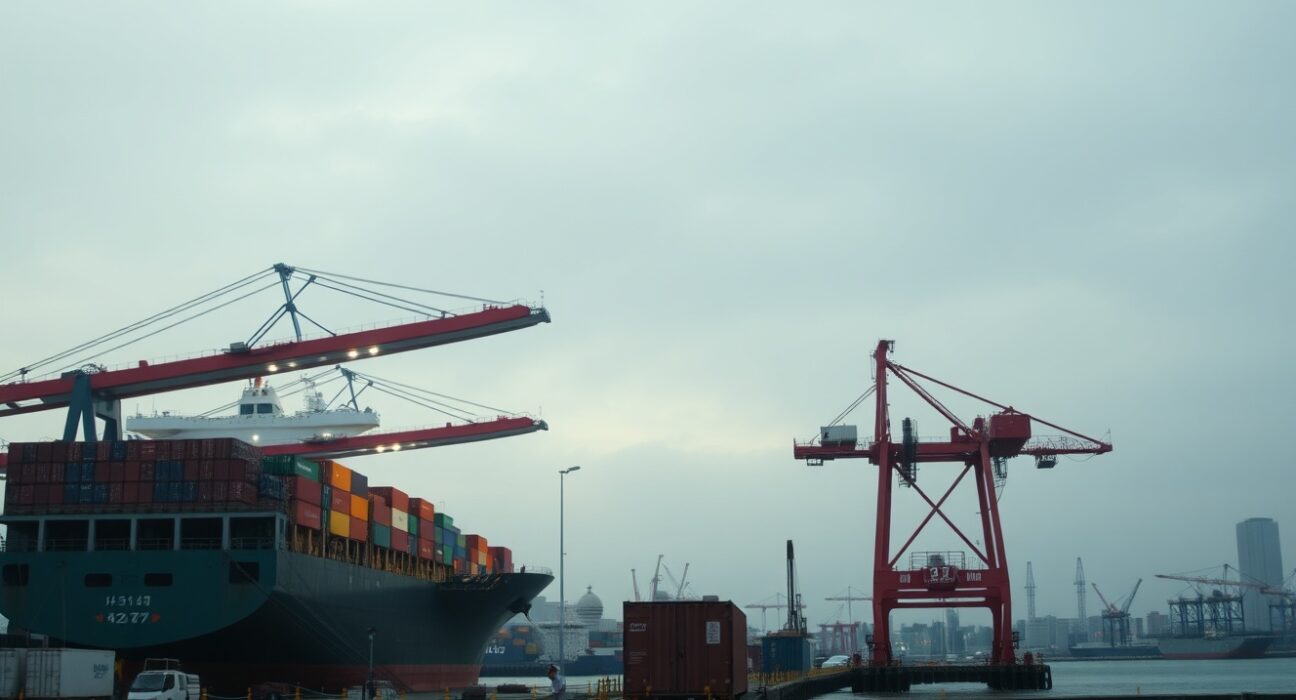
Japan’s merchandise trade balance recorded a deficit of ¥-406.9 billion in June, significantly wider than the market consensus forecast of ¥-120 billion, according to official data released by the Ministry of Finance. The actual figure, reported on July 18, 2024, underscores a sharper-than-expected deterioration in the country’s external trade position during the month.
June Trade Data: A Closer Look at the Numbers
The ¥-406.9 billion deficit marks a substantial miss against economists’ projections, which had anticipated a more moderate shortfall. The data, compiled from preliminary customs-cleared figures, reflects the balance between the total value of Japan’s exports and imports. While the headline figure captures the net trade position, the underlying components—export volumes, import prices, and currency effects—all contributed to the wider gap. Market participants had been watching for signs of stabilization in Japan’s trade flows, but the June results suggest persistent pressure from elevated import costs and fluctuating global demand.
Why This Matters for the Japanese Economy
The larger-than-expected trade deficit carries implications for Japan’s gross domestic product (GDP) calculations, as net exports are a direct component of economic growth. A widening deficit typically subtracts from GDP, potentially weighing on the country’s recovery trajectory. Furthermore, the persistent deficit puts downward pressure on the Japanese yen, as it reflects a net outflow of currency to pay for imports. For businesses and consumers, a weaker yen exacerbates the cost of imported energy, food, and raw materials, feeding into domestic inflation. The Bank of Japan, which has maintained an ultra-loose monetary policy, now faces a more complex trade-off between supporting growth and managing price stability.
Market Reaction and Forward Outlook
Following the data release, the yen remained under pressure in early Asian trading, while Japanese government bond yields edged slightly higher. Analysts at major financial institutions noted that the magnitude of the miss raises questions about the durability of Japan’s export sector, particularly in the face of slowing demand from key trading partners like China and the United States. The coming months will be critical: if the deficit persists or widens further, it could prompt a reassessment of Japan’s economic outlook and add urgency to policy discussions around energy security and trade diversification.
Conclusion
Japan’s June merchandise trade balance of ¥-406.9 billion represents a clear and significant miss against market expectations of ¥-120 billion. The data highlights ongoing structural challenges in Japan’s trade position, driven by high import costs and external demand headwinds. For investors and policymakers, the widening deficit reinforces the need for close monitoring of trade flows, currency dynamics, and their broader impact on the Japanese economy.
FAQs
Q1: What is the merchandise trade balance?
The merchandise trade balance measures the difference between a country’s exports and imports of physical goods. A deficit means imports exceed exports, while a surplus means exports exceed imports.
Q2: Why did Japan’s trade deficit miss expectations so significantly in June?
The exact reasons are detailed in the full Ministry of Finance report, but common factors include persistently high global energy and commodity prices, a weaker yen increasing the cost of imports, and softer demand for Japanese exports from key markets.
Q3: How does a trade deficit affect the average person in Japan?
A sustained trade deficit can contribute to a weaker yen, which makes imported goods—such as food, fuel, and electronics—more expensive for consumers, potentially reducing purchasing power and contributing to higher living costs.
Disclaimer: The information provided is not trading advice, Bitcoinworld.co.in holds no liability for any investments made based on the information provided on this page. We strongly recommend independent research and/or consultation with a qualified professional before making any investment decisions.
