

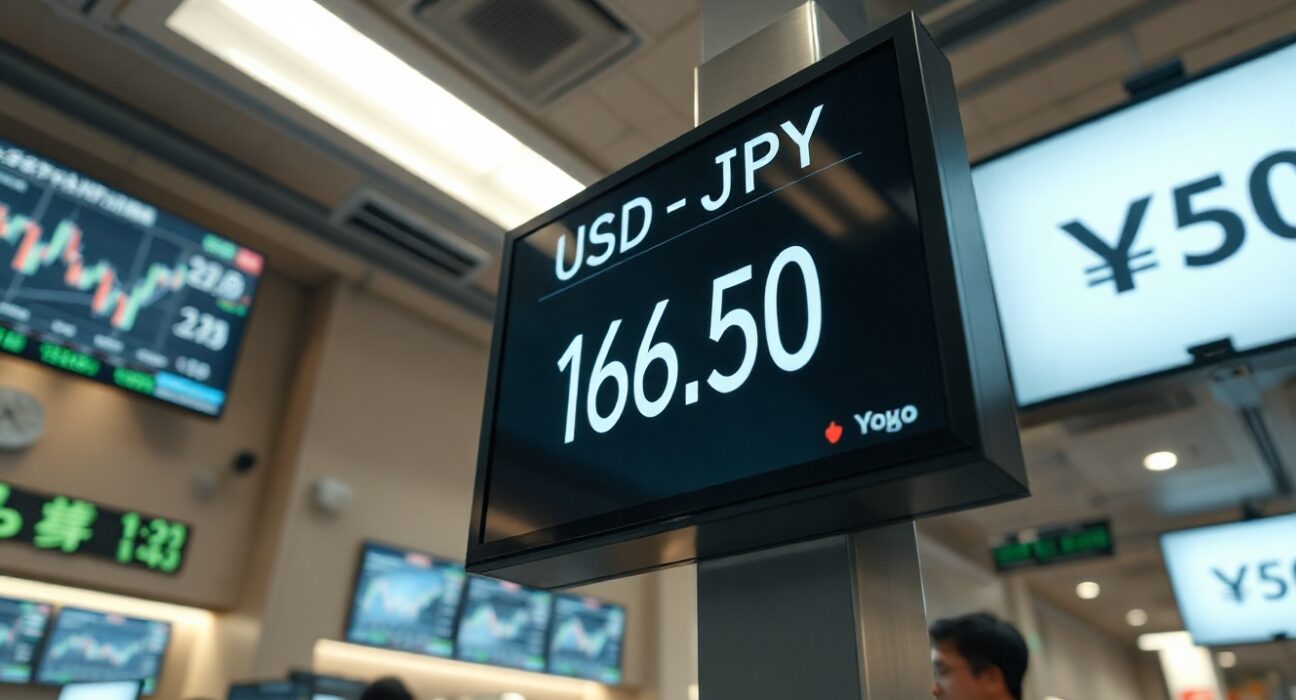
The Japanese Yen remained largely unchanged against the US dollar on Tuesday, hovering near the 161.50 level as market participants maintained a heightened state of alert for potential intervention by Japanese authorities. The currency pair has been trading in a narrow range, reflecting a delicate balance between persistent US dollar strength and growing expectations of policy action from Tokyo.
Yen Under Pressure Amid Dovish BoJ Stance
The Yen’s weakness is primarily driven by the wide interest rate differential between Japan and the United States. The Bank of Japan (BoJ) has maintained its ultra-loose monetary policy, while the Federal Reserve has kept rates elevated to combat inflation. This divergence continues to weigh on the Yen, pushing it toward levels that have historically triggered intervention.
Japanese officials, including Finance Minister Shunichi Suzuki and Vice Finance Minister for International Affairs Masato Kanda, have repeatedly warned against speculative moves and reiterated their readiness to take appropriate action. However, the market remains skeptical about the timing and effectiveness of any potential intervention.
Market Implications and Trader Sentiment
Traders are now pricing in a higher probability of intervention if the Yen weakens further toward the 162.00 level. The 160.00–162.00 range has been a key psychological zone, with previous intervention occurring near these levels in 2022. The current flatlining suggests a standoff between market forces and official vigilance.
For forex traders, the key risk is a sudden spike in Yen volatility if intervention materializes. This could lead to sharp, short-term reversals and increased margin requirements. For importers and exporters, sustained Yen weakness benefits Japanese exporters but raises import costs, particularly for energy and raw materials.
Broader Economic Context
Japan’s economy faces a mixed picture. While a weaker Yen supports corporate earnings for exporters like Toyota and Sony, it also drives up living costs for households through higher energy and food prices. The BoJ’s next policy meeting in late July will be closely watched for any shift in language or action.
Conclusion
The USD/JPY pair’s consolidation near 161.50 reflects a tense equilibrium. While the Yen’s fundamental weakness persists, the threat of intervention caps further upside for the dollar. Traders should remain cautious, monitor official statements closely, and prepare for potential sudden moves. The coming days will be critical in determining whether authorities step in or allow market forces to dictate the next direction.
FAQs
Q1: Why is the Japanese Yen so weak?
The Yen is under pressure due to the large interest rate gap between Japan and the US. The Bank of Japan maintains negative or near-zero rates, while the Federal Reserve holds rates above 5%, making dollar-denominated assets more attractive.
Q2: What level would trigger Japanese intervention?
Historically, the 160.00–162.00 range has been a trigger zone. In 2022, Japan intervened when USD/JPY approached 152.00, but the current level of 161.50 is already beyond that. Officials have not set a specific line but have warned against rapid, speculative moves.
Q3: How does Yen weakness affect the average Japanese consumer?
A weaker Yen increases the cost of imported goods, including energy, food, and raw materials. This contributes to higher inflation for households, even as it benefits large exporters by making their products cheaper abroad.
Disclaimer: The information provided is not trading advice, Bitcoinworld.co.in holds no liability for any investments made based on the information provided on this page. We strongly recommend independent research and/or consultation with a qualified professional before making any investment decisions.
