

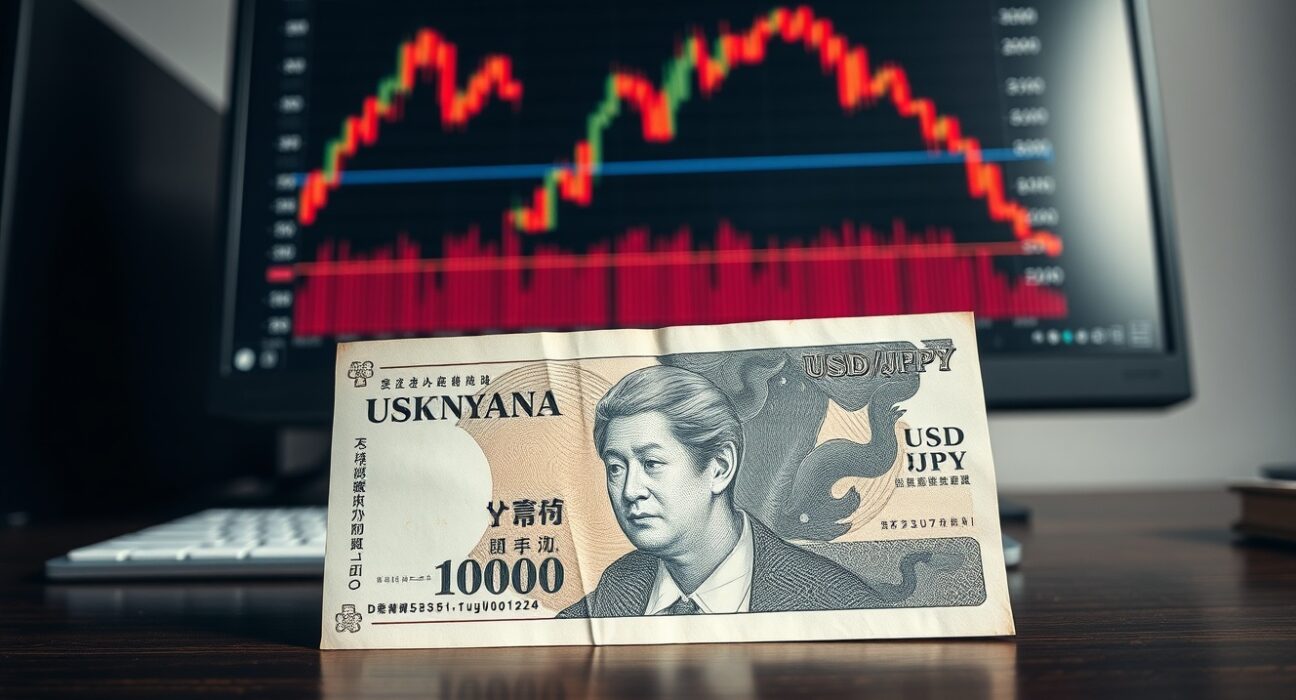
The Japanese Yen has entered uncharted territory following the Bank of Japan’s (BOJ) historic interest rate hike, the largest in decades, which has unexpectedly propelled the currency into levels that traditionally trigger government intervention. Market analysts are closely watching for potential action from Japanese authorities as the Yen’s strength threatens export competitiveness and economic stability.
Context and Background of the Rate Hike
On March 19, 2024, the BOJ raised its benchmark interest rate from -0.1% to a range of 0% to 0.1%, marking the first rate increase in 17 years and ending the world’s last negative interest rate policy. This move, widely anticipated by markets, was aimed at combating rising inflation and normalizing monetary policy after years of ultra-loose stimulus. However, the subsequent appreciation of the Yen has been more pronounced than many economists expected, pushing the currency to levels not seen since the early 2022 intervention by the Ministry of Finance.
The Yen strengthened sharply against the US Dollar, breaching the 140 level, a psychological threshold that has historically prompted verbal warnings and, in some cases, direct market intervention. Japanese officials, including Finance Minister Shunichi Suzuki, have reiterated their stance that excessive volatility is undesirable and that they are monitoring the market with a high sense of urgency.
Market Implications and Investor Reactions
The Yen’s rapid ascent has created significant ripple effects across global forex markets. Export-heavy Japanese corporations, such as Toyota and Sony, which benefit from a weaker Yen, face potential earnings headwinds. Conversely, importers and consumers may see relief from rising costs of energy and raw materials, which have been a key driver of domestic inflation.
Impact on Carry Trades and Global Flows
The rate hike has also disrupted the popular Yen carry trade, where investors borrowed cheaply in Yen to invest in higher-yielding assets elsewhere. As the Yen appreciates, these trades unwind, adding further upward pressure on the currency and increasing volatility in emerging markets and risk assets. Analysts at Nomura Securities estimate that a 10% appreciation in the Yen could reduce Japanese GDP growth by 0.3 percentage points over the next year.
Historical Precedents and Intervention Risks
Japan has a history of intervening in currency markets to curb excessive volatility. In September and October 2022, the Ministry of Finance spent over $60 billion to support the Yen when it weakened to 150 against the Dollar. Now, with the Yen strengthening, the risk of intervention to prevent an overly rapid appreciation is real. Traders are pricing in a higher probability of official action, with options markets showing elevated premiums for Yen volatility.
The BOJ’s decision to raise rates, while historic, also reflects a delicate balancing act. The central bank must manage inflation expectations without triggering a recession or destabilizing the bond market. Governor Kazuo Ueda has emphasized that future rate hikes will be data-dependent, but the market is already pricing in additional tightening later this year.
Conclusion
The Japanese Yen’s historic rate hike has placed the currency squarely in intervention territory, creating a complex environment for policymakers, investors, and businesses. While the move signals confidence in Japan’s economic recovery, the rapid appreciation of the Yen poses new challenges. Market participants will remain vigilant for any signs of official action, as the BOJ and Ministry of Finance navigate this uncharted path. The coming weeks will be critical in determining whether the Yen’s strength is a temporary adjustment or the beginning of a sustained trend.
FAQs
Q1: Why is the Japanese Yen strengthening after the rate hike?
The rate hike ended Japan’s negative interest rate policy, making the Yen more attractive to investors seeking yield. This increased demand for the currency, driving its value higher against other major currencies like the US Dollar.
Q2: What does ‘intervention territory’ mean for the Yen?
It refers to exchange rate levels that Japanese authorities consider extreme or disruptive, prompting them to buy or sell Yen in the open market to stabilize the currency. Historically, rapid moves beyond key thresholds like 140 or 150 against the Dollar have triggered intervention.
Q3: How does a stronger Yen affect the Japanese economy?
A stronger Yen benefits consumers and importers by lowering the cost of foreign goods and raw materials, reducing inflation. However, it hurts exporters by making their products more expensive abroad, potentially reducing profits and economic growth.
Disclaimer: The information provided is not trading advice, Bitcoinworld.co.in holds no liability for any investments made based on the information provided on this page. We strongly recommend independent research and/or consultation with a qualified professional before making any investment decisions.
