

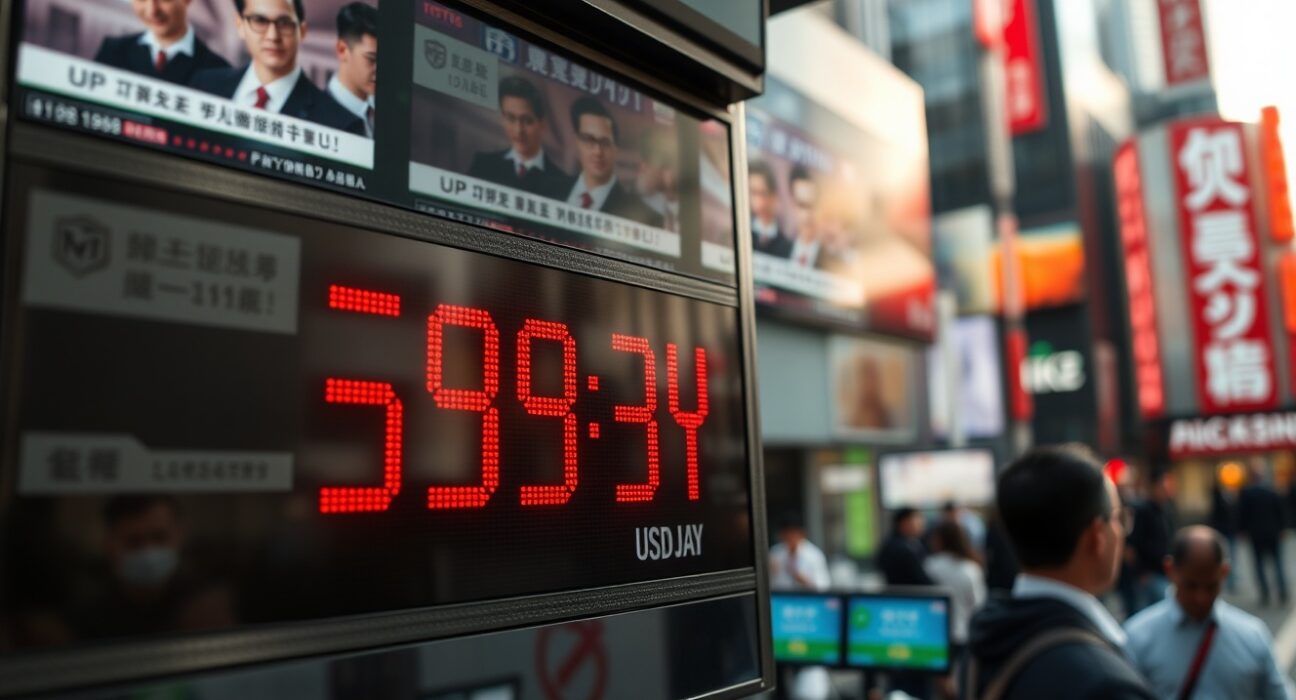
The Japanese yen remains under pressure, hovering near a multi-week low against the US dollar as escalating geopolitical risks in the Middle East continue to fuel risk aversion across global markets. Investors are closely monitoring the impact of rising tensions on energy prices and trade flows, which could further weigh on Japan’s import-dependent economy.
Safe-Haven Dynamics and Dollar Strength
While the yen is traditionally considered a safe-haven currency, the current environment has seen capital flows favor the US dollar instead. The greenback has strengthened on expectations that the Federal Reserve may maintain higher interest rates for longer, partly due to inflationary pressures stemming from higher oil prices linked to the Mideast conflict. This divergence in monetary policy outlook has widened the yield gap between US and Japanese government bonds, putting additional downward pressure on the yen.
Economic Risks for Japan
Japan’s economy is particularly vulnerable to the spillover effects of the Mideast tensions. As a major importer of crude oil, any sustained increase in energy costs would raise production and transportation expenses, potentially stalling the country’s fragile economic recovery. The Bank of Japan has maintained its ultra-loose monetary policy stance, which contrasts sharply with the hawkish posture of other central banks, further contributing to the yen’s weakness.
Market Implications and Trader Positioning
Currency traders are now pricing in the possibility of further yen depreciation if the geopolitical situation deteriorates. The USD/JPY pair has been testing key resistance levels, and a breakout above recent highs could open the door for additional losses. However, any de-escalation in the Middle East or a surprise shift in BOJ policy could trigger a sharp reversal. Analysts advise caution, noting that the market remains highly sensitive to headline risks.
Conclusion
The Japanese yen’s near-term trajectory will likely be dictated by developments in the Middle East and the relative pace of monetary policy between the BOJ and the Federal Reserve. Until a clearer direction emerges, the yen is expected to remain vulnerable, with the USD/JPY pair staying elevated near its recent multi-week lows.
FAQs
Q1: Why is the Japanese yen falling despite being a safe-haven currency?
While the yen is traditionally a safe haven, the current market is favoring the US dollar due to higher US interest rates and the dollar’s role as the primary global reserve currency during times of extreme uncertainty. Japan’s continued ultra-loose monetary policy also makes the yen less attractive compared to higher-yielding currencies.
Q2: How do Mideast tensions specifically affect the yen?
Rising tensions in the Middle East push up oil prices, which hurts Japan’s trade balance since it imports most of its energy. This economic vulnerability, combined with the BOJ’s dovish stance, encourages investors to sell yen for dollars or other currencies perceived as more resilient.
Q3: What could reverse the yen’s current weakness?
A significant de-escalation in Mideast conflicts, a surprise hawkish shift from the Bank of Japan, or a sharp drop in US bond yields could all strengthen the yen. Direct intervention by Japanese authorities to support the currency is also a possibility if the sell-off becomes disorderly.
Disclaimer: The information provided is not trading advice, Bitcoinworld.co.in holds no liability for any investments made based on the information provided on this page. We strongly recommend independent research and/or consultation with a qualified professional before making any investment decisions.
