

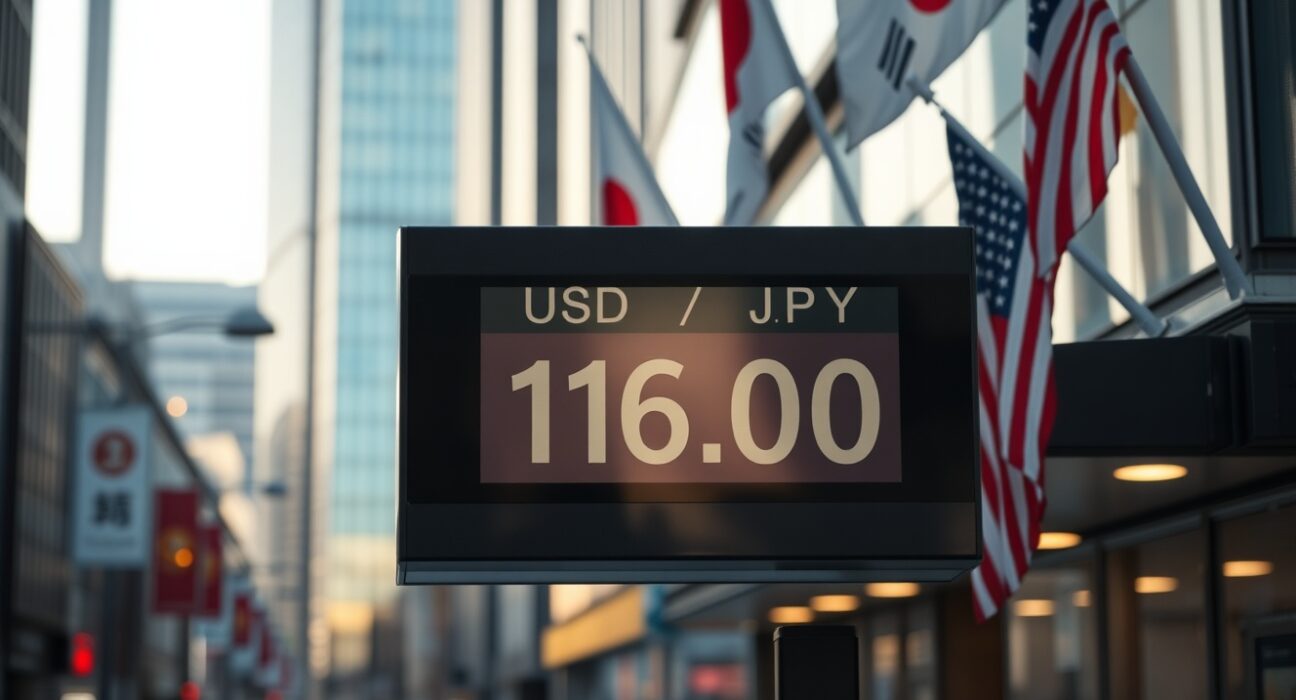
The Japanese yen weakened past the 162.00 mark against the US dollar on Thursday, touching its lowest level in approximately 38 years. The sharp move underscores persistent pressure on the yen as interest rate differentials between Japan and the United States remain wide.
Drivers Behind the Yen’s Decline
The latest leg lower follows comments from Federal Reserve officials signaling that US interest rates may stay higher for longer, while the Bank of Japan has maintained its ultra-loose monetary policy stance. The divergence has made the dollar more attractive to yield-seeking investors, fueling sustained selling of the yen.
Market participants are closely watching for potential intervention from Japanese authorities. Finance Minister Shunichi Suzuki reiterated that the government is monitoring currency moves with a high sense of urgency, but refrained from signaling immediate action. Traders remain cautious, as previous intervention levels near 160.00 did not produce lasting support for the yen.
Market Impact and Broader Implications
The yen’s slide has significant implications for Japan’s import-dependent economy. A weaker yen increases the cost of imported energy, food, and raw materials, putting upward pressure on consumer prices. For Japanese households, this erodes purchasing power despite nominal wage gains.
On the corporate side, exporters like Toyota and Sony benefit from a weaker yen, as their overseas earnings are worth more when repatriated. However, small and medium-sized enterprises that rely on imports face margin compression.
Global Currency Markets React
The yen’s decline has also influenced other currency pairs. The euro and British pound gained ground against the yen, while emerging market currencies faced mixed pressure. The broader dollar strength continues to weigh on currencies across Asia, with the Chinese yuan and South Korean won also trading near multi-year lows.
Investors are now pricing in a higher probability of coordinated intervention, though analysts remain skeptical that any single action can reverse the trend without a shift in monetary policy from the Bank of Japan.
Conclusion
The yen’s fall below 162.00 marks a historic moment for Japan’s currency markets. While the move reflects fundamental economic forces, the risk of intervention looms. For global investors, the yen’s trajectory remains a key barometer of broader market sentiment toward risk and interest rate expectations.
FAQs
Q1: Why is the Japanese yen falling so sharply?
The yen is under pressure because of the wide interest rate gap between the US and Japan. The Federal Reserve has kept rates high to fight inflation, while the Bank of Japan maintains negative or near-zero rates, making the dollar more attractive for carry trades.
Q2: Will Japan intervene to support the yen?
Japanese officials have repeatedly warned about excessive volatility. The government intervened in 2022 when the yen approached 152, but the current move past 162 may prompt a response. However, intervention alone is unlikely to change the trend without policy adjustments.
Q3: How does a weak yen affect the average Japanese consumer?
A weaker yen makes imports more expensive, raising the cost of food, energy, and other goods. This contributes to higher inflation at home, which can reduce real household income if wages do not keep pace.
Disclaimer: The information provided is not trading advice, Bitcoinworld.co.in holds no liability for any investments made based on the information provided on this page. We strongly recommend independent research and/or consultation with a qualified professional before making any investment decisions.
