

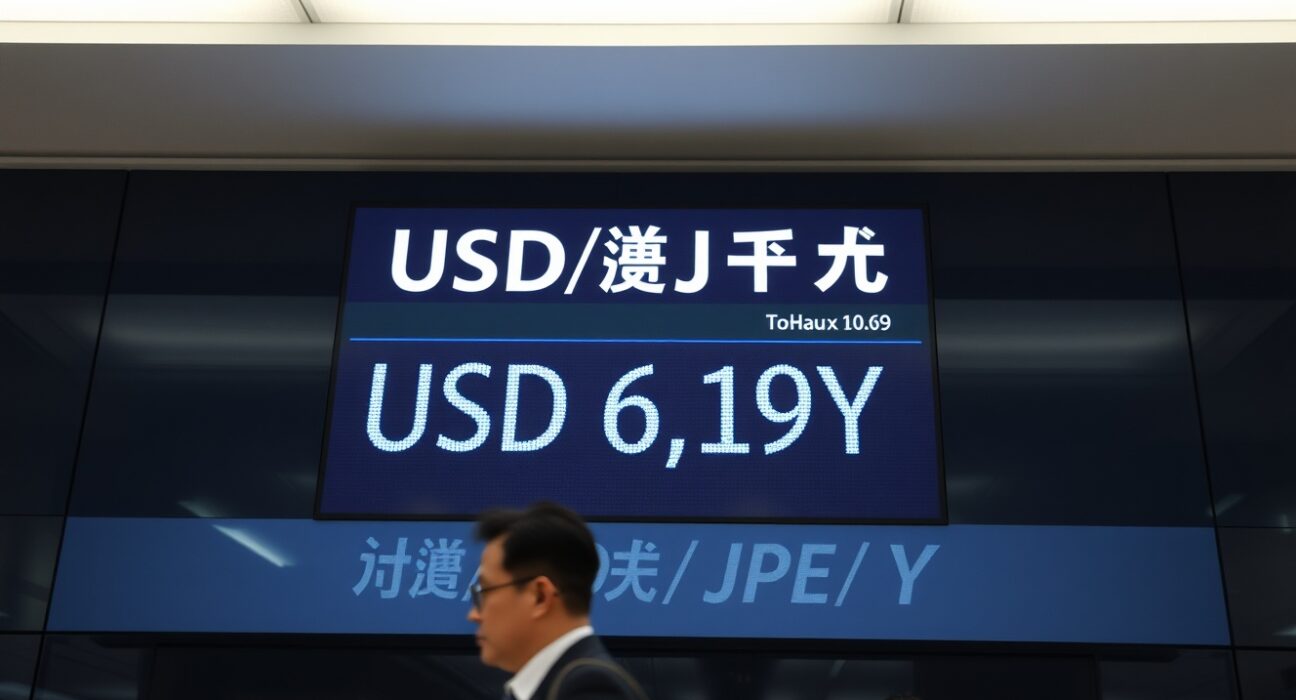
The Japanese yen extended its decline against the US dollar on Wednesday, touching levels not seen since 1986, as traders closely monitored the possibility of intervention by Japanese authorities. The yen weakened past the 165 mark against the dollar, a threshold that has historically prompted verbal warnings and, in some cases, direct market action from the Bank of Japan and the Ministry of Finance.
What Drove the Yen to a 38-Year Low?
The yen’s slide reflects a persistent divergence in monetary policy between Japan and the United States. While the Federal Reserve has maintained relatively high interest rates to combat inflation, the Bank of Japan has kept its benchmark rate near zero, making the yen less attractive to yield-seeking investors. The gap has widened further in recent weeks as stronger-than-expected US economic data reduced expectations of near-term Fed rate cuts.
Additionally, market participants have pointed to a lack of clear commitment from Japanese officials regarding the timing and scale of potential intervention. Finance Minister Shunichi Suzuki reiterated on Tuesday that authorities are watching currency moves with a high sense of urgency, but stopped short of signaling immediate action. This ambiguity has emboldened speculative traders to continue selling the yen.
Intervention Risks and Historical Precedent
Japan last intervened in the currency market in October 2022, when the yen weakened to around 151 against the dollar. That intervention involved a coordinated effort by the BOJ and the Ministry of Finance, with reported spending of over $60 billion to support the currency. However, the current level of 165 represents a significantly deeper depreciation, raising questions about the effectiveness of another intervention without accompanying policy changes.
Analysts at major investment banks have noted that intervention becomes more likely when the pace of depreciation accelerates, rather than at a specific level. The yen has lost nearly 15% of its value against the dollar since the start of 2024, making it one of the worst-performing major currencies this year.
What This Means for Japanese Consumers and Businesses
A weaker yen has a mixed impact on Japan’s economy. On one hand, it boosts export competitiveness for major manufacturers like Toyota and Sony, which report earnings in yen but generate significant revenue overseas. On the other hand, it drives up the cost of imported energy, food, and raw materials, squeezing household budgets and small businesses. Japan imports nearly all of its oil and a large portion of its wheat and corn, making the currency decline a direct contributor to domestic inflation.
For Japanese consumers, the weakening yen has already pushed up prices at the grocery store and the gas pump. The government has introduced subsidies to cushion the blow, but those measures are temporary and may not be sustainable if the yen continues to fall.
Global Market Implications
The yen’s decline also carries implications for global financial markets. A weaker yen can pressure other Asian currencies, as countries like South Korea and China may feel compelled to prevent their own currencies from appreciating too much against the yen, potentially triggering competitive devaluations. Furthermore, Japanese investors—who hold trillions of dollars in foreign bonds and assets—may repatriate funds if the yen weakens further, causing volatility in US and European bond markets.
Traders are now watching for any signs of coordinated action among G7 nations, though such cooperation is rare and typically reserved for extreme market dislocations.
Conclusion
The yen’s slide to a 1986 low underscores the profound impact of monetary policy divergence and the limits of verbal intervention. While Japanese authorities retain the tools to slow the currency’s decline, a lasting reversal would likely require a shift in the BOJ’s policy stance or a significant change in the global interest rate environment. For now, markets remain on edge, with the potential for sudden intervention adding an extra layer of uncertainty to an already volatile forex landscape.
FAQs
Q1: Why is the Japanese yen falling so sharply?
The yen is declining primarily because of the wide interest rate gap between Japan and the US. The Federal Reserve has kept rates high, while the Bank of Japan maintains near-zero rates, making the yen less attractive for carry trades and other yield-seeking strategies.
Q2: Will Japan intervene to support the yen?
Intervention is possible but not guaranteed. Japanese officials have signaled concern, but have not committed to action. Intervention becomes more likely if the pace of depreciation accelerates or if the yen moves in a disorderly manner.
Q3: How does a weak yen affect the average Japanese citizen?
A weak yen raises the cost of imported goods, including food, fuel, and energy, leading to higher living expenses. While it helps exporters, the overall impact on households is generally negative, as real wages have struggled to keep pace with inflation.
Disclaimer: The information provided is not trading advice, Bitcoinworld.co.in holds no liability for any investments made based on the information provided on this page. We strongly recommend independent research and/or consultation with a qualified professional before making any investment decisions.
