
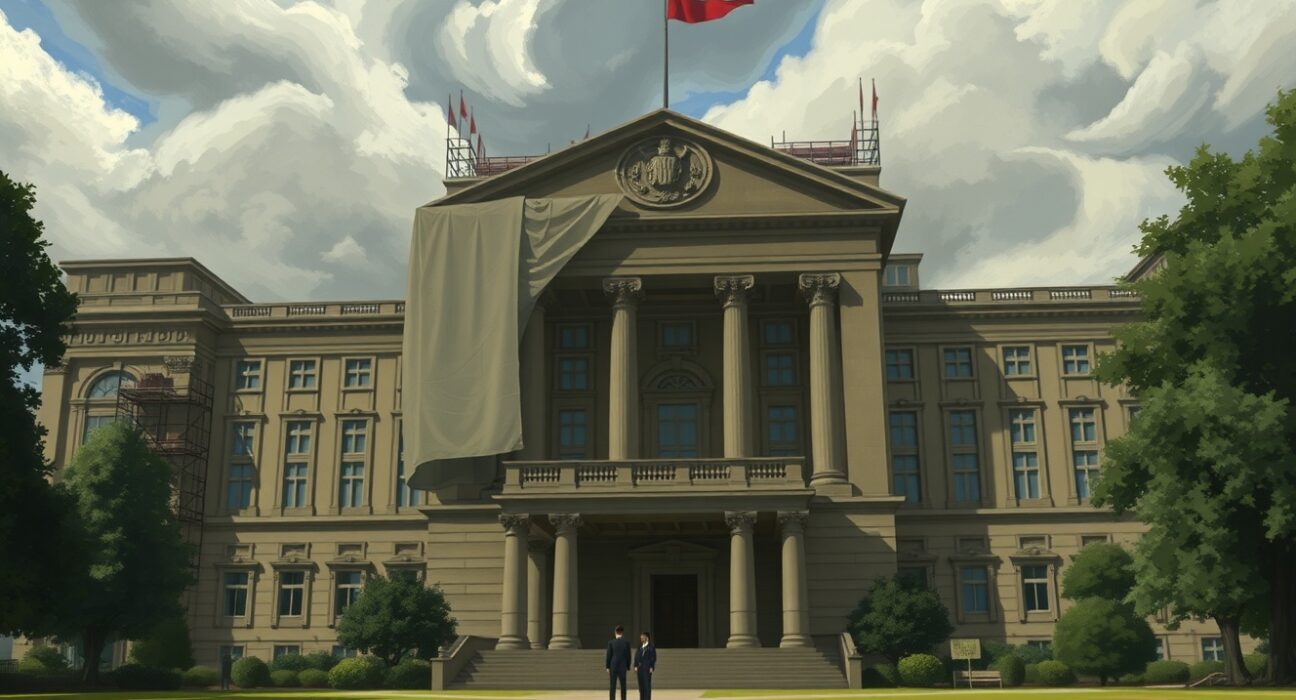
WASHINGTON, D.C. — Federal prosecutors have launched a significant investigation into Federal Reserve Chair Jerome Powell, according to exclusive reporting from The New York Times. The probe centers on allegations that Powell provided false testimony to Congress regarding the extensive remodeling of the Federal Reserve’s historic headquarters building. This development, confirmed by multiple sources familiar with the matter, represents an unprecedented legal challenge for the nation’s top central banker during a critical period for U.S. monetary policy.
Federal Reserve Chair Jerome Powell Investigation Details Emerge
The investigation reportedly focuses on testimony Powell delivered before congressional committees in 2023 and 2024. Prosecutors are examining whether the Fed Chair made false statements concerning the scope, cost, and authorization process for renovations at the Federal Reserve’s Eccles Building in Washington. The renovation project, which began in 2021, has faced scrutiny for its escalating budget and extended timeline. Furthermore, investigators are reviewing internal Fed communications and procurement documents to determine whether Powell knowingly misrepresented facts during his sworn appearances before lawmakers.
Legal experts note that false testimony to Congress constitutes a serious federal offense. The investigation follows standard Justice Department protocols for examining potential violations by high-ranking officials. Meanwhile, the Federal Reserve has maintained its standard practice of not commenting on ongoing legal matters. However, sources within the institution indicate that Powell’s legal team is fully cooperating with investigators while vigorously disputing the allegations.
Historical Context of Federal Reserve Building Renovations
The Marriner S. Eccles Federal Reserve Board Building, completed in 1937, has undergone several major renovations throughout its history. The current project, initially budgeted at $450 million, has expanded to approximately $750 million according to congressional testimony. The renovation aims to address critical infrastructure needs including seismic retrofitting, security enhancements, and technological modernization. Additionally, the project includes accessibility improvements and energy efficiency upgrades to meet contemporary federal building standards.
Congressional oversight committees have closely monitored the project since its inception. Lawmakers from both parties have expressed concerns about cost overruns and project delays. The House Financial Services Committee held multiple hearings specifically addressing the renovation’s management and financial controls. During these sessions, Powell repeatedly assured committee members that the Federal Reserve was implementing rigorous oversight measures and maintaining transparency about project expenditures.
Comparative Analysis of Federal Building Renovations
| Federal Building | Renovation Period | Original Budget | Final Cost | Oversight Issues |
|---|---|---|---|---|
| Eccles Building (Fed) | 2021-2025 | $450M | $750M (est.) | Under investigation |
| U.S. Capitol Dome | 2014-2016 | $60M | $59.5M | Completed under budget |
| J. Edgar Hoover FBI Building | 2017-2022 | $1.2B | $2.1B | GAO audit completed |
| Department of Interior | 2018-2023 | $300M | $385M | Minor oversight questions |
Potential Impacts on Monetary Policy and Financial Markets
The investigation arrives during a delicate period for U.S. monetary policy. The Federal Reserve continues navigating post-pandemic economic adjustments while managing inflation concerns. Financial markets typically react sensitively to uncertainty surrounding Fed leadership. Historical precedents suggest that investigations of central bank officials can create temporary volatility in bond markets and currency valuations. However, most analysts expect limited immediate policy impacts given the Federal Reserve’s institutional decision-making structure.
Market participants are monitoring several key aspects of this situation:
- Policy Continuity: The Federal Open Market Committee operates through collective decision-making
- Institutional Independence: Legal challenges historically have not compromised Fed operational autonomy
- International Confidence: Global markets assess U.S. central bank stability during leadership uncertainties
- Regulatory Functions: Banking supervision and financial stability operations continue normally
Former Fed officials emphasize that the institution’s robust governance framework ensures policy continuity regardless of individual circumstances. The Federal Reserve Act establishes clear procedures for leadership succession and operational management during transitional periods. Moreover, the Fed’s regional bank presidents and board governors maintain their respective responsibilities throughout any investigation process.
Expert Perspectives on Central Bank Governance
Legal scholars specializing in government accountability note that investigations of Federal Reserve chairs remain exceptionally rare. The last comparable situation occurred in the 1970s when then-Chair Arthur Burns faced congressional inquiries about monetary policy decisions. Constitutional law experts emphasize that separation of powers principles protect central bank independence while permitting legitimate oversight. Furthermore, established legal precedents distinguish between policy disagreements and potential violations of law.
Financial regulation professors highlight that modern central banking operates within complex accountability frameworks. The Federal Reserve submits to multiple oversight mechanisms including congressional testimony, Government Accountability Office audits, and Inspector General reviews. These layered accountability structures help maintain public confidence in monetary institutions. Additionally, transparent communication practices have become increasingly important for central banks globally during the digital information age.
Congressional Oversight and Federal Reserve Accountability
The Federal Reserve’s unique position within government creates specific accountability requirements. Congress established the central bank through legislation and maintains oversight authority through several committees. The Federal Reserve Act mandates regular reporting and testimony requirements for Fed leadership. These accountability mechanisms ensure democratic control over monetary institutions while preserving operational independence for technical decisions.
Recent congressional sessions have featured intensified scrutiny of Federal Reserve operations. Lawmakers have examined topics ranging from monetary policy decisions to workplace culture reforms. The renovation investigation represents the latest manifestation of this heightened oversight environment. Both Democratic and Republican committee leaders have emphasized their commitment to thorough examination of federal spending and executive branch transparency.
The investigation process follows established legal protocols for executive branch officials. The Justice Department coordinates with relevant congressional committees while maintaining prosecutorial independence. Standard procedures include document reviews, witness interviews, and evidentiary analysis before determining whether to pursue formal charges. Legal timelines for such investigations typically span several months, though complex cases involving high-ranking officials may extend longer.
Conclusion
The investigation into Federal Reserve Chair Jerome Powell represents a significant development in federal oversight of central banking operations. While the legal process continues, the Federal Reserve maintains its focus on monetary policy objectives and financial stability mandates. The situation underscores the complex balance between central bank independence and democratic accountability in the United States. Furthermore, this development highlights ongoing congressional interest in federal building management and expenditure transparency. Market participants and policy observers will monitor subsequent developments while assessing potential implications for monetary policy continuity and institutional governance.
FAQs
Q1: What specific allegations does the Jerome Powell investigation involve?
The investigation examines whether Federal Reserve Chair Jerome Powell provided false testimony to Congress regarding the renovation of the Federal Reserve’s Eccles Building, including potential misrepresentations about project costs, timelines, and authorization processes.
Q2: How might this investigation affect Federal Reserve monetary policy decisions?
Most analysts expect limited immediate policy impacts due to the Federal Reserve’s institutional decision-making structure. The Federal Open Market Committee operates collectively, and established procedures ensure policy continuity during leadership transitions or investigations.
Q3: Has a sitting Federal Reserve chair ever faced similar investigations?
Investigations of sitting Fed chairs remain exceptionally rare. The most comparable historical instance occurred in the 1970s when Chair Arthur Burns faced congressional inquiries about monetary policy decisions, though that did not involve allegations of false testimony.
Q4: What legal consequences could result from this investigation?
If prosecutors determine that violations occurred, potential consequences range from administrative resolutions to formal charges. False testimony to Congress constitutes a serious federal offense with potential legal penalties including fines or imprisonment, though such outcomes remain speculative during ongoing investigations.
Q5: How are financial markets responding to the investigation news?
Initial market reactions appear measured, with analysts noting that central bank institutional frameworks typically insulate policy operations from individual circumstances. However, prolonged uncertainty could potentially affect market confidence, particularly in currency and bond markets sensitive to leadership stability perceptions.
Disclaimer: The information provided is not trading advice, Bitcoinworld.co.in holds no liability for any investments made based on the information provided on this page. We strongly recommend independent research and/or consultation with a qualified professional before making any investment decisions.