
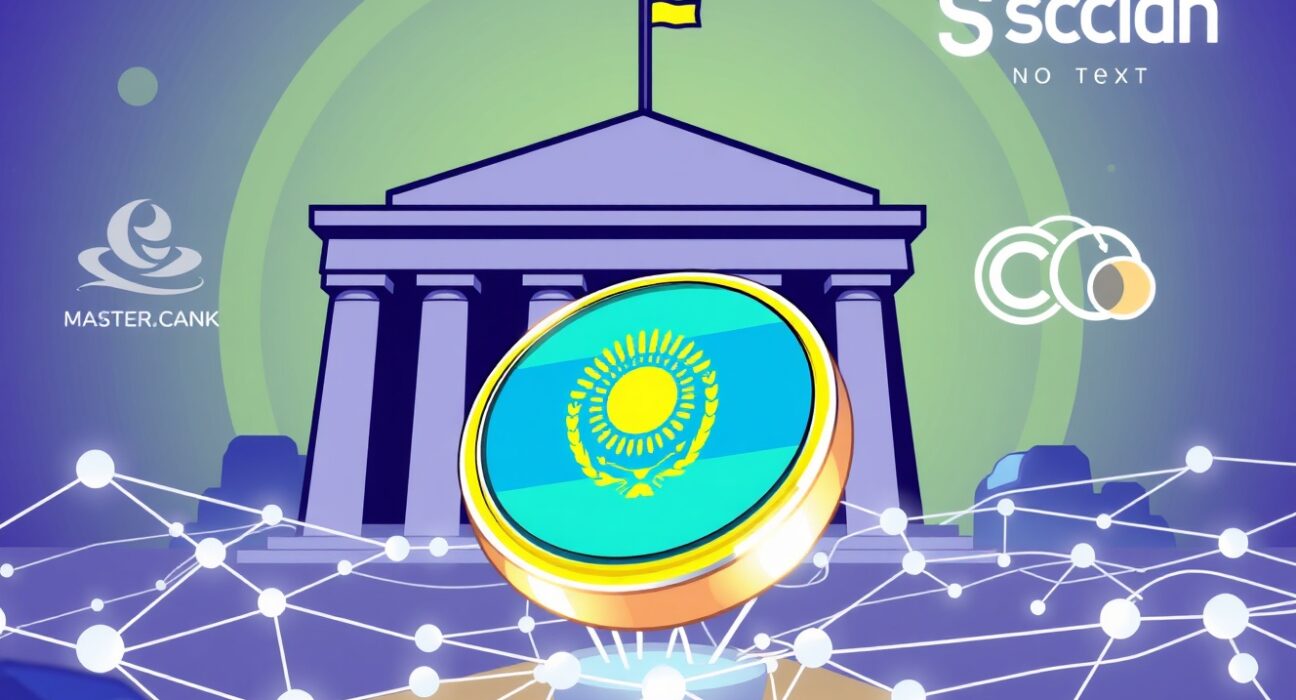
Imagine a future where your local currency can move at the speed of light, securely and efficiently, across digital networks. This vision is rapidly becoming a reality, especially with the exciting news surrounding the Kazakhstan stablecoin pilot. Kazakhstan’s central bank is making a significant stride into the world of digital finance, embarking on an innovative project that could redefine how its citizens interact with money.
What is the Kazakhstan Stablecoin Pilot All About?
The National Bank of Kazakhstan is not just dabbling in digital currencies; it is launching a serious pilot project. This initiative involves a partnership with major players like Solana and Mastercard. The core idea is to introduce a stablecoin directly pegged to Kazakhstan’s local fiat currency, the Tenge. This move aims to explore the practical applications and benefits of digital assets within a regulated financial system.
The project leverages the high-speed and low-cost capabilities of the Solana blockchain. This choice highlights a strategic decision to utilize cutting-edge technology for a national financial innovation. The Kazakhstan stablecoin pilot represents a forward-thinking approach to integrating blockchain technology into mainstream finance, potentially setting a precedent for other nations.
Why is Kazakhstan Embracing a Solana-Based Stablecoin?
Kazakhstan’s decision to pilot a stablecoin is driven by several compelling factors. Firstly, stablecoins offer the promise of enhanced financial efficiency. Transactions can be faster, cheaper, and more transparent compared to traditional banking methods. This could significantly benefit businesses and individuals alike.
Moreover, adopting a digital currency can foster greater financial inclusion, reaching segments of the population that might be underserved by conventional banking. The central bank is keen to explore how this technology can modernize its financial infrastructure and support a growing digital economy. This Kazakhstan stablecoin pilot is a clear indicator of the nation’s commitment to innovation and embracing the future of finance.
- Increased Efficiency: Faster and cheaper transactions.
- Enhanced Transparency: Blockchain’s immutable ledger provides clear records.
- Financial Inclusion: Potential to serve unbanked or underbanked populations.
- Technological Advancement: Positions Kazakhstan at the forefront of digital finance.
How Will the Kazakhstan Stablecoin Pilot Operate?
The practical implementation of this stablecoin involves key local and international entities. Local cryptocurrency exchange Intebix, along with lender Eurasian Bank, will play crucial roles in issuing the stablecoin on the Solana blockchain. This collaborative approach ensures that the digital currency is integrated into existing financial frameworks while leveraging specialized blockchain expertise.
Mastercard’s involvement is particularly significant. The global payment giant plans to connect this new stablecoin with its vast network of global issuers. This means the digital Tenge could potentially be used for international transactions, bridging the gap between local digital currencies and the global financial system. This comprehensive setup for the Kazakhstan stablecoin pilot underscores its ambition and potential reach.
What Challenges and Opportunities Lie Ahead for the Kazakhstan Stablecoin Pilot?
While the prospects are exciting, the journey of the Kazakhstan stablecoin pilot will undoubtedly face challenges. Regulatory frameworks will need to evolve to accommodate this new digital asset, ensuring consumer protection and financial stability. Public adoption will also be a key factor, requiring education and trust-building efforts to encourage widespread use.
However, the opportunities are immense. A successful pilot could pave the way for a full-scale digital Tenge, offering a robust and modern financial tool for Kazakhstan. It could also serve as a blueprint for other countries considering similar ventures, solidifying Kazakhstan’s position as a leader in digital currency innovation. The insights gained from this pilot will be invaluable for shaping the future of digital finance.
The Kazakhstan stablecoin pilot is more than just a technological experiment; it is a strategic move towards a more efficient, inclusive, and modern financial system. By partnering with global leaders like Solana and Mastercard, Kazakhstan is demonstrating a clear commitment to exploring the transformative power of digital currencies. This initiative could truly unlock a revolutionary digital future for the nation, offering a glimpse into the evolving landscape of global finance.
Frequently Asked Questions (FAQs)
What exactly is a stablecoin?
A stablecoin is a type of cryptocurrency designed to maintain a stable value, typically by being pegged to a fiat currency like the US dollar or, in this case, the Kazakhstani Tenge. This stability differentiates them from volatile cryptocurrencies like Bitcoin.
Why did Kazakhstan choose the Solana blockchain for this pilot?
Solana was likely chosen for its high transaction speeds, low transaction costs, and scalability. These features are crucial for a national digital currency project that aims to handle a large volume of transactions efficiently.
What role does Mastercard play in the Kazakhstan stablecoin pilot?
Mastercard’s role is to connect the stablecoin with its global network of issuers. This integration aims to facilitate broader use of the digital Tenge, potentially enabling international transactions and enhancing its utility beyond Kazakhstan’s borders.
Is this stablecoin the same as a Central Bank Digital Currency (CBDC)?
While similar in concept, this pilot project is for a stablecoin pegged to the local fiat currency and issued by commercial entities (Intebix, Eurasian Bank) on a public blockchain (Solana), albeit with central bank oversight. A CBDC is typically issued directly by the central bank and operates on its own infrastructure, though this pilot could inform a future CBDC.
What are the potential benefits for Kazakh citizens?
Citizens could benefit from faster and cheaper digital payments, easier access to financial services, and potentially new innovative financial products built on top of this digital infrastructure. It aims to make financial transactions more seamless and accessible.
Did you find this article insightful? Share your thoughts and spread the word about Kazakhstan’s pioneering step into digital finance! Your engagement helps us bring more vital crypto news to the forefront. Follow us on social media and share this article with your network!
To learn more about the latest crypto market trends, explore our article on key developments shaping digital currencies institutional adoption.
Disclaimer: The information provided is not trading advice, Bitcoinworld.co.in holds no liability for any investments made based on the information provided on this page. We strongly recommend independent research and/or consultation with a qualified professional before making any investment decisions.