

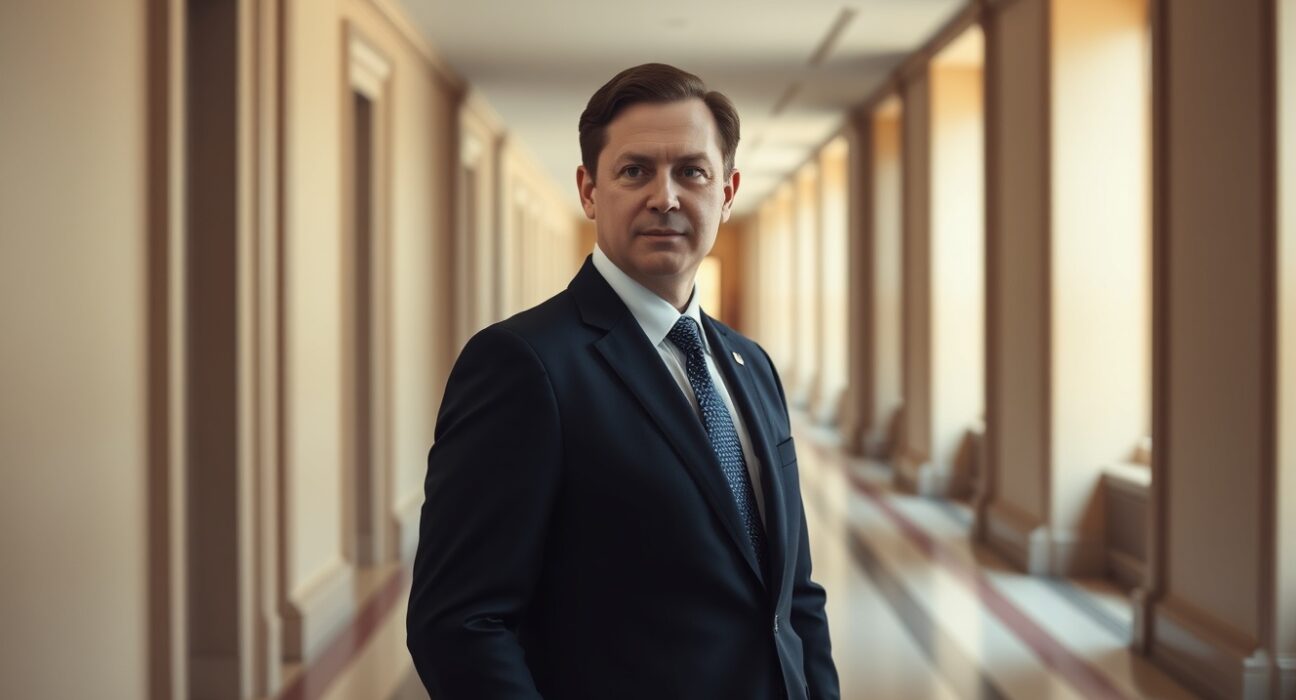
WASHINGTON, D.C. – March 2025 – Kevin Warsh, the nominee for Federal Reserve chairman, will firmly pledge to maintain strict independence in making critical interest rate decisions, according to a Politico report that has captured significant attention across financial markets. This commitment comes at a pivotal moment for the U.S. economy as it navigates post-pandemic recovery phases and evolving inflation dynamics. Market analysts immediately noted the importance of this pledge for maintaining stability in global financial systems.
Federal Reserve Chairman Nominee Emphasizes Institutional Independence
Kevin Warsh’s expected pledge represents a foundational principle of modern central banking. The Federal Reserve’s independence from political pressure allows it to make difficult monetary policy decisions without short-term political considerations. Historically, this independence has proven crucial for controlling inflation and maintaining economic stability. Warsh’s background as a former Fed governor and his experience during the 2008 financial crisis provide him with direct understanding of these institutional dynamics.
Central bank independence typically manifests through several key mechanisms. First, the Fed operates with operational autonomy in setting interest rates. Second, it maintains control over its balance sheet management. Third, it exercises regulatory authority without political interference. These elements combine to create what economists call “monetary policy credibility.” Market participants generally view this credibility as essential for effective inflation targeting and financial market stability.
Historical Context of Fed Independence Challenges
The Federal Reserve has faced numerous challenges to its independence throughout its history. President Lyndon Johnson famously confronted Fed Chairman William McChesney Martin about interest rate increases in the 1960s. More recently, the Trump administration publicly criticized Fed policy decisions during Jerome Powell’s tenure. These historical precedents highlight why Warsh’s explicit commitment carries substantial weight among financial professionals and policymakers.
Expert Analysis on Nomination Implications
Financial experts emphasize that Warsh’s nomination arrives during a complex economic period. The post-pandemic recovery has created unique challenges including supply chain disruptions, labor market transformations, and evolving inflation patterns. According to Dr. Sarah Chen, Director of Monetary Policy Studies at the Brookings Institution, “A Fed chair’s commitment to independence isn’t just symbolic—it directly influences market expectations and borrowing costs throughout the economy.”
Market reactions to the nomination news have been measured but positive. Bond yields showed minimal movement while equity markets maintained their previous trajectories. This stability suggests that investors view Warsh’s expected approach as consistent with current Fed policy directions. However, some analysts note potential differences in regulatory philosophy that could emerge during confirmation hearings.
Comparative Analysis with Previous Fed Leadership
Kevin Warsh’s background differs significantly from recent Fed chairs in several important aspects. Unlike academics like Ben Bernanke or Janet Yellen, Warsh brings extensive Wall Street experience from his time at Morgan Stanley. This practical financial sector background could influence his approach to regulatory matters and financial stability concerns. However, his previous Fed governance experience from 2006 to 2011 provides institutional familiarity that balances this private sector perspective.
The table below illustrates key differences between recent Fed chairs:
| Fed Chair | Background | Tenure | Key Policy Focus |
|---|---|---|---|
| Ben Bernanke | Academic Economist | 2006-2014 | Financial Crisis Response |
| Janet Yellen | Academic Economist | 2014-2018 | Labor Market Recovery |
| Jerome Powell | Investment Banker | 2018-2025 | Inflation Management |
| Kevin Warsh | Investment Banker/Fed Governor | Nominated 2025 | Policy Independence |
Monetary Policy Framework Considerations
The Federal Reserve currently operates under a revised monetary policy framework adopted in 2020. This framework emphasizes maximum employment alongside flexible average inflation targeting. Warsh’s approach to implementing this framework will likely receive significant scrutiny during confirmation proceedings. His previous writings and speeches suggest support for clear policy rules and transparency in central bank communications.
Several key policy areas will demand immediate attention:
- Interest Rate Trajectory: Current federal funds rate positioning relative to inflation indicators
- Balance Sheet Management: Quantitative tightening pace and composition
- Financial Stability Monitoring: Assessment of systemic risks in banking and non-bank sectors
- Digital Currency Evaluation: Position on central bank digital currency development
- Climate Risk Integration: Approach to incorporating climate-related financial risks
International Central Banking Context
Globally, central bank independence faces varying challenges across different jurisdictions. The European Central Bank maintains strong statutory independence while the Bank of Japan operates within closer government coordination frameworks. The Bank of England gained operational independence in 1997 but remains accountable to parliamentary oversight. Warsh’s leadership would position the Fed within this international context, potentially influencing global monetary policy coordination efforts.
Confirmation Process and Political Dynamics
The Senate confirmation process for Federal Reserve chair nominees involves multiple committee hearings and extensive questioning. Senators typically focus on several key areas including inflation management approaches, regulatory philosophy, and views on financial stability. Warsh’s previous confirmation as a Fed governor in 2006 proceeded smoothly, but current political dynamics may create different challenges in 2025.
Committee members will likely explore several specific issues:
- Views on the appropriate inflation target range
- Approach to banking regulation and supervision
- Position on financial innovation and cryptocurrency regulation
- Perspective on international monetary policy coordination
- Assessment of current economic risks and vulnerabilities
Market participants generally expect a confirmation process focused on substantive policy discussions rather than partisan political considerations. The importance of Fed independence typically transcends political divisions, though specific policy approaches may generate debate among committee members from different parties.
Conclusion
Kevin Warsh’s expected pledge to maintain Federal Reserve independence on interest rate decisions represents a crucial commitment to established central banking principles. This approach supports monetary policy credibility and financial market stability during a period of economic transition. The nomination process will provide important insights into how Warsh would implement the Fed’s dual mandate while navigating complex economic challenges. Ultimately, the Federal Reserve chairman’s independence remains fundamental to effective monetary policy management and economic stability.
FAQs
Q1: What is Kevin Warsh’s background prior to this nomination?
Kevin Warsh served as a Federal Reserve Governor from 2006 to 2011, worked as an investment banker at Morgan Stanley, and has held various academic and advisory positions in economic policy.
Q2: Why is Federal Reserve independence important for interest rate decisions?
Fed independence allows monetary policy decisions based on economic data rather than political considerations, which helps maintain price stability and supports long-term economic growth.
Q3: How does the Senate confirmation process for Fed chair work?
The nomination goes through the Senate Banking Committee for hearings and recommendation before proceeding to a full Senate vote, requiring simple majority approval.
Q4: What challenges might Warsh face regarding Fed independence?
Potential challenges include political pressure during economic downturns, congressional oversight tensions, and public scrutiny during periods of policy tightening that may slow economic growth.
Q5: How have previous Fed chairs balanced independence with accountability?
Previous chairs have maintained independence through regular congressional testimony, transparent communication strategies, and clear explanation of policy decisions based on economic objectives.
Disclaimer: The information provided is not trading advice, Bitcoinworld.co.in holds no liability for any investments made based on the information provided on this page. We strongly recommend independent research and/or consultation with a qualified professional before making any investment decisions.
