

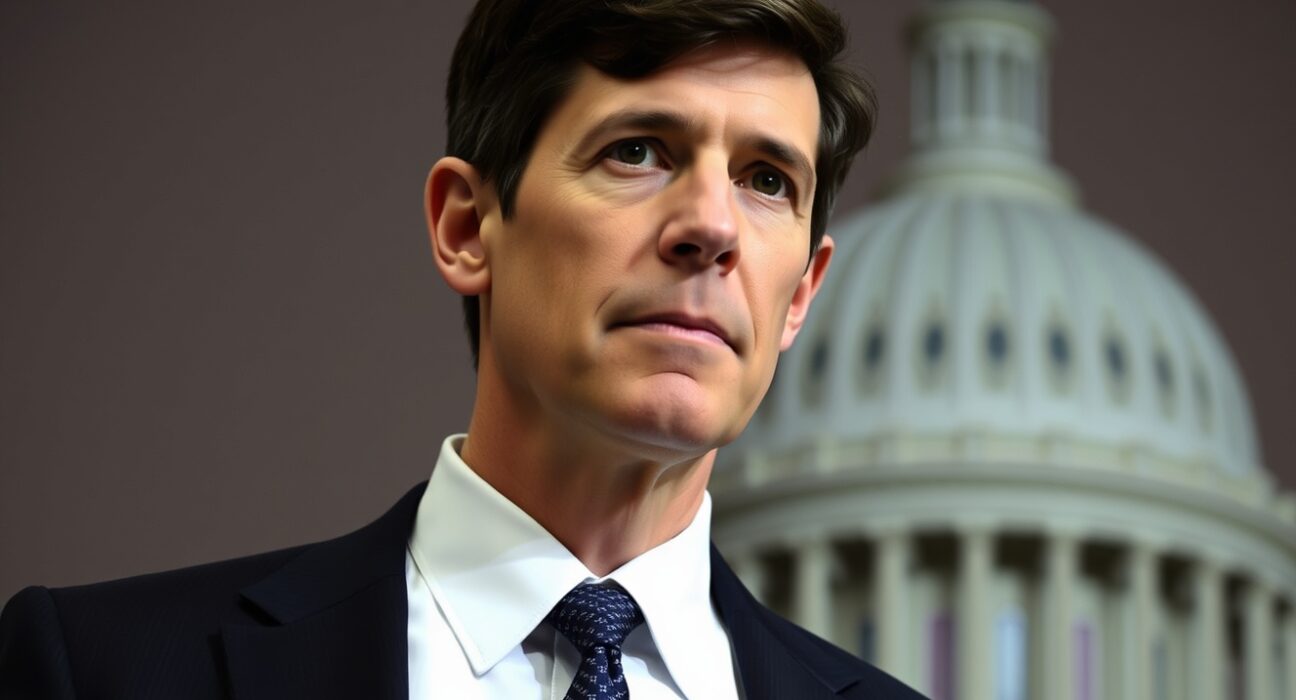
WASHINGTON, D.C. — In a significant move addressing longstanding ethics concerns, Federal Reserve Chairman nominee Kevin Warsh has agreed to divest the majority of his substantial financial assets. This decision, announced during his confirmation hearings, represents a crucial step toward ensuring the independence and integrity of the nation’s central bank leadership. Consequently, financial markets and policymakers are closely monitoring this development for its implications on monetary policy and regulatory oversight.
Kevin Warsh’s Asset Divestment Plan Details
Kevin Warsh, a former Federal Reserve governor and current Stanford University fellow, has committed to selling most of his investment portfolio. This portfolio reportedly includes holdings across various financial sectors. The divestment plan specifically targets assets that could present potential conflicts of interest. Furthermore, the agreement follows established ethics guidelines for senior government officials.
Transitioning from the private sector to public service often requires such financial adjustments. Warsh’s decision mirrors similar actions by previous Fed nominees. For instance, current Chair Jerome Powell sold his financial assets upon nomination. The table below illustrates typical asset categories involved in such divestments:
| Asset Type | Typical Holding Period | Common Disposition Method |
|---|---|---|
| Individual Stocks | Immediate sale | Broker-assisted liquidation |
| Mutual Funds | 30-60 days | Systematic redemption |
| Corporate Bonds | Market-dependent | Secondary market sale |
| Private Equity | Complex unwinding | Structured exit agreements |
Ethics experts generally applaud such comprehensive divestment plans. They argue these actions strengthen public trust in monetary institutions. Additionally, they prevent actual or perceived conflicts during policy deliberations.
Historical Context of Fed Nominee Ethics Standards
The Federal Reserve has implemented increasingly stringent ethics requirements over decades. Previous chairs, including Alan Greenspan and Ben Bernanke, established important precedents. Their financial disclosures set standards for transparency. Moreover, the 2010 Dodd-Frank Act introduced additional conflict-of-interest provisions.
Recent nominees have faced particular scrutiny regarding their financial ties. For example, some critics questioned whether private sector experience might influence policy decisions. Consequently, the Senate Banking Committee now examines nominee portfolios thoroughly. They evaluate potential conflicts across several dimensions:
- Direct financial interests in regulated entities
- Previous consulting relationships with financial firms
- Family member holdings that could create indirect conflicts
- Future employment prospects that might affect current decisions
Warsh’s agreement addresses these concerns proactively. It demonstrates commitment to the Fed’s independence tradition. Furthermore, it aligns with contemporary expectations for public officials.
Expert Analysis on Financial Ethics
Financial ethics specialists emphasize the importance of such divestments. Professor Sarah Johnson of Georgetown University notes, “Complete divestment eliminates appearance concerns.” She explains that even perceived conflicts can undermine policy credibility. Therefore, decisive action strengthens institutional legitimacy.
Former Fed ethics officer Michael Chen adds practical perspective. “The divestment process involves careful planning,” Chen observes. “Officials must avoid market disruption while achieving compliance.” He references established protocols for orderly asset sales. These protocols prevent accusations of insider advantage.
Market analysts also recognize the significance. Divestment signals commitment to impartial decision-making. It reassures investors about policy objectivity. Consequently, it supports financial market stability during leadership transitions.
Impact on Monetary Policy and Regulatory Oversight
Warsh’s financial divestment carries substantive policy implications. Without personal holdings, he can approach interest rate decisions objectively. He can also participate fully in regulatory discussions. This includes bank supervision and financial stability assessments.
The Federal Reserve faces complex challenges in 2025. Inflation management requires careful balancing. Financial system resilience demands constant attention. Digital currency developments need thoughtful oversight. A chair free from financial conflicts can address these issues more effectively.
Historical examples illustrate this principle. Former chairs without financial ties made controversial but necessary decisions. Their independence from market interests strengthened their policy credibility. Warsh appears to follow this established pattern.
International observers note similar trends globally. Central bank governors increasingly adopt strict ethics standards. The European Central Bank and Bank of England have implemented comparable requirements. This global convergence reflects heightened public expectations.
Conclusion
Kevin Warsh’s decision to sell most financial assets represents a significant ethics commitment. It addresses potential conflict concerns directly. Moreover, it reinforces the Federal Reserve’s tradition of independent leadership. This action supports public confidence in monetary policy institutions. Consequently, it strengthens the foundation for effective central bank governance during challenging economic times.
FAQs
Q1: What specific assets must Kevin Warsh sell?
Warsh must divest most individual securities and funds that could present conflicts. He can typically retain diversified mutual funds and government securities that don’t create specific conflicts.
Q2: How long does the divestment process typically take?
Most nominees complete major divestments within 90 days of confirmation. Complex holdings might require structured exits over several months.
Q3: Do all Federal Reserve officials face similar requirements?
Senior officials, including governors and regional bank presidents, follow comparable ethics rules. Requirements vary based on specific responsibilities and potential conflicts.
Q4: What happens to proceeds from asset sales?
Proceeds typically move into conflict-free investments like blind trusts or Treasury securities. These arrangements prevent ongoing conflicts while preserving nominee wealth.
Q5: How does this affect Warsh’s policy decisions if confirmed?
Without personal financial interests, Warsh can approach interest rate and regulatory decisions objectively. This strengthens policy credibility and institutional independence.
Disclaimer: The information provided is not trading advice, Bitcoinworld.co.in holds no liability for any investments made based on the information provided on this page. We strongly recommend independent research and/or consultation with a qualified professional before making any investment decisions.
