

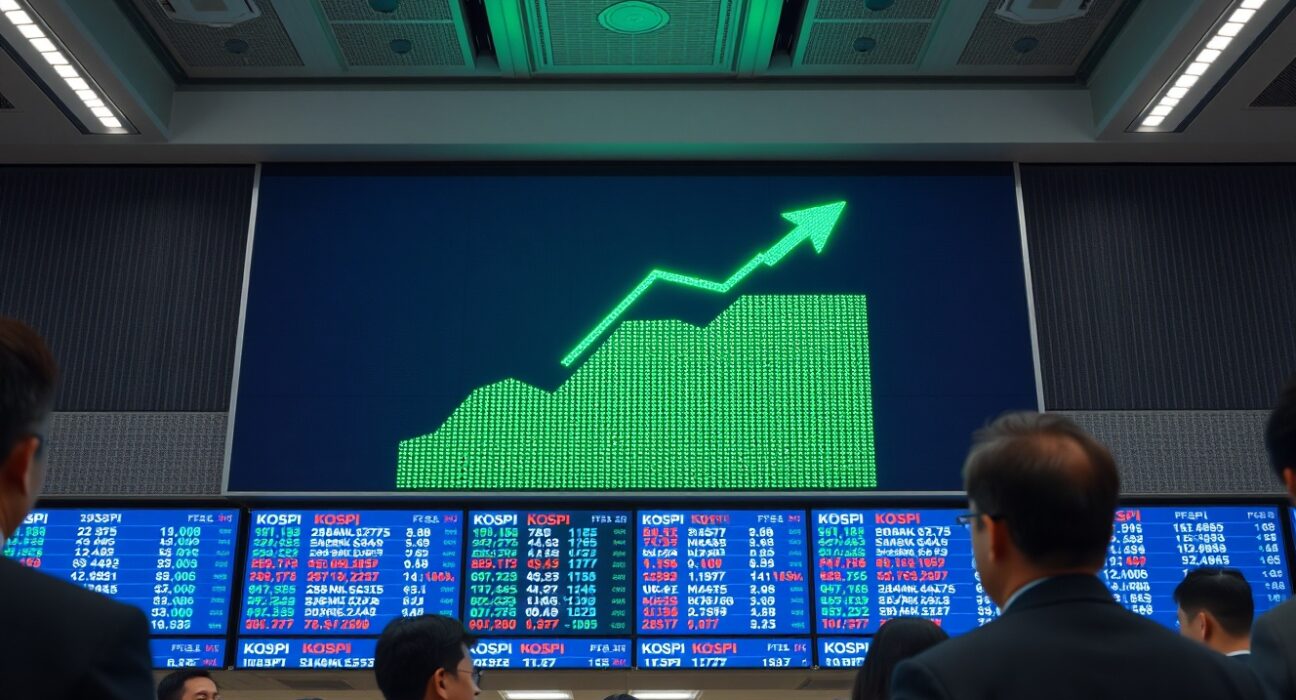
Seoul, South Korea — The Korea Composite Stock Price Index (KOSPI) surged more than 4% during mid-morning trading on Wednesday, triggering a buy-side sidecar — a circuit breaker mechanism that temporarily halts program trading on the country’s main bourse. The move marked a sharp reversal from recent market weakness and caught many traders off guard.
What Is a Sidecar and Why Was It Triggered?
A sidecar is a safety mechanism designed to curb excessive volatility caused by automated program trading. When the KOSPI futures market rises or falls by 5% or more from the previous day’s closing price, the sidecar is activated, pausing program orders for five minutes. This allows manual traders to reassess positions and prevents cascading algorithmic moves. Wednesday’s activation was on the buy side, meaning futures had rallied sufficiently to trip the upper threshold. The KOSPI itself climbed over 4% at the time of the halt, driven by strong buying in technology and battery stocks.
Market Context and Driving Factors
The rally came amid a broader rebound in Asian equities, fueled by expectations of a pause in US interest rate hikes and a weaker US dollar. South Korean exporters, particularly semiconductor makers like Samsung Electronics and SK Hynix, benefited from improved demand signals. Battery makers also saw gains on hopes of increased electric vehicle adoption. The surge follows a period of sustained selling pressure, with the KOSPI having fallen nearly 10% from its recent highs. Analysts pointed to short-covering and institutional rebalancing as additional catalysts for the sharp move.
Implications for Retail and Institutional Investors
For retail investors, the sidecar serves as a brief cooling-off period. While it does not halt regular stock trading, it pauses new program orders, which can reduce the intensity of a rapid move. For institutional players, the mechanism provides a moment to recalibrate algorithms. The Korea Exchange has maintained these guardrails since the 2010 flash crash to prevent disorderly markets. Wednesday’s event is the first buy-side sidecar triggered this year, underscoring the unusual strength of the rally.
Conclusion
The triggering of a buy-side sidecar on the KOSPI highlights the extreme short-term volatility still present in South Korea’s equity market. While the surge provided relief to investors after a prolonged downturn, the broader economic picture remains uncertain, with global interest rate policy and export demand still key variables. The sidecar itself is a routine market mechanism, not a signal of systemic stress, but it does confirm the magnitude of Wednesday’s move.
FAQs
Q1: What exactly is a sidecar in the stock market?
A: A sidecar is a circuit breaker that temporarily halts program trading on a stock exchange when futures prices move too sharply. It is designed to reduce volatility and give manual traders time to react.
Q2: Does a sidecar halt all trading?
A: No. A sidecar only pauses program (algorithmic) orders. Regular manual stock trading continues normally during the halt.
Q3: How long does a sidecar last?
A: The sidecar lasts for five minutes. After that, program trading resumes automatically unless another trigger condition is met.
Disclaimer: The information provided is not trading advice, Bitcoinworld.co.in holds no liability for any investments made based on the information provided on this page. We strongly recommend independent research and/or consultation with a qualified professional before making any investment decisions.
