

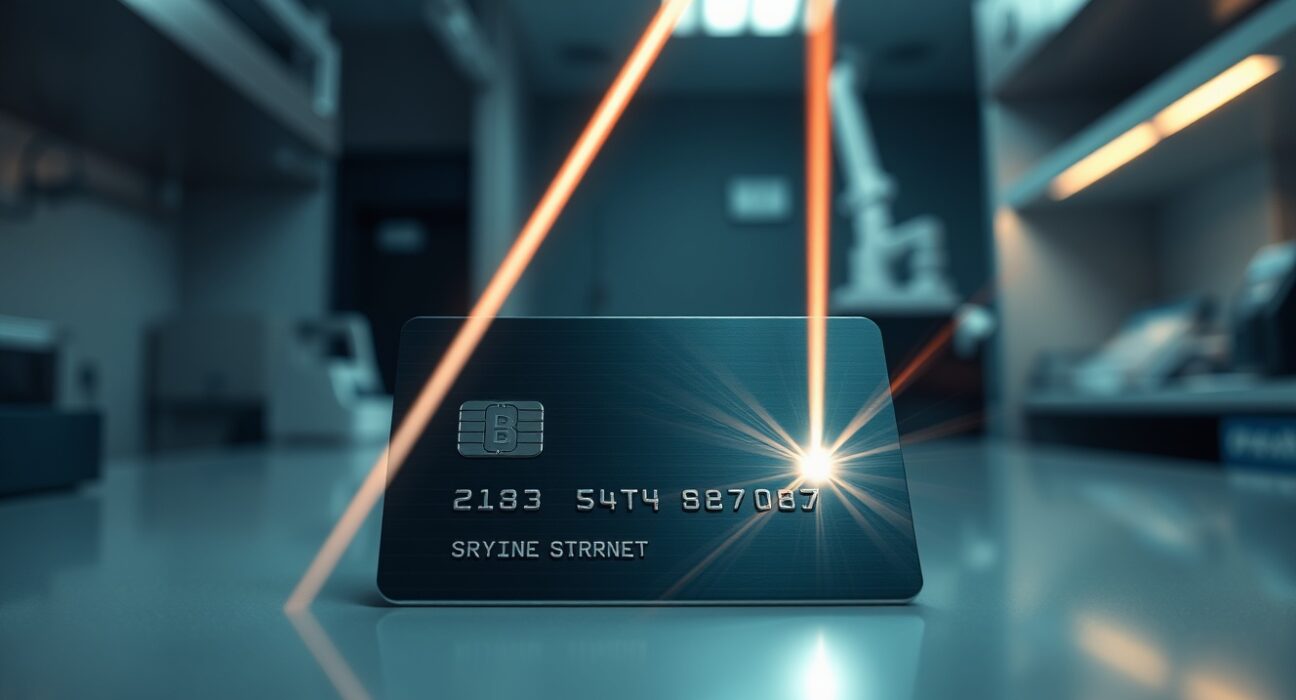
Security researchers at Ledger have identified a critical vulnerability in Tangem’s hardware wallet card that could allow an attacker to reset the device’s password using a targeted laser beam. The finding, reported by The Block, raises concerns about the physical security of certain types of cryptocurrency storage devices, particularly those that cannot be updated after manufacturing.
How the Laser Attack Works
According to Ledger’s security team, the attack exploits a hardware-level weakness in the Tangem card’s chip. By directing a precisely calibrated laser at specific areas of the chip, an attacker can induce temporary faults in the circuit, effectively bypassing security checks and resetting the password. The technique, known as laser fault injection, is a well-documented method in hardware security research but has rarely been demonstrated against commercially available crypto wallets.
The attack requires physical possession of the target device and access to specialized laboratory equipment valued at approximately $250,000. This high cost and the need for physical access mean the vulnerability is unlikely to be exploited in casual theft scenarios, but it represents a significant risk for high-value targets or nation-state-level adversaries.
Implications for Tangem Users
Perhaps the most concerning aspect of the vulnerability is that it cannot be patched on cards already in circulation. Tangem’s hardware wallet is a non-programmable smart card, meaning its firmware is permanently embedded during manufacturing. Users who own affected cards cannot install a software update to fix the flaw.
Ledger’s disclosure places Tangem in a difficult position. The company must now decide whether to recall existing cards, offer replacements, or develop a new hardware revision. For current users, the only guaranteed mitigation is to physically secure their card against unauthorized access — keeping it in a safe, a locked drawer, or a tamper-evident enclosure.
What This Means for Hardware Wallet Security
This discovery underscores a broader principle in cryptocurrency security: no hardware wallet is immune to physical attacks. While most users face greater risk from phishing, malware, or lost seed phrases, hardware-level exploits remain a concern for those storing substantial assets. The attack also highlights the trade-off between convenience and security. Tangem’s card format is praised for its portability and ease of use, but those same qualities can make it more vulnerable to physical tampering.
The cryptocurrency community has long debated the merits of different wallet form factors. Traditional USB-style hardware wallets like Ledger’s own devices allow firmware updates, providing a path to fix vulnerabilities after release. Card-based wallets, while sleek and simple, sacrifice this flexibility for a smaller footprint.
Conclusion
The laser attack on Tangem hardware wallets is a reminder that physical security remains a critical consideration for cryptocurrency storage. While the exploit requires significant resources and physical access, its existence — and the inability to patch affected devices — creates a clear risk for certain users. Tangem owners should assess their threat model and consider whether additional physical protections are warranted. The broader industry will likely view this as another data point in the ongoing evolution of hardware wallet security standards.
FAQs
Q1: Can the Tangem laser vulnerability be fixed with a software update?
No. The vulnerability exists at the hardware level and cannot be patched on cards already in circulation. Only new hardware revisions can address the flaw.
Q2: Should I stop using my Tangem wallet?
For most users, the risk is low because the attack requires physical access to the card and expensive lab equipment. However, users storing large amounts of cryptocurrency should consider additional physical security measures or switching to a wallet that supports firmware updates.
Q3: Are other hardware wallets vulnerable to laser attacks?
Laser fault injection is a known technique in hardware security, and many chips can be vulnerable under the right conditions. However, most modern hardware wallets include countermeasures such as voltage sensors, clock glitch detectors, and active shielding to make such attacks more difficult. The Tangem card appears to lack some of these protections.
Disclaimer: The information provided is not trading advice, Bitcoinworld.co.in holds no liability for any investments made based on the information provided on this page. We strongly recommend independent research and/or consultation with a qualified professional before making any investment decisions.
