

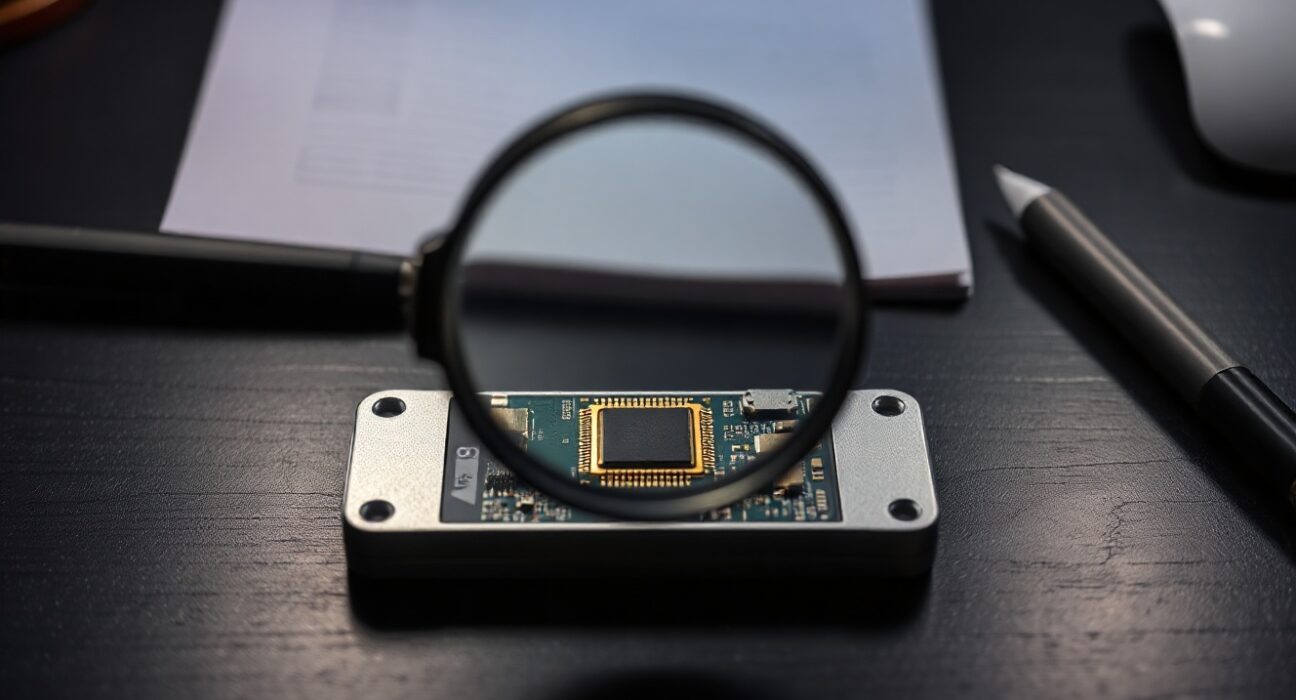
Hardware wallet manufacturer Ledger has identified a security flaw in a chip used by competitor Trezor’s latest device, the Trezor Safe 7. Trezor has since publicly acknowledged the issue, confirming that the vulnerability poses no threat to user assets and requires no action from customers.
Discovery and Disclosure
According to a report from CoinDesk, Ledger’s security team discovered the chip-level flaw during a routine analysis of the Trezor Safe 7. The vulnerability resides in a specific security chip integrated into the hardware wallet, which is designed to protect private keys and sensitive data.
Rather than remaining silent, Trezor issued an official statement detailing the issue. The company emphasized that the flaw does not compromise user funds or private keys, and that the device remains safe for everyday use. Trezor’s transparent approach aligns with industry best practices for responsible vulnerability disclosure.
What the Vulnerability Means for Users
For Trezor Safe 7 owners, the key takeaway is reassurance. The company has stated that the flaw cannot be exploited to steal cryptocurrency or access stored assets. No firmware update or user intervention is required at this time.
This incident highlights the ongoing security competition between the two leading hardware wallet makers. While Ledger’s discovery could be seen as a competitive move, both companies have maintained a professional focus on security research and user protection.
Industry Implications
The episode underscores the importance of independent security auditing in the cryptocurrency hardware space. As hardware wallets become more sophisticated, chip-level vulnerabilities are an inevitable part of the landscape. Transparent disclosure, as demonstrated by Trezor, builds long-term trust with users.
Ledger’s proactive discovery also reinforces its role as a security-focused company, even when the findings involve a competitor’s product. For the broader crypto community, such cross-industry scrutiny ultimately raises the security bar for all manufacturers.
Conclusion
The chip flaw in the Trezor Safe 7, discovered by Ledger and transparently disclosed by Trezor, serves as a reminder that no hardware is immune to vulnerabilities. However, the responsible handling of the issue by both parties — and the confirmation that user assets are not at risk — should give Safe 7 owners confidence in their device. The incident also reinforces the value of independent security research in maintaining trust within the cryptocurrency ecosystem.
FAQs
Q1: Is my Trezor Safe 7 at risk due to this chip flaw?
No. Trezor has confirmed that the vulnerability does not affect user funds or private keys. No action is required from users.
Q2: Will there be a firmware update to fix the chip flaw?
Trezor has not announced a firmware update specifically for this issue, as the flaw does not pose a practical risk to users. However, regular security updates are always recommended.
Q3: Why did Ledger discover a flaw in a Trezor device?
Ledger’s security team routinely analyzes hardware wallets as part of its research efforts. This discovery was part of ongoing security analysis and was disclosed responsibly to Trezor before public release.
Disclaimer: The information provided is not trading advice, Bitcoinworld.co.in holds no liability for any investments made based on the information provided on this page. We strongly recommend independent research and/or consultation with a qualified professional before making any investment decisions.
