

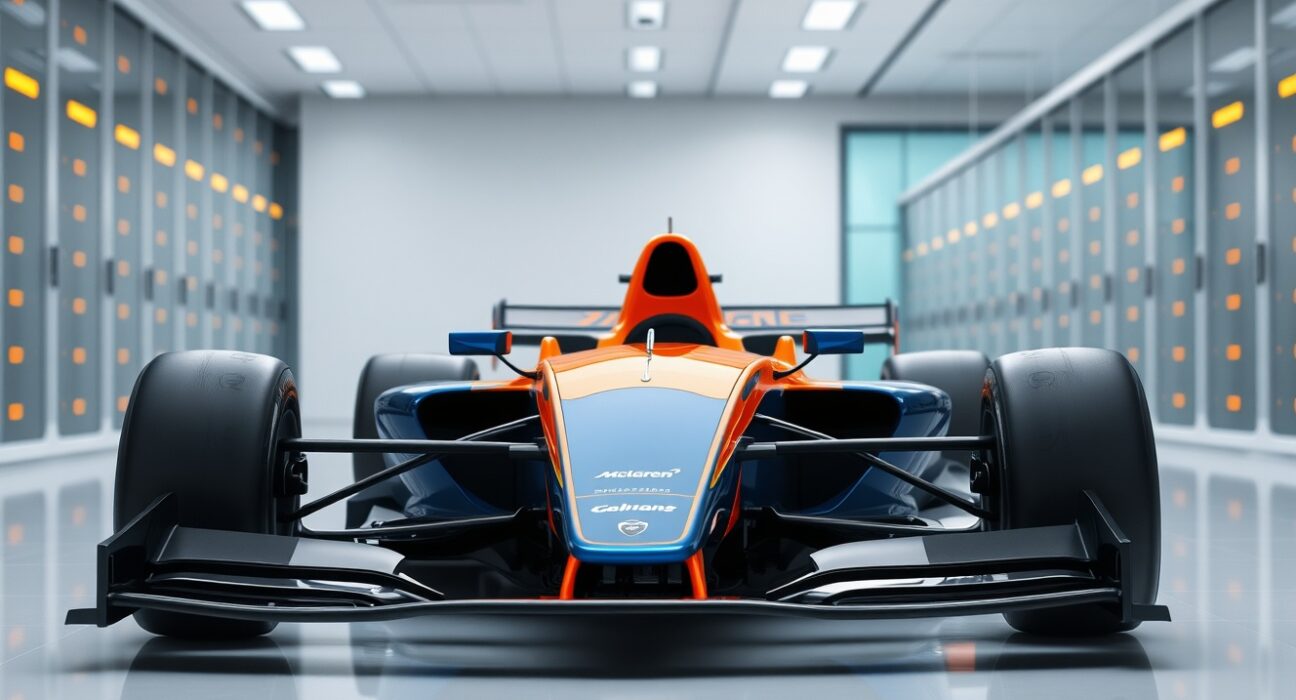
In a significant development at the intersection of high-performance sports and distributed ledger technology, the McLaren Formula 1 team has officially joined the Hedera Governing Council. This strategic move, confirmed in early 2025, grants the iconic racing outfit full voting rights to help steer the operational future of the enterprise-grade Hedera network. Consequently, this partnership marks a pivotal moment for blockchain adoption within global, data-intensive industries.
McLaren F1 Joins Hedera Council with Full Governance Rights
The McLaren Racing Limited entity now serves as a governing member of the Hedera Council. This council operates the decentralized public network underpinning the HBAR cryptocurrency. Specifically, McLaren will participate in crucial decisions regarding network software upgrades, treasury management, and node operations. Therefore, the team brings a unique perspective rooted in real-time data analytics, supply chain logistics, and global fan engagement.
Hedera Hashgraph distinguishes itself from traditional blockchains by utilizing a directed acyclic graph (DAG) consensus mechanism called Hashgraph. This technology promises higher throughput and lower energy consumption. For instance, the network claims to handle over 10,000 transactions per second with finality in seconds. McLaren’s involvement suggests a practical, performance-oriented validation of this enterprise-focused platform.
- Governing Council Role: McLaren now helps operate network nodes and vote on proposals.
- Enterprise Focus: Hedera targets business applications requiring speed, fairness, and auditability.
- Technical Distinction: The Hashgraph consensus avoids the computational waste of proof-of-work mining.
The Convergence of Motorsport and Distributed Ledger Technology
Formula 1 has increasingly embraced digital transformation. Teams now manage vast streams of telemetry data from sensors on their cars. Furthermore, they coordinate complex, just-in-time global supply chains for parts. Simultaneously, they seek deeper digital connections with a worldwide fanbase. Blockchain technology, particularly in its enterprise form, offers solutions for data integrity, asset tracking, and tokenized experiences.
McLaren’s entry follows other major corporations on the Hedera Council, including Google, IBM, Deutsche Telekom, and Boeing. The council’s structure requires members to serve limited, rotating terms to ensure decentralization. This model aims to prevent any single entity from controlling the network. Ultimately, it fosters trust among developers and enterprises building on the Hedera platform.
Expert Analysis on the Strategic Partnership
Industry analysts view this move as mutually beneficial. For Hedera, associating with a globally recognized, high-tech brand like McLaren provides immense visibility and credibility. Conversely, for McLaren, access to a governed enterprise blockchain could streamline operations and unlock new commercial models. For example, the team could use the network for authenticating limited-edition digital collectibles or securing sensitive vehicle performance data shared with partners.
“The partnership is less about cryptocurrency speculation and more about foundational infrastructure,” noted a technology analyst from a leading research firm. “McLaren operates in an environment where milliseconds and data integrity are paramount. Their choice to engage at the governance level of Hedera signals a serious, long-term exploration of DLT for core business functions, not just marketing.”
Historical Context and Broader Industry Impact
The collaboration continues a trend of sports organizations exploring Web3 technologies. However, many early forays involved simple fan tokens or NFTs on consumer-facing blockchains. McLaren’s deep integration into a governing council represents a more mature, operational approach. It focuses on the back-end technology that powers applications rather than just the consumer-facing assets.
This decision also reflects the evolving regulatory landscape for digital assets. Enterprise blockchains like Hedera, which emphasize compliance and governance, may face fewer regulatory hurdles than more permissionless networks. By joining a council with established corporations, McLaren aligns itself with a framework designed to meet global business and legal standards.
| Sector | Example Member | Primary Contribution |
|---|---|---|
| Technology | Cloud infrastructure & development | |
| Telecommunications | Deutsche Telekom | Network operations & node hosting |
| Aerospace | Boeing | Supply chain & logistics expertise |
| Financial Services | Nomura | Financial market structure & compliance |
| Motorsport & Engineering | McLaren | Real-time data systems & global brand |
Conclusion
McLaren F1’s accession to the Hedera Council marks a sophisticated step in the adoption of enterprise blockchain. The partnership moves beyond superficial branding to embed the racing team in the governance of a critical technological infrastructure. By leveraging its expertise in speed, data, and global operations, McLaren can directly influence a network poised to transform various industries. This strategic move by McLaren F1 underscores the growing convergence between elite sports logistics and next-generation digital ledger technology, setting a new precedent for practical blockchain integration.
FAQs
Q1: What does it mean for McLaren to join the Hedera Council?
McLaren has become a governing member with voting rights. The team will help make decisions on software updates, network fees, and node operations for the Hedera enterprise blockchain network.
Q2: Is Hedera the same as Bitcoin or Ethereum?
No, Hedera uses a different consensus mechanism called Hashgraph. It is designed for enterprise use, prioritizing high speed, low cost, and energy efficiency over the purely permissionless model of Bitcoin or Ethereum.
Q3: Will McLaren start using cryptocurrency or NFTs?
While specific applications are not yet detailed, the governance role suggests McLaren is exploring underlying blockchain infrastructure. This could support future use cases like supply chain tracking, digital assets, or secure data sharing, not just consumer NFTs.
Q4: Who else is on the Hedera Governing Council?
The council includes major global corporations like Google, IBM, Deutsche Telekom, Boeing, and Nomura. Members serve limited terms to ensure the network remains decentralized and governed by a diverse group.
Q5: How does this benefit the Hedera network?
McLaren brings prestige, real-world expertise in high-stakes data management, and a global audience. The partnership validates Hedera’s enterprise focus and may inspire similar organizations to build applications on the network.
Disclaimer: The information provided is not trading advice, Bitcoinworld.co.in holds no liability for any investments made based on the information provided on this page. We strongly recommend independent research and/or consultation with a qualified professional before making any investment decisions.
