

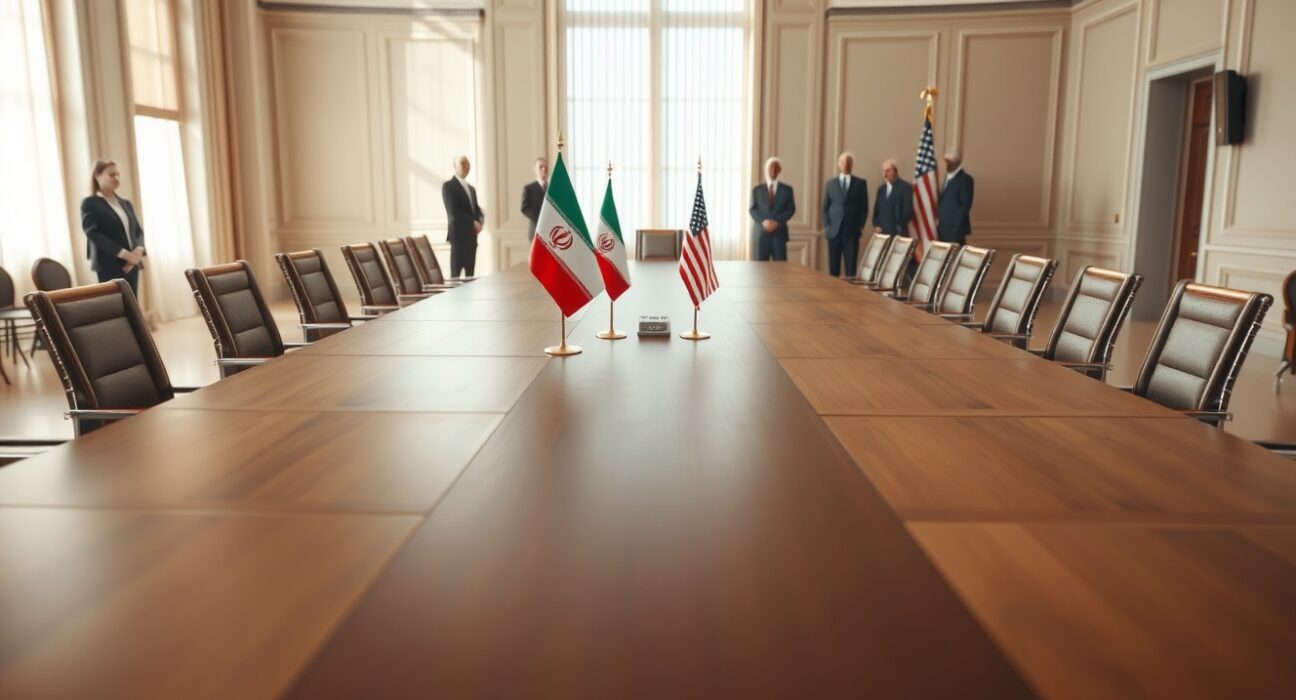
A senior Iranian source has confirmed that mediators involved in back-channel talks between Iran and the United States have proposed a 10-day halt to military airstrikes. The initiative aims to create a window for diplomatic engagement and restore a temporary agreement that has been under increasing strain in recent weeks.
Diplomatic Push Amid Rising Tensions
The proposal, disclosed by the Iranian official who spoke on condition of anonymity, comes as both sides have signaled willingness to de-escalate but remain far apart on key issues. The 10-day cessation would apply to all offensive military operations, including airstrikes and drone attacks, and is intended to build confidence for broader negotiations.
Mediators, believed to include representatives from regional powers and European intermediaries, have been shuttling between Tehran and Washington in an effort to revive the interim understanding that had previously reduced hostilities. The temporary agreement, which was never formally signed but was observed by both parties, has been fraying since early this year.
Context of the Temporary Agreement
The original understanding, reached several months ago, included mutual commitments to refrain from direct military strikes and to allow for humanitarian and economic relief. However, a series of incidents — including alleged violations, retaliatory actions, and shifting political priorities — have eroded the arrangement.
Iran has consistently demanded a full lifting of sanctions and guarantees against further military action, while the United States has insisted on verifiable steps to limit Iran’s nuclear program and regional military activities. The 10-day halt proposal is seen as a compromise that could test both sides’ willingness to return to the negotiating table.
What a 10-Day Halt Would Mean
If accepted, the pause would be the first formal cessation of hostilities in months. It would allow mediators to assess compliance, facilitate humanitarian access, and lay groundwork for a more permanent ceasefire. The proposal is time-limited to reduce political risk for both governments, allowing them to claim a tactical pause rather than a full policy reversal.
Analysts caution that even a short truce carries significant risks. Any violation during the 10-day period could be seen as a deliberate provocation, potentially triggering a sharper escalation. However, the proposal also offers an off-ramp for both sides to de-escalate without losing face.
Broader Implications for Regional Stability
The Iran-US standoff has ripple effects across the Middle East, affecting energy markets, shipping routes, and the security of allied states. A successful pause could reduce the risk of a broader regional conflict, while a failure could embolden hardliners on both sides.
International observers, including the United Nations and the International Atomic Energy Agency, have urged restraint and renewed dialogue. The 10-day proposal, while modest in scope, represents the most concrete diplomatic initiative in recent months.
Conclusion
The reported proposal for a 10-day halt to airstrikes marks a critical juncture in Iran-US relations. While the outcome remains uncertain, the willingness of mediators to advance such a plan suggests that diplomatic channels remain open. The coming days will test whether both parties are prepared to prioritize de-escalation over confrontation.
FAQs
Q1: What is the temporary agreement between Iran and the US?
A1: It is an informal understanding that includes mutual commitments to avoid direct military strikes and allow for humanitarian relief. It has been under strain in recent months due to alleged violations and shifting political priorities.
Q2: Who are the mediators proposing the 10-day halt?
A2: The mediators are believed to include representatives from regional powers and European intermediaries, though their identities have not been officially confirmed. They have been facilitating back-channel talks between Tehran and Washington.
Q3: What happens if the 10-day halt is violated?
A3: Any violation during the pause could be seen as a deliberate provocation and may trigger a sharper escalation. However, the proposal is designed to be time-limited to reduce political risk and allow both sides to test compliance without long-term commitment.
Disclaimer: The information provided is not trading advice, Bitcoinworld.co.in holds no liability for any investments made based on the information provided on this page. We strongly recommend independent research and/or consultation with a qualified professional before making any investment decisions.
