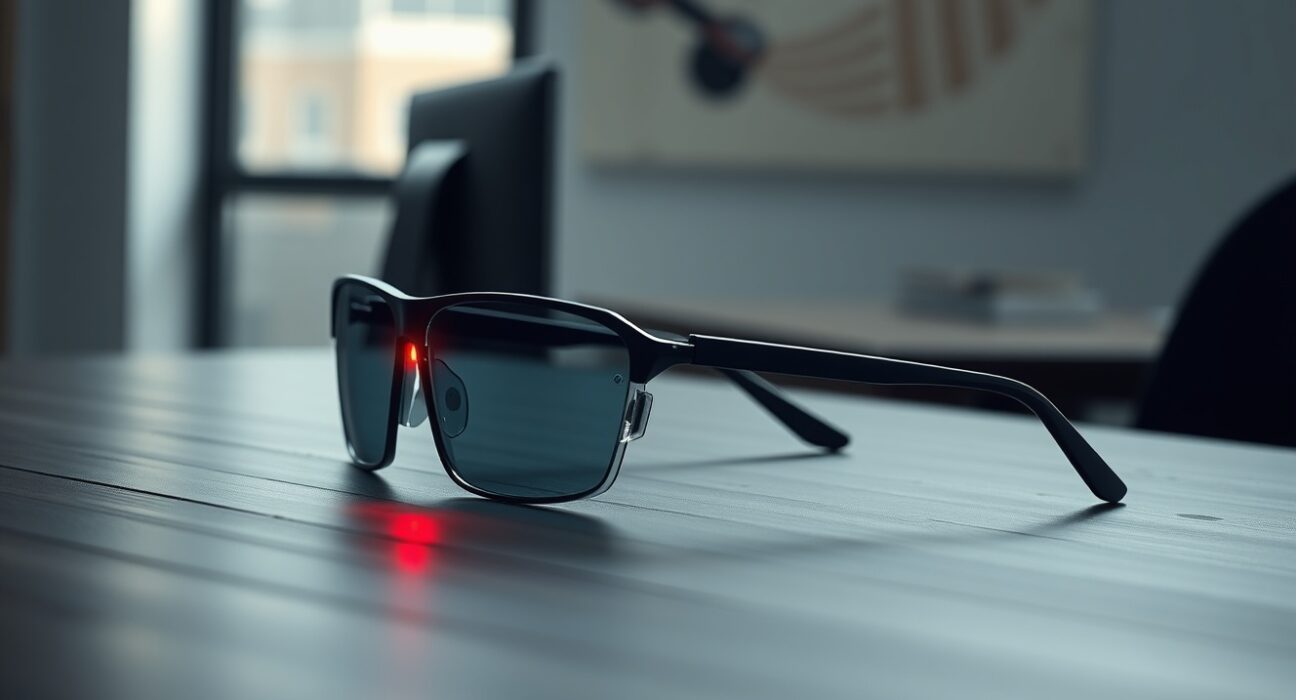
Meta has introduced a new safety feature for its AI glasses: if the LED recording indicator is tampered with, the camera will automatically disable. The move is a direct response to growing concerns that the devices, marketed as fashionable accessories, can be misused for covert surveillance. However, even as Meta touts this safeguard, its broader AI strategy continues to push users toward surrendering more personal data, raising questions about the company’s true commitment to privacy.
What the New Safeguard Does
The update ensures that if the LED light, which signals when the camera is recording, is blocked or physically altered, the camera will stop functioning. Meta’s blog post claims that “no other kind of camera has done this,” positioning the company as an industry leader. However, the company also acknowledges that the measure was necessary because some users had been covering the LED with tape, and others had made “sophisticated efforts to modify or destroy the capture LED.” This admission confirms that a subset of users has been exploiting the glasses for unauthorized recording, often targeting individuals without their consent.
A Contradictory Privacy Record
While Meta highlights this LED safeguard as a privacy win, its actions elsewhere tell a different story. On the same day the announcement was made, Meta also revealed that its AI can now use public Instagram photos to generate AI images, with users required to opt out if they wish to prevent this. Additionally, the company is exploring features that would allow continuous audio recording and periodic photo capture, according to a Financial Times report. Meta’s privacy policy further states that any image shared with Meta AI may be used to train its models, a detail that undermines the company’s promise that “you, and only you” can see your glasses’ footage.
Legal and Ethical Challenges
Meta faces multiple lawsuits and investigations related to its AI glasses. One notable case involves a contract with an outsourced tech firm in Kenya, where workers alleged they were required to view graphic content—including nudity and people using toilets—while training Meta’s AI on footage from the glasses. These incidents are part of a longer history of privacy controversies for Meta, including the Cambridge Analytica scandal, numerous data leaks, and ongoing concerns about child safety. Whistleblowers have documented a corporate culture that prioritizes growth over user protection.
Why This Matters to Consumers
For everyday users, the LED safeguard is a necessary but insufficient step. The glasses remain a potential tool for privacy invasion, and Meta’s simultaneous push for more data collection—through AI training on personal images, poor privacy controls in its AI app, and plans for targeted ads based on AI chat data—suggests that the company’s business model still relies on extensive surveillance. Apple’s refusal to partner with Meta over privacy concerns and Meta’s own internal practices, such as recording employee keystrokes to train AI, further erode trust.
Conclusion
Meta’s LED safeguard addresses a specific vulnerability, but it does little to resolve the fundamental tension between the company’s privacy promises and its data-hungry AI ambitions. Consumers should remain cautious about how their images and data are used, especially as Meta continues to expand its AI ecosystem. Until the company demonstrates a consistent commitment to privacy across all its products, trust will remain elusive.
FAQs
Q1: How does the new LED safeguard work on Meta AI glasses?
The camera automatically disables if the LED recording indicator is blocked, covered, or physically tampered with, preventing covert recording.
Q2: Can Meta still use my photos to train its AI?
Yes, if you share images with Meta AI or have public Instagram photos, Meta may use them for AI training unless you manually opt out in your privacy settings.
Q3: What should I do if I’m concerned about privacy with Meta AI glasses?
Review your privacy settings regularly, opt out of AI training where possible, and be mindful of where and how you use the glasses. Avoid recording in sensitive situations without explicit consent.
Disclaimer: The information provided is not trading advice, Bitcoinworld.co.in holds no liability for any investments made based on the information provided on this page. We strongly recommend independent research and/or consultation with a qualified professional before making any investment decisions.