
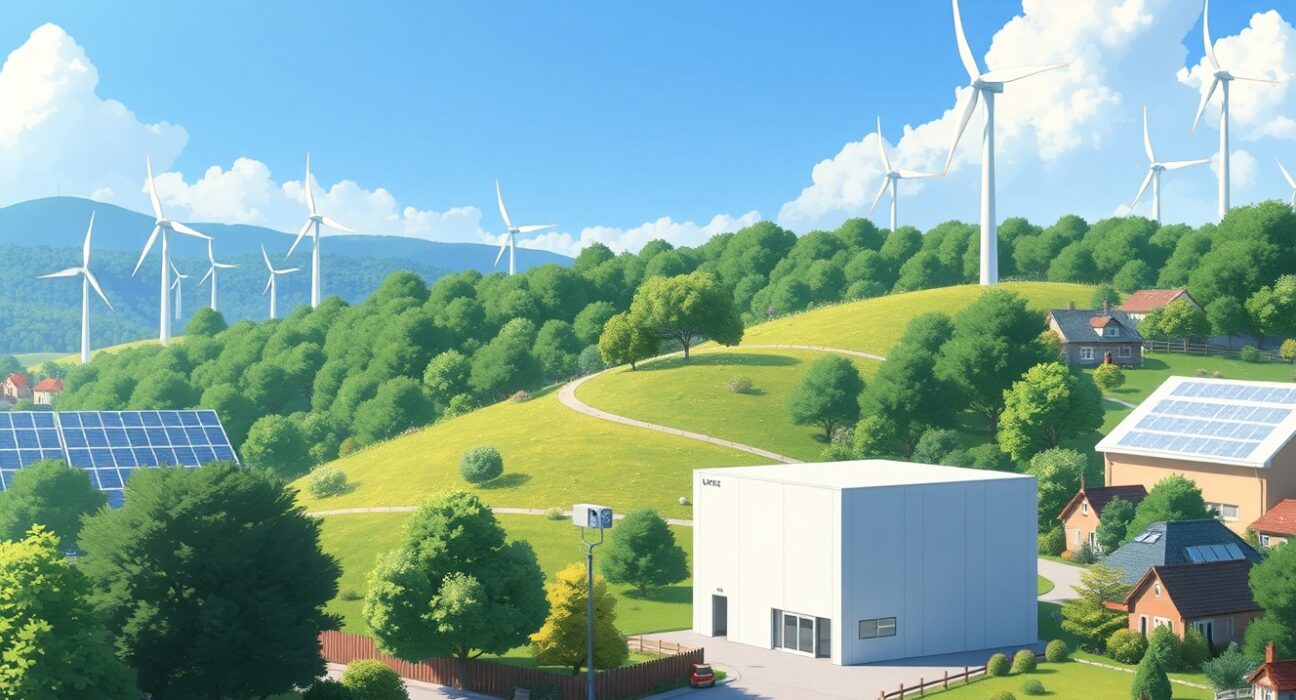
In a groundbreaking announcement on Tuesday, Microsoft unveiled a comprehensive ‘community-first’ strategy for its massive AI infrastructure expansion, directly addressing growing public concerns about data centers driving up electricity bills and straining local resources. The tech giant’s commitment comes amid unprecedented backlash against data center construction across 24 states, where 142 activist groups now organize against such developments. Microsoft’s pledge represents a significant shift in how major technology companies approach community relations during the AI boom, particularly as the company plans billions in new data center investments to support its partnership with OpenAI and compete with Meta’s recently announced infrastructure program.
Microsoft Data Centers Adopt ‘Good Neighbor’ Framework
Microsoft’s new approach centers on what the company calls being a ‘good neighbor’ in communities where it builds, owns, and operates data centers. The framework includes three primary commitments: preventing electricity cost transfers to residential customers, creating sustainable local jobs, and minimizing environmental impacts. This announcement follows Microsoft’s October 2023 abandonment of a planned data center in Caledonia, Wisconsin, after overwhelming negative community feedback. Similarly, in Michigan, local protests have emerged against Microsoft’s proposed development in a central township, highlighting the growing tension between technological advancement and community preservation.
The company specifically addresses electricity pricing concerns through direct collaboration with utility providers. Microsoft states it will ‘pay its own way’ by ensuring the rates it negotiates cover its full share of the burden on local grids. This approach involves working closely with utility companies that set electricity prices and state commissions that approve these rates. The company’s stated goal is straightforward: to ensure that the electricity cost of serving its data centers does not pass on to residential customers. This commitment comes as data center electricity consumption has become a national political issue, with President Trump recently promising on social media that Microsoft would make ‘major changes’ to prevent Americans from ‘picking up the tab’ for corporate power consumption.
AI Infrastructure Expansion Faces Mounting Opposition
The technology industry’s rapid AI infrastructure buildout has generated intense public scrutiny over the past twelve months. Data Center Watch, an organization tracking anti-data center activism, documents widespread opposition across multiple states. Communities express concerns about several key issues:
- Electricity Costs: Fears that industrial-scale power consumption will drive up residential rates
- Water Usage: Concerns about data centers straining local water supplies for cooling systems
- Environmental Impact: Questions about carbon emissions and ecological disruption
- Job Creation: Skepticism about promised employment benefits materializing
- Infrastructure Strain: Worries about overwhelming local power grids and utilities
Microsoft’s announcement comes just one day after Meta CEO Mark Zuckerberg revealed his company’s own AI infrastructure program, indicating an industry-wide recognition of the need for better community engagement. The timing is particularly significant given recent op-eds in Ohio newspapers, where Microsoft is developing several data center campuses, that have excoriated the company and its peers for contributing to climate change.
Comparative Analysis: Tech Industry Approaches
| Company | Infrastructure Approach | Community Commitments | Environmental Focus |
|---|---|---|---|
| Microsoft | Community-first framework | No residential electricity cost transfers, local job creation | Water minimization, grid responsibility |
| Meta | AI infrastructure program announced | Details pending | Renewable energy matching |
| Carbon-neutral operations | Community grants, STEM education | 24/7 carbon-free energy by 2030 | |
| Amazon | Renewable energy investments | Workforce development programs | Water stewardship commitment |
Environmental Stewardship and Water Conservation Commitments
Microsoft has specifically promised to minimize the amount of water its data centers require for operation, addressing one of the most contentious environmental issues surrounding these facilities. Data centers traditionally use substantial water for cooling systems, creating potential strain on local water supplies, particularly in drought-prone regions. The company’s commitment comes as water usage by data centers has become a focal point for environmental activists and concerned citizens alike.
The company’s environmental strategy extends beyond water conservation to include comprehensive energy management. Microsoft states it will implement advanced cooling technologies, explore alternative water sources where appropriate, and prioritize locations with sustainable water management infrastructure. These measures aim to reduce the ecological footprint of data center operations while maintaining the computational power required for AI development and deployment. The approach reflects growing industry recognition that sustainable practices are no longer optional but essential for maintaining social license to operate.
Economic Impact and Job Creation Promises
Microsoft’s announcement includes specific commitments to job creation in communities hosting its data centers, addressing lingering questions about the employment benefits of such projects. The company promises both short-term construction jobs and long-term operational positions, though specific numbers remain undisclosed. This job creation pledge responds to community concerns that data center projects often bring limited permanent employment opportunities despite their substantial physical footprint and resource consumption.
The economic impact extends beyond direct employment to include potential supply chain benefits and local business development. Microsoft indicates it will prioritize local hiring and contractor selection where possible, though the company acknowledges that specialized technical roles may require broader recruitment. This balanced approach attempts to address community desires for economic benefit while maintaining the technical standards necessary for reliable data center operation. The success of these employment promises will likely influence public perception of Microsoft’s overall ‘good neighbor’ commitment.
Political Context and Regulatory Landscape
The White House has identified AI infrastructure development as a major policy priority, creating additional pressure on companies like Microsoft to address community concerns proactively. President Trump’s recent social media comments about preventing electricity bill increases reflect the political sensitivity surrounding data center expansion. This political attention creates both challenges and opportunities for technology companies navigating complex regulatory environments across multiple states and municipalities.
Microsoft’s approach involves direct engagement with utility regulators and state commissions, recognizing that electricity pricing approval processes vary significantly by jurisdiction. The company’s promise to ‘work closely’ with these entities suggests a more collaborative regulatory strategy than traditional corporate approaches. This engagement may help Microsoft navigate the patchwork of state regulations governing utility rates, environmental permits, and infrastructure development. The company’s experience in Wisconsin, where community opposition forced project abandonment, likely informs this more nuanced approach to regulatory compliance and community relations.
Conclusion
Microsoft’s ‘community-first’ framework for data center development represents a significant evolution in how technology companies approach AI infrastructure expansion. By directly addressing electricity cost concerns, environmental impacts, and job creation promises, Microsoft attempts to balance technological advancement with community preservation. The success of this approach will depend on transparent implementation, measurable outcomes, and sustained engagement with local stakeholders. As AI infrastructure becomes increasingly essential to economic competitiveness, Microsoft’s experiment in community relations may establish new industry standards for responsible technological development. The company’s ability to prevent electricity bill increases while expanding its data center footprint will serve as a crucial test case for the entire technology sector’s social license to operate in the AI era.
FAQs
Q1: How will Microsoft prevent data centers from increasing local electricity bills?
Microsoft commits to working directly with utility companies and state regulators to ensure the rates it pays cover its full share of grid burden, preventing cost transfers to residential customers through negotiated industrial rates and infrastructure investments.
Q2: What specific environmental protections does Microsoft promise for new data centers?
The company pledges to minimize water usage through advanced cooling technologies, explore alternative water sources, implement energy-efficient designs, and prioritize locations with sustainable infrastructure to reduce ecological impact.
Q3: How many jobs will Microsoft’s data center expansion create?
While Microsoft promises both construction and permanent operational jobs in host communities, specific numbers remain undisclosed. The company emphasizes local hiring where possible but acknowledges some technical roles may require broader recruitment.
Q4: Why has data center construction faced such strong community opposition recently?
Communities express concerns about electricity cost increases, water resource strain, environmental impacts, limited job benefits, and infrastructure overload, with 142 activist groups now organizing across 24 states against such developments.
Q5: How does Microsoft’s approach differ from other tech companies’ data center strategies?
Microsoft’s ‘community-first’ framework uniquely emphasizes preventing residential electricity cost transfers, while other companies focus more on renewable energy matching, carbon neutrality, or general community benefit programs without specific rate protection guarantees.
Disclaimer: The information provided is not trading advice, Bitcoinworld.co.in holds no liability for any investments made based on the information provided on this page. We strongly recommend independent research and/or consultation with a qualified professional before making any investment decisions.